Tracing then coloring
How Trace Then Color works, how to teach tracing, and how tracing leads to drawing. 20 posts.
 TracingPencil, Marker or Crayon? The Best Tools for TracingWhich tool is best for tracing dotted lines: pencil, thin marker, crayon or colored pencil? Pros, cons and picks by age for tracing and coloring books.
 TracingHow a Cartoonist Designs Characters for Tracing and ColoringA behind-the-scenes look at how cartoon characters are designed for kids to trace and color: simple shapes, bold lines, big spaces and funny expressions.
 TracingYour Child's First Traced Character: What to ExpectWhat to expect the first time your child traces and colors a character: how it may look, how long it takes, how to help and how to celebrate.
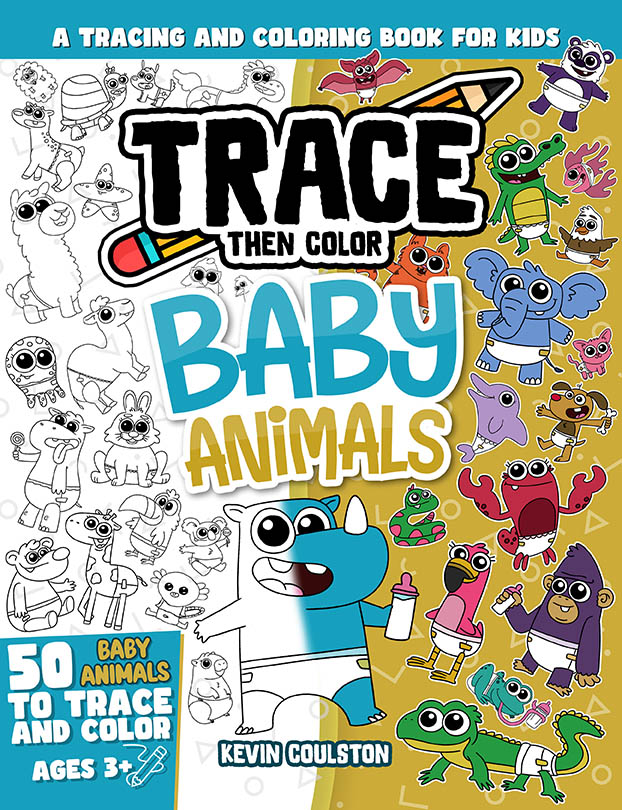 TracingHow to Teach a Child to Trace Dotted LinesA step-by-step guide to teaching young children to trace dotted lines: posture, grip, speed, direction, and games that keep tracing fun.
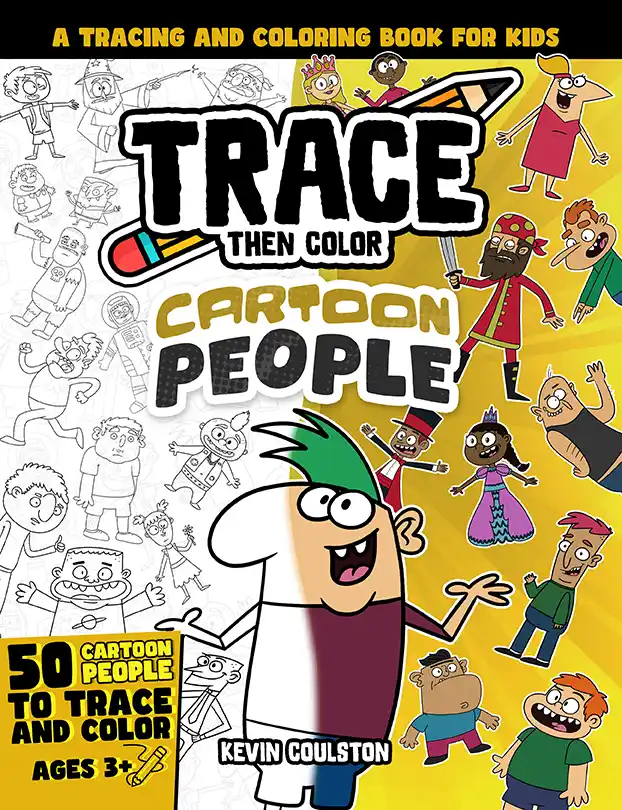 TracingIs Tracing Cheating? What Artists Actually DoIs tracing cheating in art? Why tracing is a legitimate learning tool, how professional artists use it, and when tracing becomes a problem.
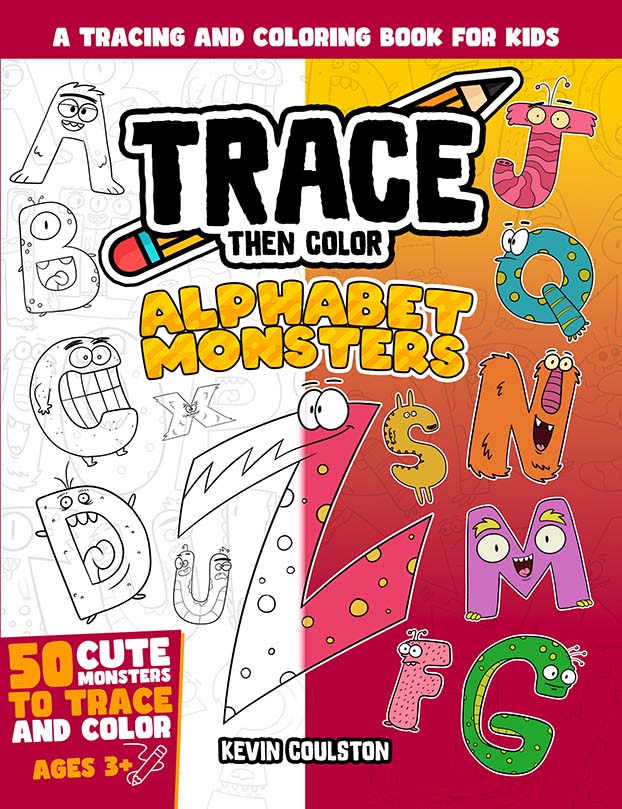 TracingA 4-Week Tracing and Coloring Plan Before KindergartenA simple, playful four-week tracing and coloring plan to build pencil control, focus and confidence before kindergarten, with daily ten-minute activities.
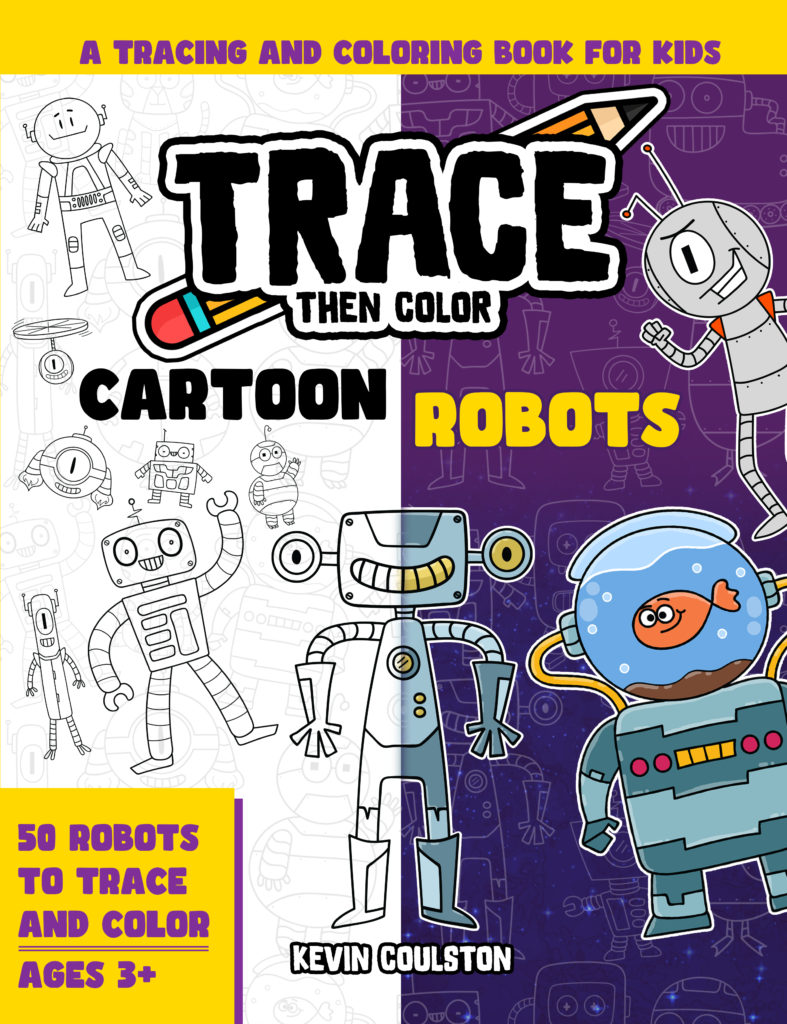 TracingStraight, Curvy and Zigzag: Line Types in TracingThe different types of lines kids practice when tracing (straight, curved, zigzag, spiral and dotted) and how each builds skills for drawing and writing.
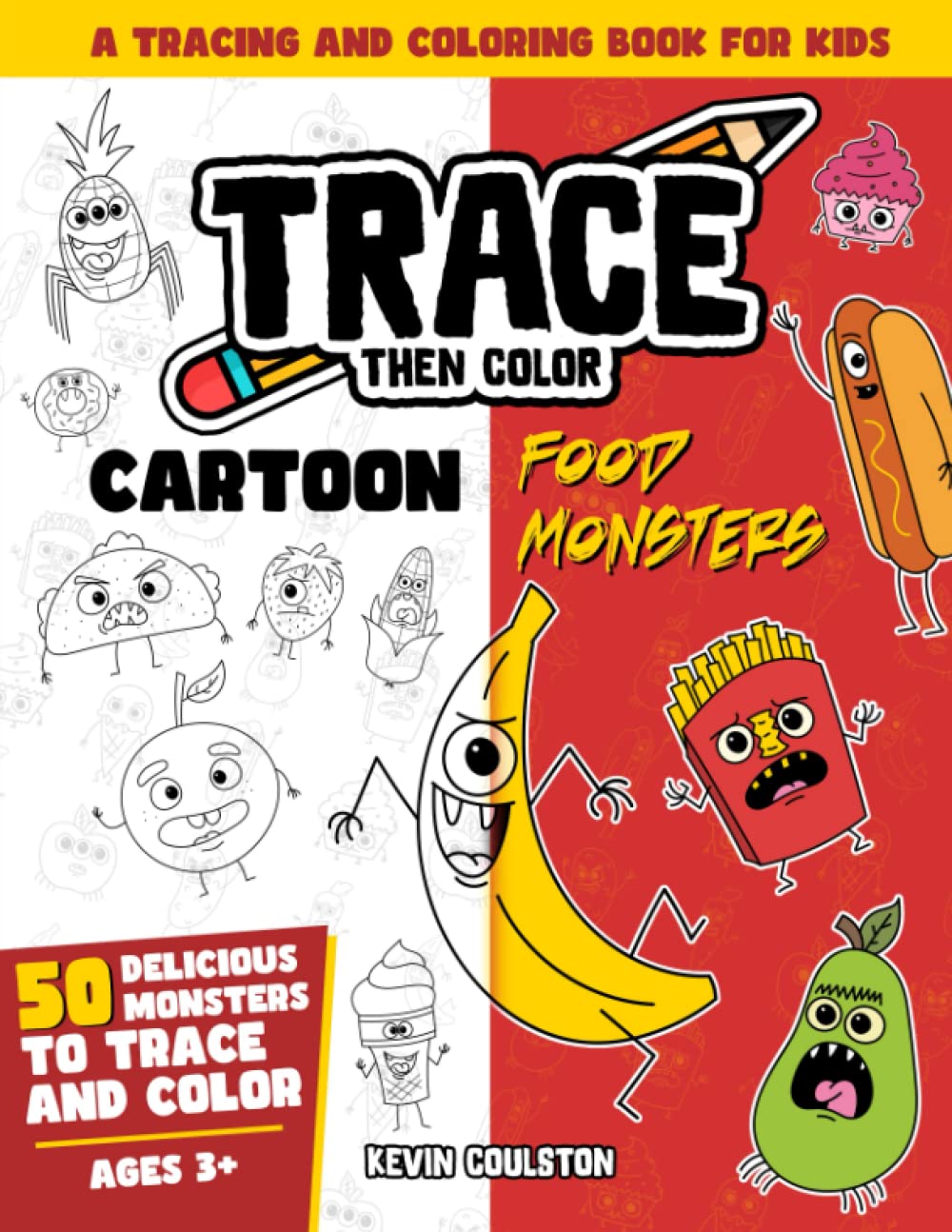 TracingOne Page a Day: A Simple Trace Then Color RoutineHow to build a one-page-a-day tracing and coloring routine for kids: when to do it, how long, how to track progress and why small daily habits work.
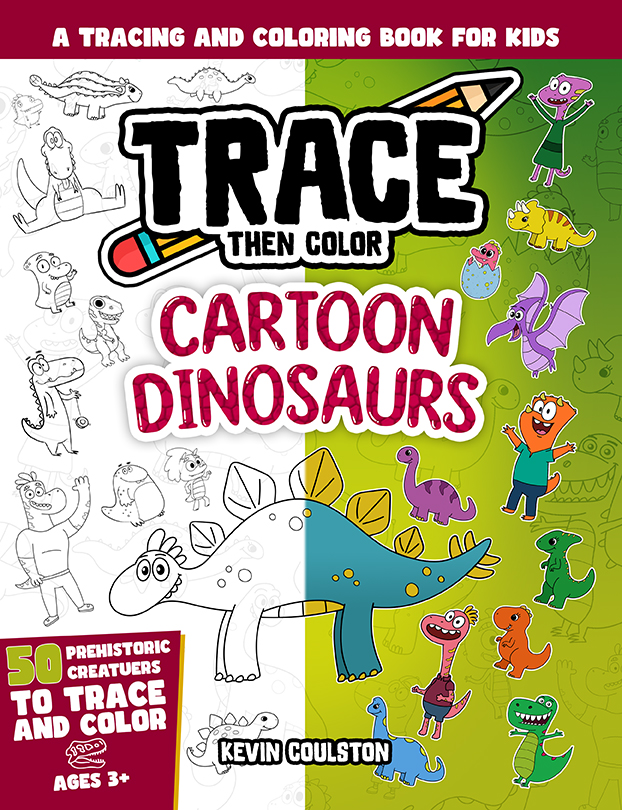 TracingSlow Lines: Teaching Kids to Trace CarefullyHow to help kids slow down when tracing and coloring: why speed makes lines wobble, playful slow-motion games and tips that build careful control.
- TracingTrace It, Then Add Your Own DetailsHow kids can personalize traced characters by adding hats, backgrounds, speech bubbles and accessories, the first step toward drawing their own art.
- TracingMatching Trace Then Color Books to Each SiblingHow to choose a Trace Then Color book for each child in the family by age and personality, so siblings can color side by side without squabbling.
- TracingTracing for Kids Who Say "I Can't Draw"How tracing helps children who believe they can't draw build confidence, why that belief starts, and gentle steps from tracing to drawing on their own.
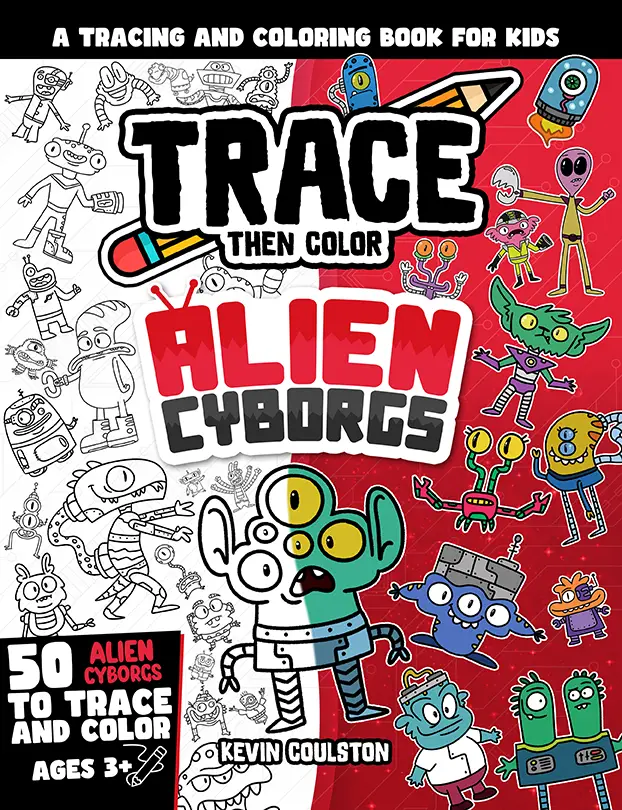 TracingIs Tracing Only for Little Kids? Tracing for Ages 7 to 12Why tracing isn't just for preschoolers: how older kids use tracing for detailed characters, comic art, design and building drawing skill.
- TracingTurn Tracing Into a Game: 8 Fun TwistsEight fun tracing games for kids that make tracing practice exciting, from tracing races and secret colors to story paths and blindfold giggles.
- TracingTracing Pictures vs Tracing Letters: Why Both HelpThe difference between tracing pictures and tracing letters, what each teaches, when to start letter tracing and how to combine both for preschoolers.
- TracingFrom Tracing to Drawing: The Natural Next StepsHow kids move from tracing to drawing on their own, the stages in between, and simple activities that build confidence for freehand drawing.
- TracingWhat Is a Trace Then Color Book? A Parent's GuideWhat a Trace Then Color book is, how it works page by page, who it's for, and how tracing first and coloring second helps kids ages 3 and up.
- TracingWhy Trace First and Color Second? The Two-Step AdvantageWhy tracing an outline before coloring it helps kids build pencil control, focus and confidence, and how the two steps reinforce each other.
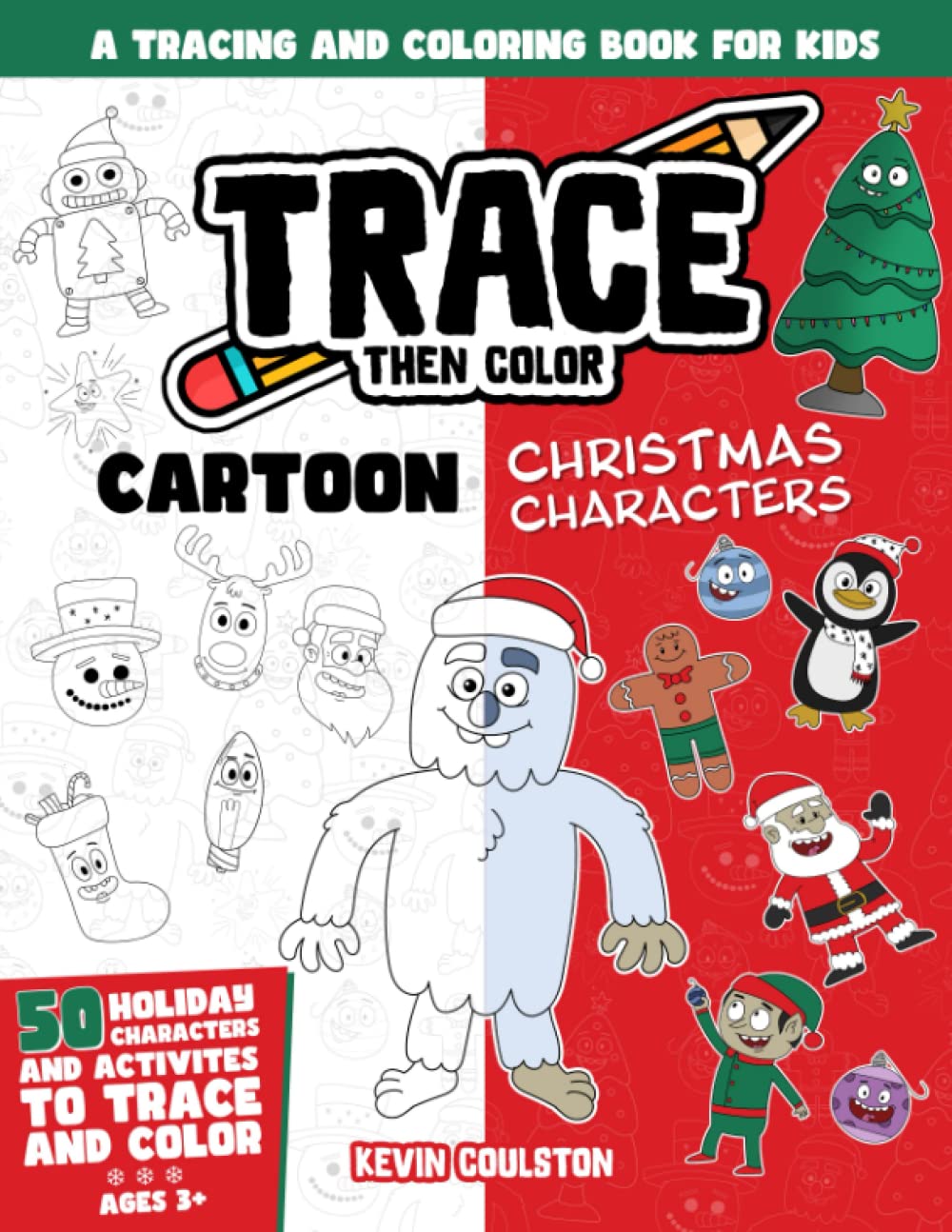 TracingWindow Tracing and Light Boxes: Fun Tracing ExtrasHow to do window tracing and light box tracing with kids: turn a colored page into new art, make copies of favorite characters and explore layering.
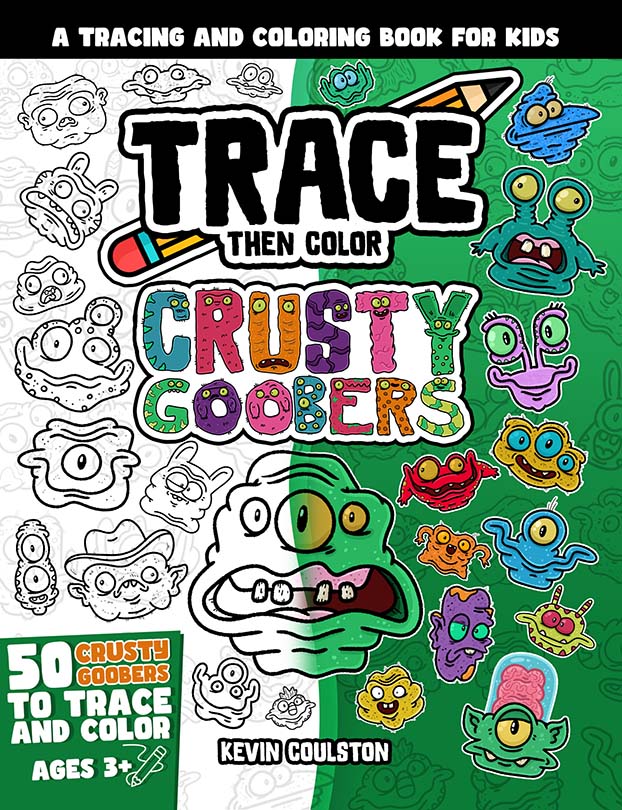 TracingWobbly Lines Are Fine: When Tracing Goes Off the DotsWhat to do when a child's tracing goes off the dots: why wobbly lines are normal, how to help without correcting, and how to turn slips into features.