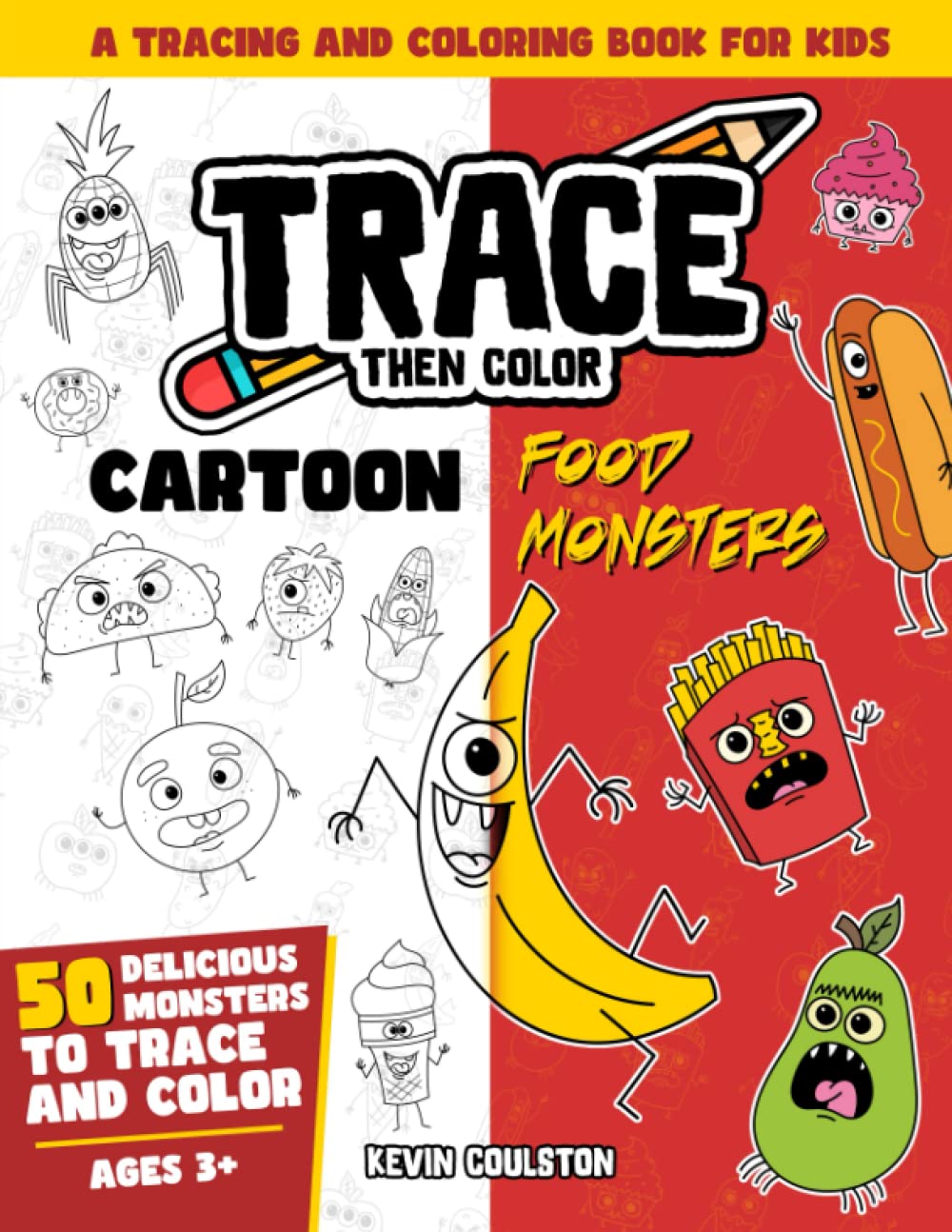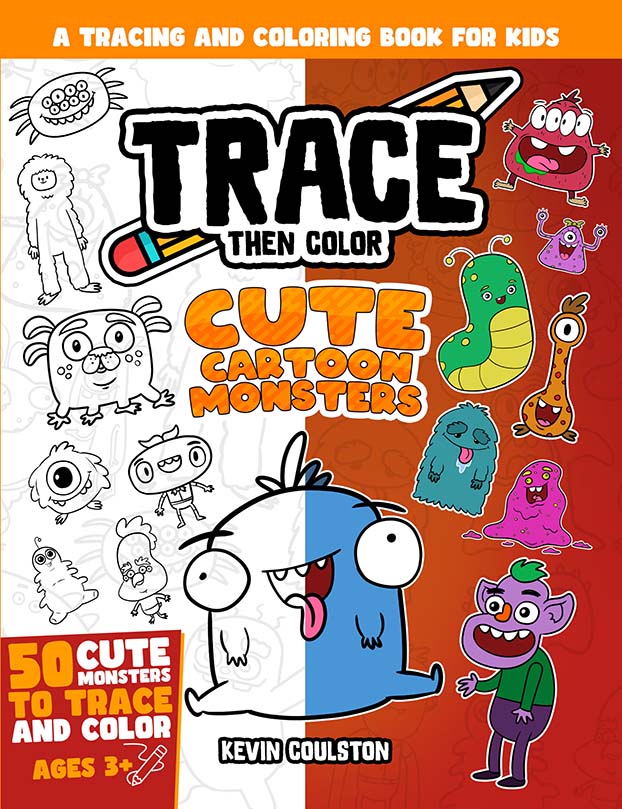
"That’s cheating, you traced it!" Kids sometimes hear this from classmates, and some adults feel the same way. But is tracing really cheating? For learning and personal enjoyment, the answer is no.
A long history of tracing
Artists have used tracing and copying tools for centuries. Renaissance artists used grids and transfer techniques to scale up drawings. Some artists used devices like the camera obscura to project images onto paper. Art students have long copied the work of masters to learn.
Tracing is one tool among many for learning how pictures work.
How professionals use tracing today
- Illustrators trace over rough sketches to make clean final lines.
- Animators trace frames to keep characters consistent.
- Comic artists "ink" over their own pencil drawings, which is a form of tracing.
- Designers trace shapes to create logos and patterns.
- Architects use tracing paper to layer and revise plans.
Why tracing helps kids learn
- It builds hand control.
- It shows how drawings are constructed.
- It builds confidence, especially in kids who think they can’t draw. See tracing for kids who say I can’t draw.
- It lets kids study details they would otherwise miss.
When tracing is a problem
Tracing becomes a problem when:
- Someone presents traced art as their own original drawing, for example in a contest or for a grade.
- Someone traces another artist’s work and sells it or shares it as their own.
Honesty is the key. "I traced this and colored it" is perfectly fine. "I drew this from scratch" when it was traced is not.
In Trace Then Color books
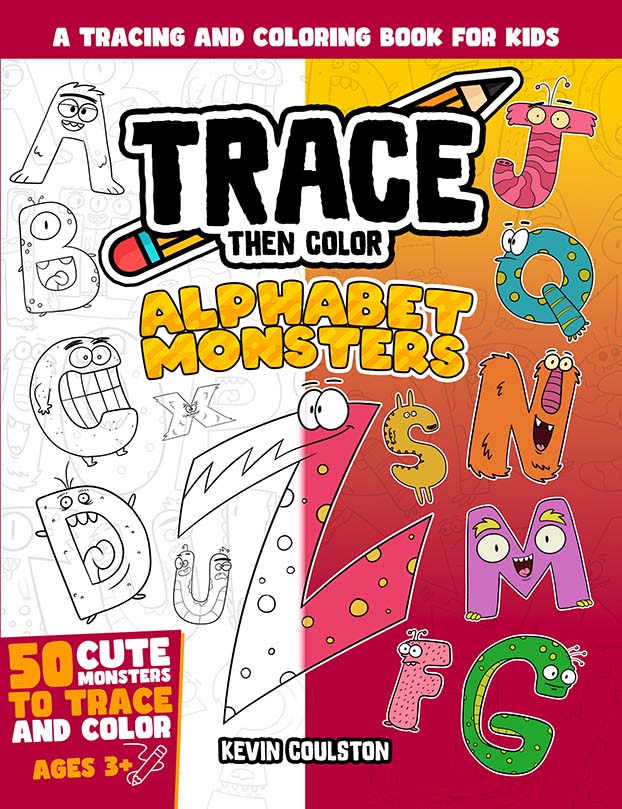
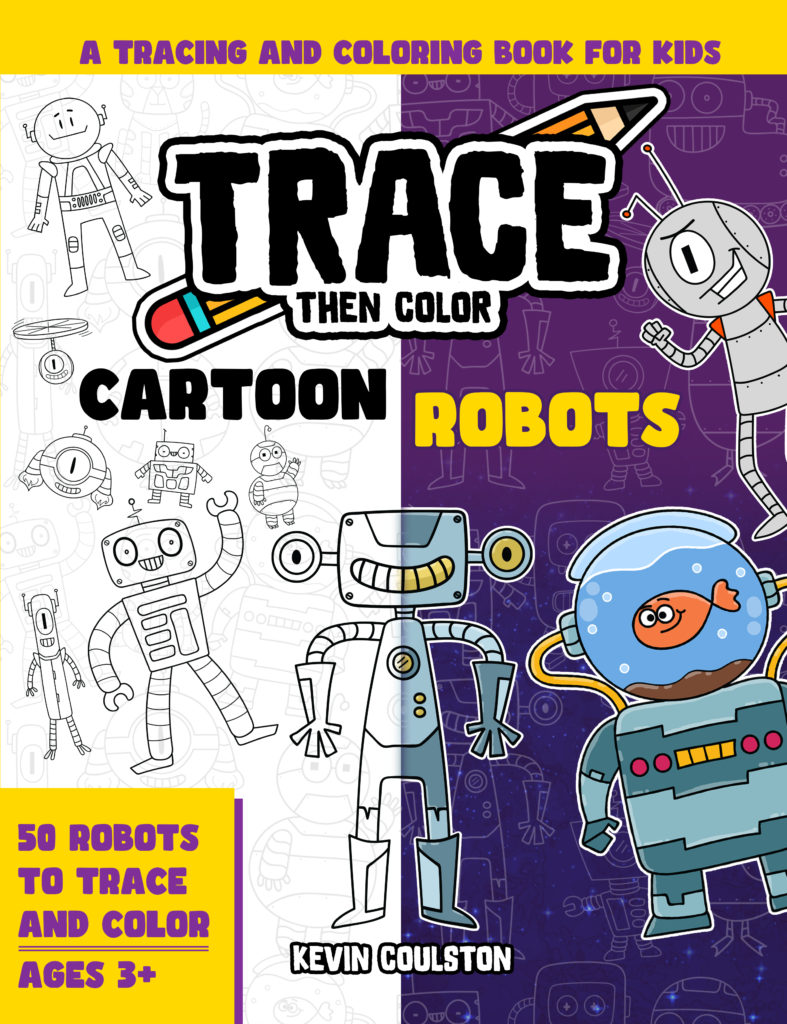
Trace Then Color books are designed to be traced. That is the whole point. The child traces the character, colors it and makes it their own. It is honest, skill-building and fun. Kids can proudly say, "I traced and colored this." See what is Trace Then Color.
Balancing tracing and drawing
Kids benefit from both:
- Tracing for control, confidence and learning how pictures are built.
- Free drawing for imagination and invention.
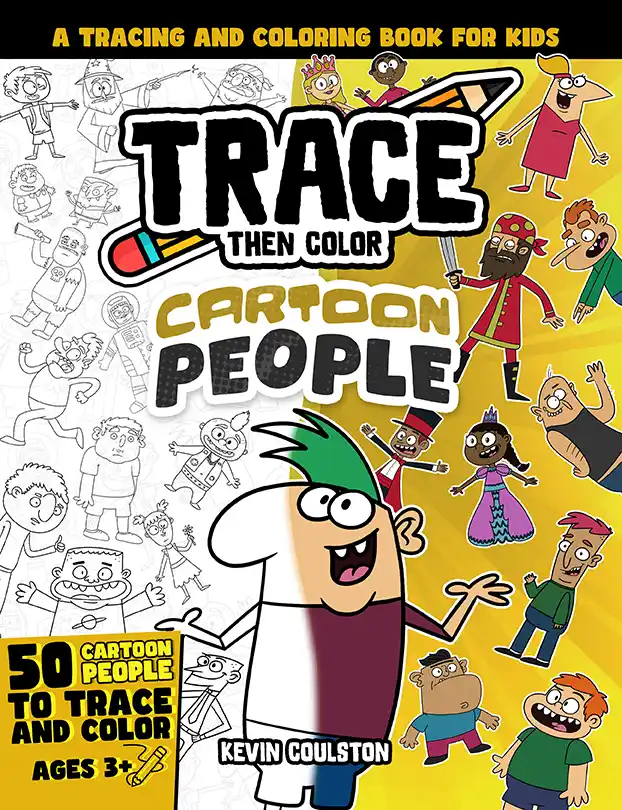
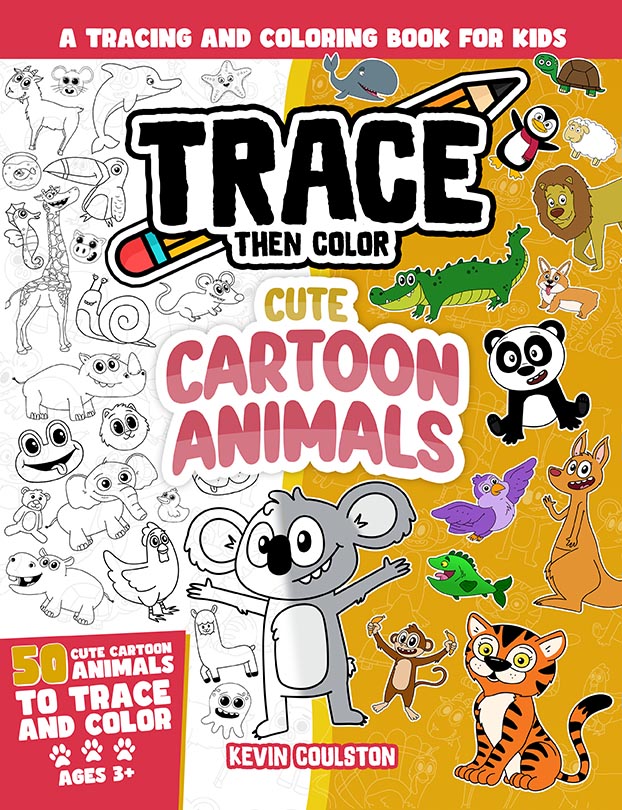
Many kids trace a character, then try drawing it freehand. That is a great learning cycle. Simple, round characters like those in Trace Then Color: Cute Cartoon Animals are easy to try freehand after tracing. People are harder, which is why many kids enjoy tracing them first: Trace Then Color: Cartoon People.
What to tell your child
- "Lots of real artists trace."
- "Tracing helps your hand learn."
- "It’s fine as long as you’re honest about it."
- "Want to try drawing it on your own next?"
Questions parents ask
Will tracing stop my child from learning to draw?
No evidence suggests that. Many kids find tracing makes drawing easier and more confident.
Should I let my child enter traced art in a contest?
Check the rules. Most art contests require original work.
Is tracing from photos OK?
For personal practice, yes. Many artists trace photos to study poses and proportions.
About Kevin Coulston
Kevin Coulston is a cartoonist and member of the National Cartoonists Society who has written and illustrated more than 100 drawing, tracing and coloring books for kids, including the Trace Then Color series. Meet Kevin or browse all his books on FirstArtBooks.com.