"I can’t draw." It is one of the saddest things a child can say. Very young children draw freely, but somewhere around ages 5 to 8, many start comparing their drawings to others and decide they are "bad at art." Some stop drawing altogether.
Tracing can be a gentle way back.
Why kids decide they can’t draw
- They compare their work to older siblings, friends or illustrations.
- Their drawings do not match the picture in their head.
- Someone laughed at or corrected a drawing.
- They believe drawing is a talent you either have or do not.
That last belief is common and untrue. Drawing is a skill. Like reading or riding a bike, it improves with practice.
How tracing helps
Instant success
Tracing produces a recognizable, appealing picture right away. That success feels good, especially after frustration.
"I made this"
When a child traces a character, they make every line. The finished page feels like their own drawing. Many kids proudly say, "Look what I drew!"
Learning how drawings are built
Tracing shows kids how a character is put together: a circle head, oval body, triangle ears. They start to see that complex pictures are made of simple shapes. See finding shapes in cartoon characters.
Low pressure
No blank page, no comparison, no wrong answers. Just follow the dots.
Good books for reluctant artists
Cartoon characters are ideal because they do not need to look realistic.
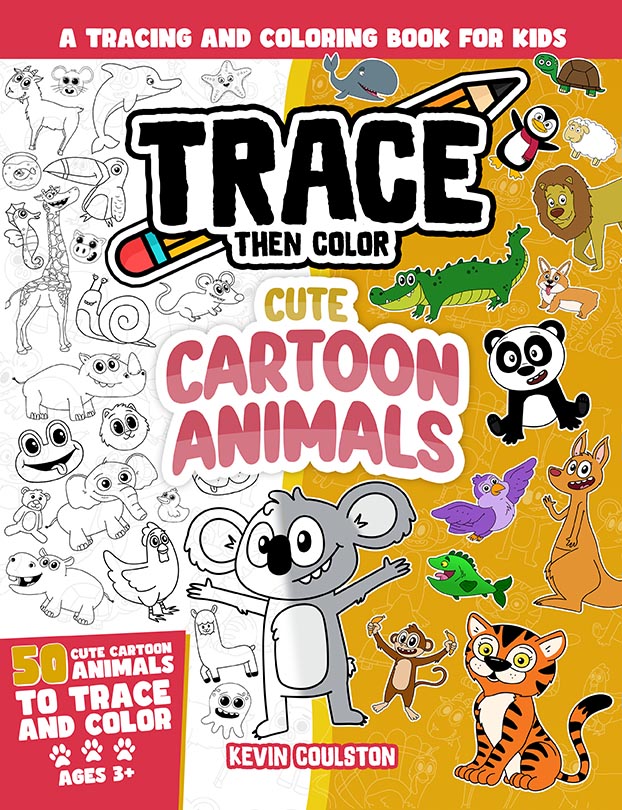
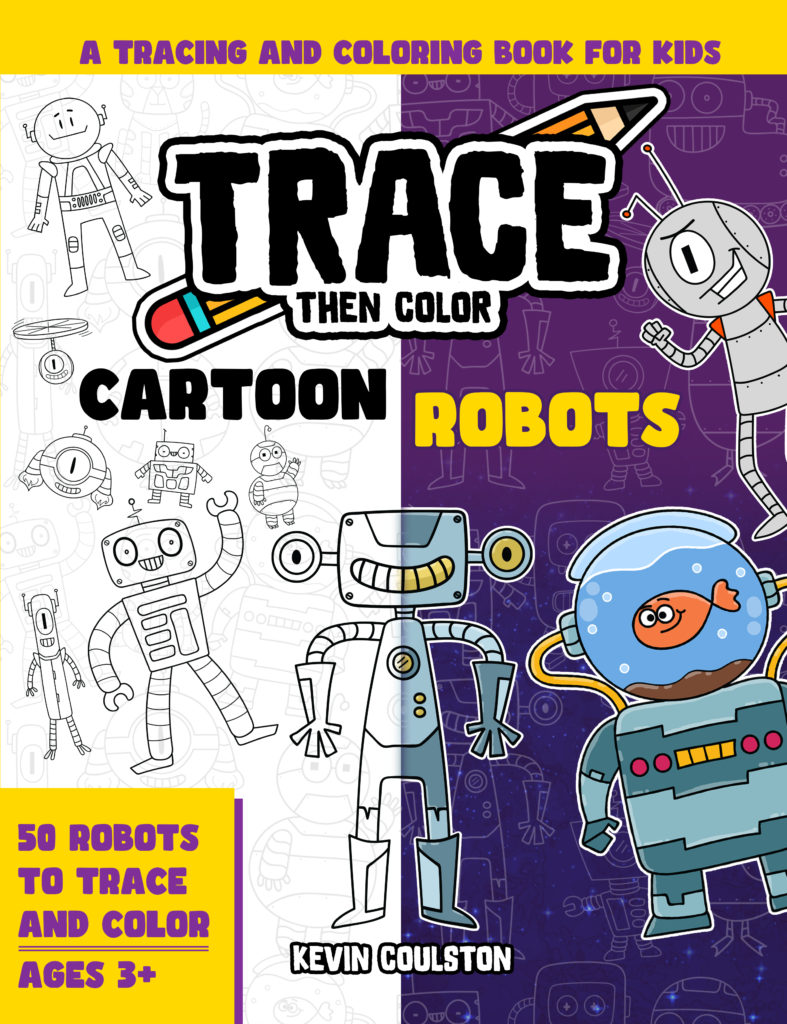
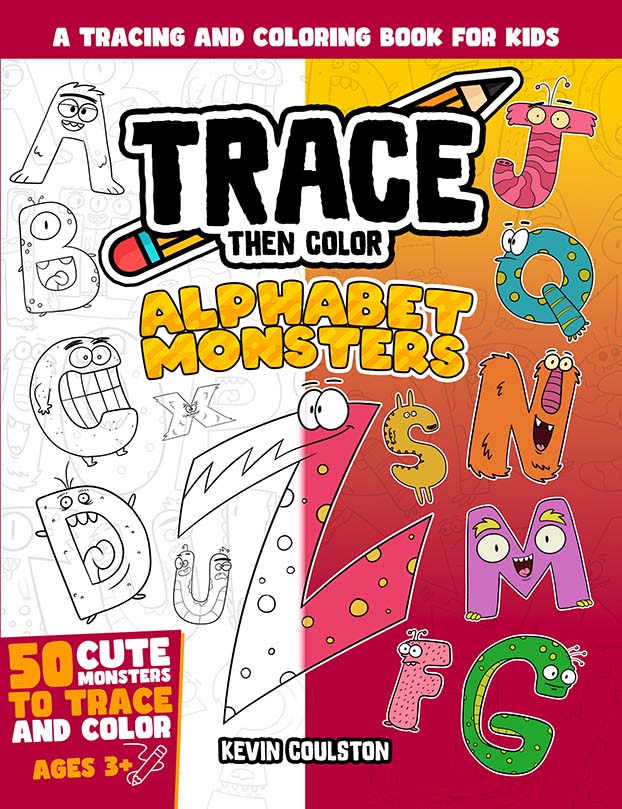
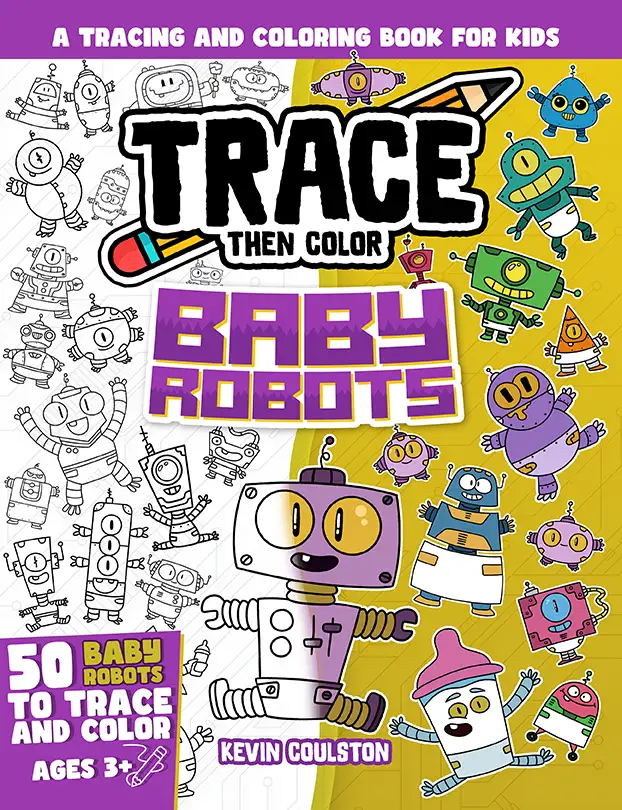
- Trace Then Color: Cute Cartoon Animals: simple, round shapes that look great every time.
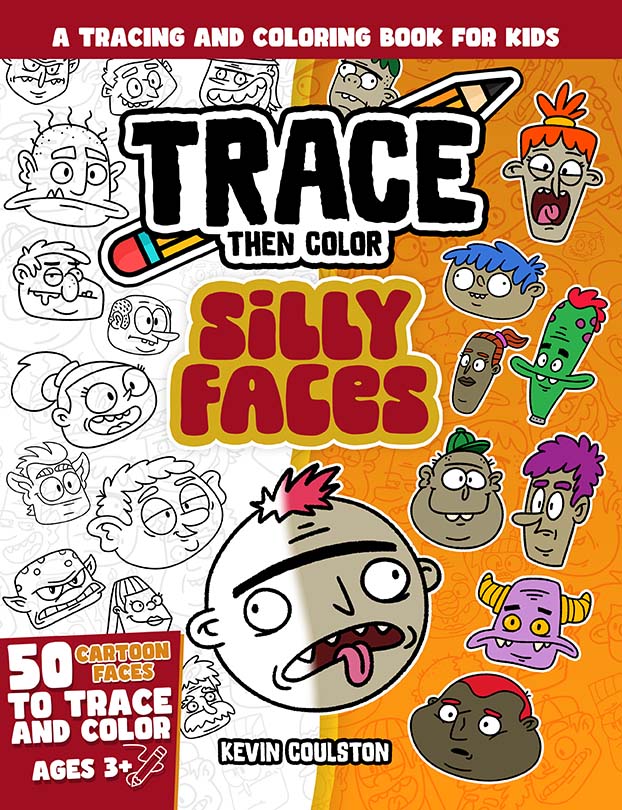
- Trace Then Color: Silly Faces: funny faces where wonky is the point.
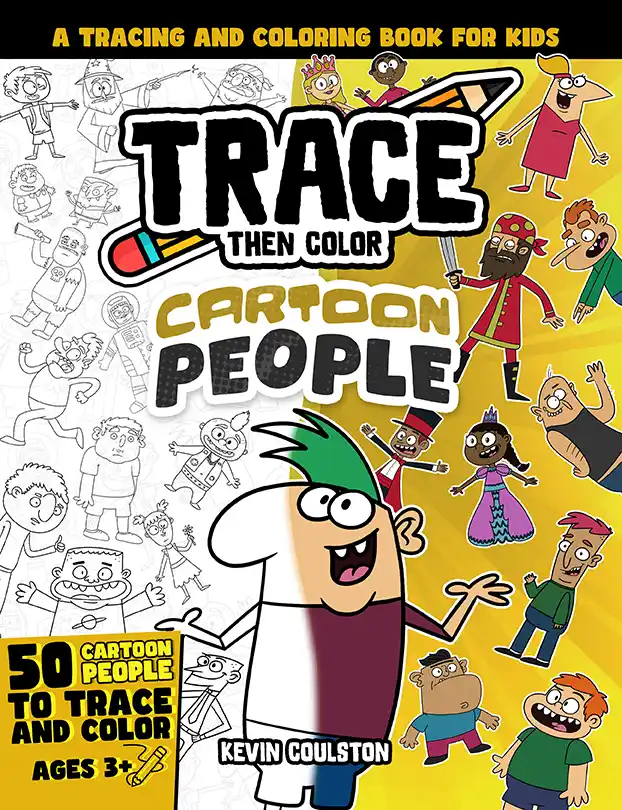
- Trace Then Color: Cartoon People: kids who struggle to draw people can trace them and see how they are built.
From tracing back to drawing
Once confidence returns, try these steps:
- Trace and add. Add a hat or background to a traced character.
- Copy beside. Draw the same character next to the traced one.
- Draw from memory. Try it without looking.
- Invent. Change it into something new.
See from tracing to drawing and is tracing cheating?.
What adults can say
- "Drawing is something you get better at by practicing."
- "Every artist started with wobbly lines."
- "I love the colors you chose."
- "Tell me about your character."
Avoid "You’re so talented," which suggests skill is fixed. Focus on effort and choices.
Questions parents ask
At what age do kids start saying "I can’t draw"?
It often appears around ages 5 to 9, when kids start comparing their work to others.
Should I tell my child their drawing is good when it’s not?
Be honest and specific instead. Point out something real: a great color choice, a funny face, a careful line.
Will tracing make my child dependent on it?
Most kids naturally move on to drawing when they feel ready. Tracing is a stepping stone, not a crutch.
About Kevin Coulston
Kevin Coulston is a cartoonist and member of the National Cartoonists Society who has written and illustrated more than 100 drawing, tracing and coloring books for kids, including the Trace Then Color series. Meet Kevin or browse all his books on FirstArtBooks.com.