Coloring sometimes gets a bad reputation in education circles as "busywork." Used thoughtfully, though, coloring is one of the most versatile tools a teacher has. It supports skills, calm, inclusion and learning, often all at once.
What coloring offers students
Fine motor development
Young students need lots of practice with grip and control before handwriting comes easily. Coloring and tracing build those skills in a way kids enjoy. See how coloring builds fine motor skills.
Calm
Transitions, after recess and before tests can be hectic. A short coloring activity settles a room. Research by Carsley and Heath found that mindful coloring reduced test anxiety in students. See coloring before a test.
Focus
Coloring builds sustained attention in a low-pressure way.
Inclusion
Every student can color, including English learners and students with different abilities. See coloring for English learners.
Connections to learning
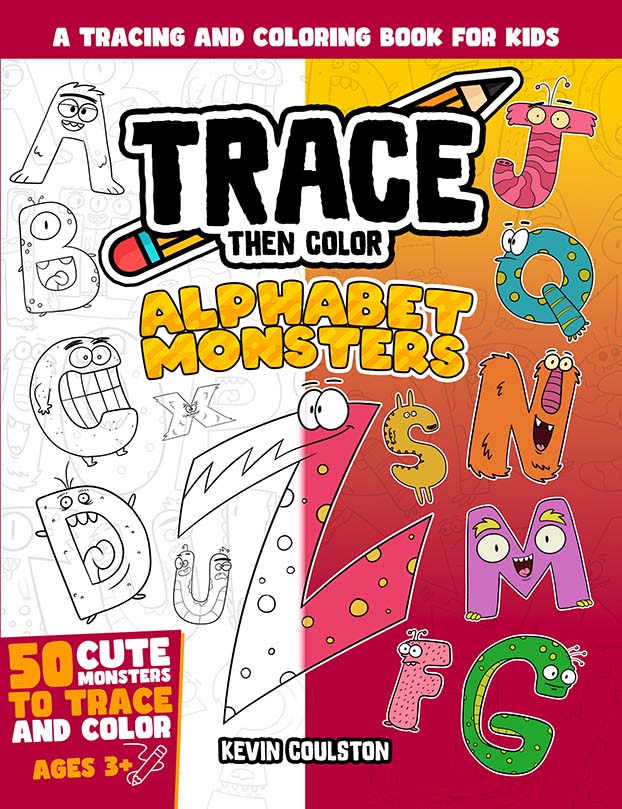
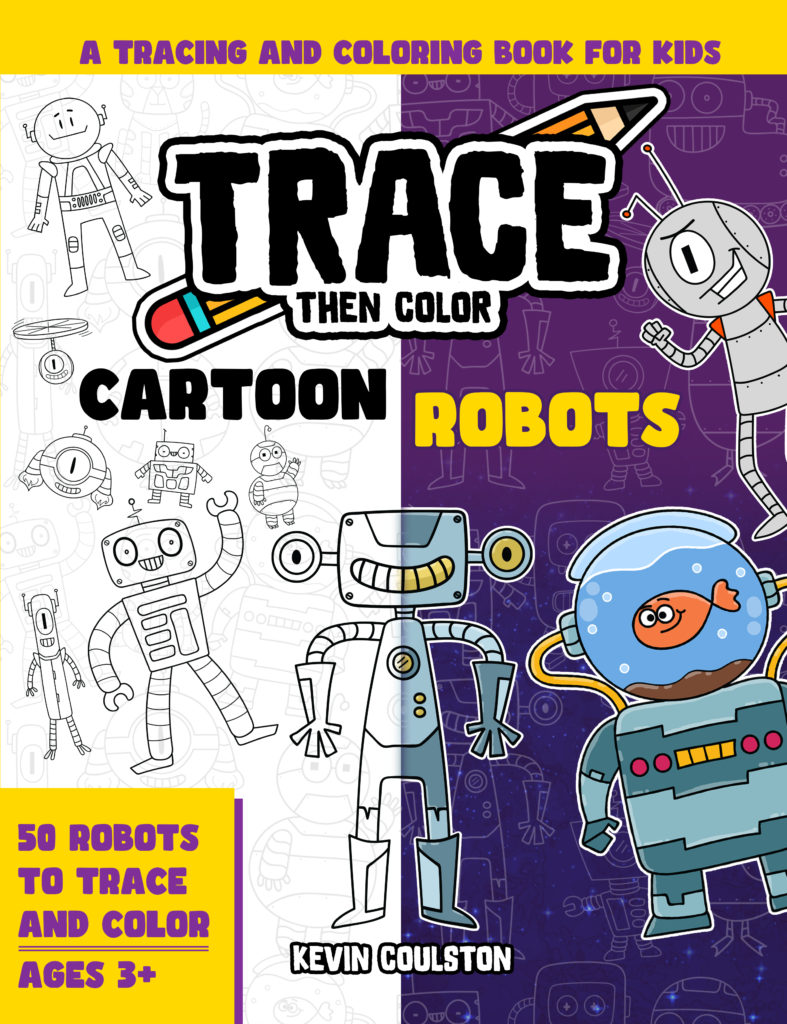
Alphabet pages support literacy; shape and counting activities support math; habitat and ocean pages support science. Trace Then Color: Alphabet Monsters and Trace Then Color: Cartoon Robots connect easily to letters and shapes.
When coloring works best
- Morning work as students arrive. See coloring morning work.
- Early finishers. See early finisher coloring.
- Brain breaks. See coloring brain breaks.
- Indoor recess. See indoor recess coloring.
- Read-alouds for students who listen better with busy hands.
- Calm corners. See calm-down corner.
When it’s not the right tool
- As a substitute for teaching
- For long periods without purpose
- When students need movement more than quiet
Choosing pages
- Bold outlines and clear shapes for younger grades
- More detail and humor for older grades
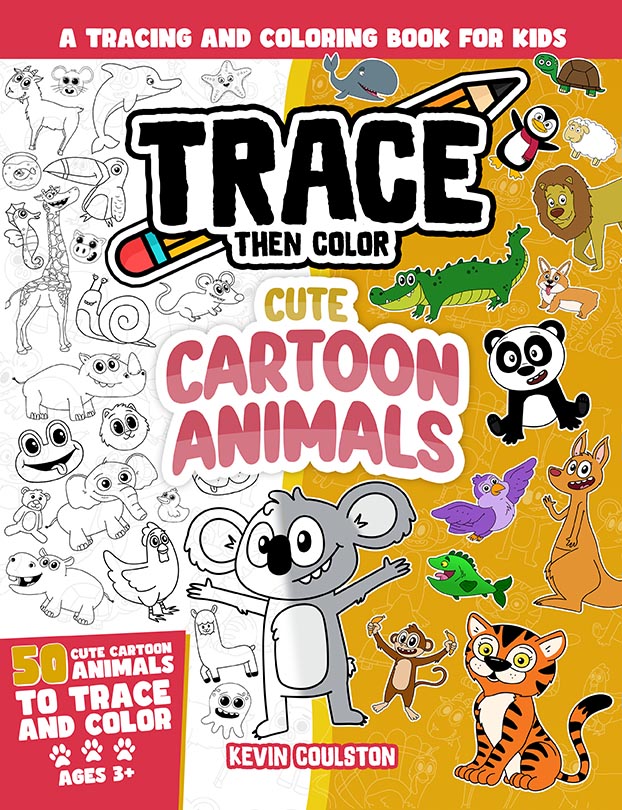
- Original characters that invite creativity, like Trace Then Color: Cute Cartoon Animals
- Pages that connect to current themes
Questions teachers ask
Is coloring busywork?
It can be if used without purpose. With clear goals, it builds real skills.
How much class time should coloring take?
Short, purposeful sessions of 5 to 15 minutes work well.
Can older students benefit?
Yes. Detailed pages and mindful coloring work well with older students.

About Kevin Coulston
Kevin Coulston is a cartoonist and member of the National Cartoonists Society who has written and illustrated more than 100 drawing, tracing and coloring books for kids, including the Trace Then Color series. Meet Kevin or browse all his books on FirstArtBooks.com.