For a child learning English, the classroom can be overwhelming. Words fly past and it is hard to join in. Coloring offers a welcome break: everyone can do it, and pictures carry meaning even when words do not.
It is also a powerful way to learn new vocabulary in a relaxed setting.
Why coloring helps English learners
- Low pressure. No one has to speak to participate.
- Visual support. Pictures show what words mean.
- Repetition. Color names, body parts and object names come up again and again.
- Confidence. A finished page is a success in any language.
- Inclusion. Kids can color alongside classmates, which builds connection.
Vocabulary to practice
Colors
The obvious first set. Name each color as it is used.
Body parts
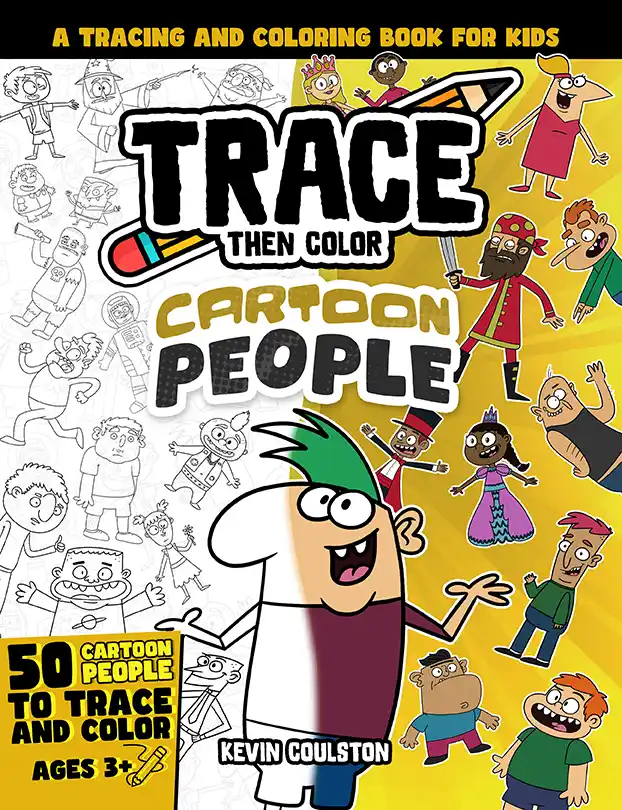
Head, eyes, ears, nose, mouth, arms, legs, hands, feet. Color characters and name each part. Trace Then Color: Cartoon People is great for body parts and clothes.
Animals
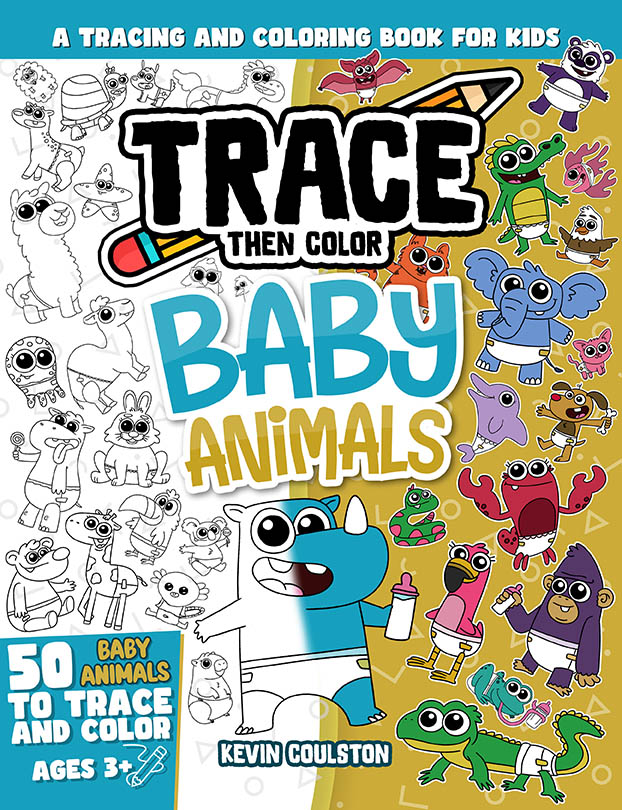
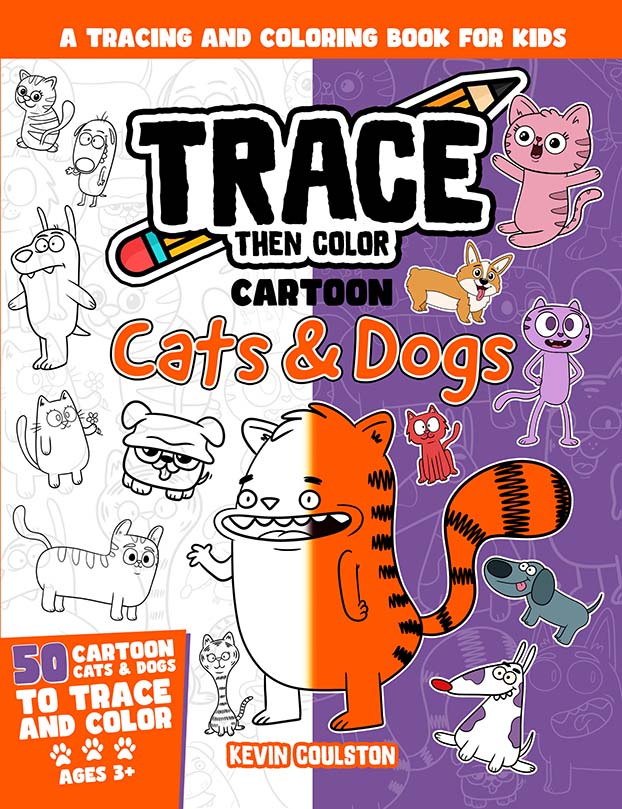
Dog, cat, cow, duck, elephant, fish. Trace Then Color: Baby Animals gives you lots of animal names.
Food
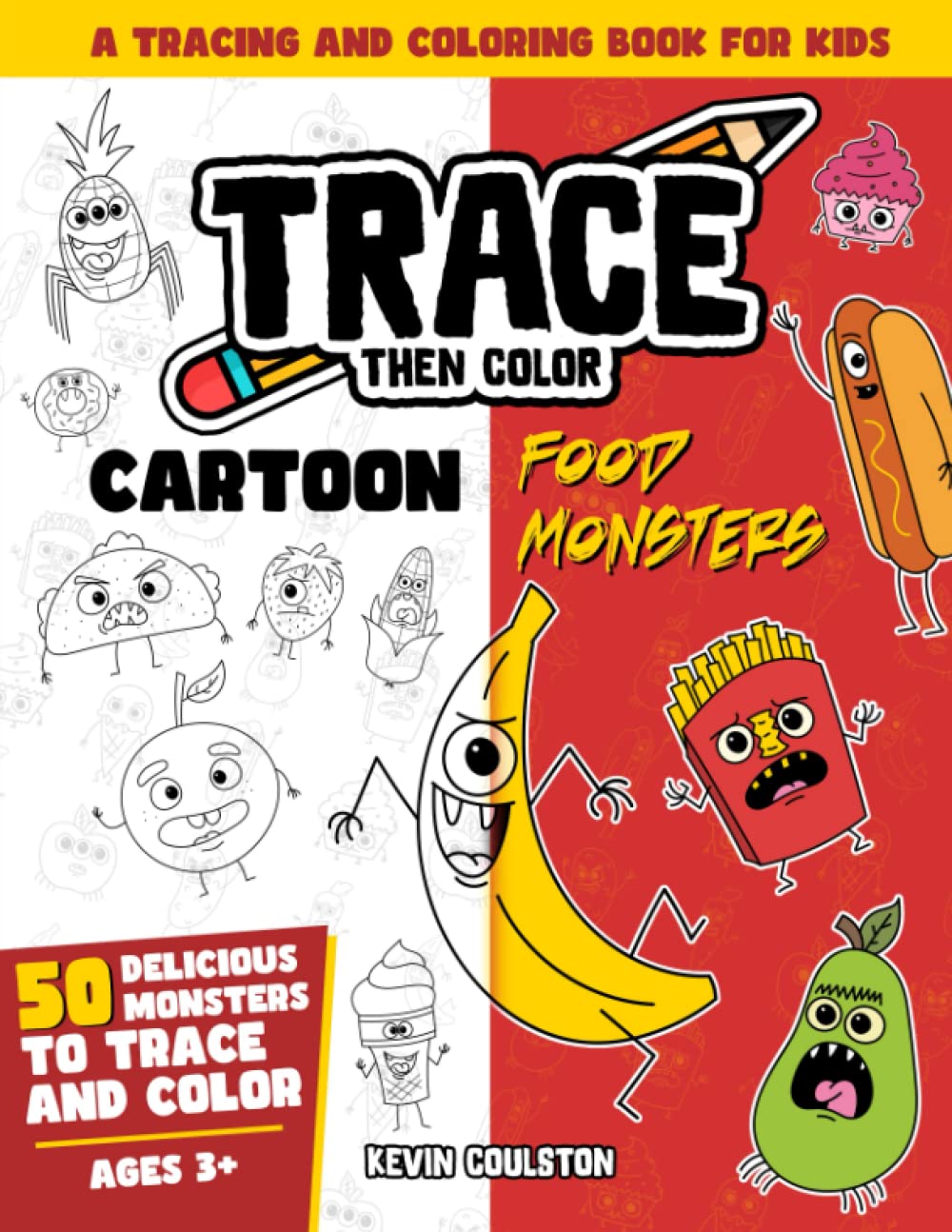
Pizza, apple, banana, cake, sandwich. Silly food characters from Trace Then Color: Cartoon Food Monsters make food words memorable.
Feelings
Happy, sad, angry, scared, tired. See color the feeling.
Positions
On, under, next to, above, below, left, right.
Coloring games for language learning
Point and say
The teacher or parent names a part; the child points to it, then colors it.
Color by instruction
Simple spoken directions: "Color the hat red." Start with one step. See color by instruction.
I spy
"I spy something blue." The child finds and names it.
Label it
Older learners write labels on their colored pages: "dog," "hat," "red."
Describe it
Kids describe their colored character with simple sentences: "My dog is brown. It has big ears."
Tips for parents and teachers
- Speak slowly and clearly, using short sentences.
- Use gestures and point.
- Repeat key words many times.
- Accept nonverbal answers at first. Pointing is participating.
- Celebrate home languages. Ask kids to say color names in their first language too. It values their knowledge and builds bridges between languages.
For families learning together
If your family speaks another language at home, coloring is a great time to practice English words together, or to keep your home language strong. Name things in both languages.
Questions teachers ask
What level is coloring best for?
Coloring is especially useful for beginners, but it can support more advanced learners with labeling and writing activities.
Should students color during English lessons?
Short coloring activities linked to vocabulary work well as part of a lesson.
Can older students benefit?
Yes. Older learners can use more detailed pages and write descriptions or stories.
About Kevin Coulston
Kevin Coulston is a cartoonist and member of the National Cartoonists Society who has written and illustrated more than 100 drawing, tracing and coloring books for kids, including the Trace Then Color series. Meet Kevin or browse all his books on FirstArtBooks.com.