Describing words, known in grammar as adjectives, tell us what something is like: big, fluffy, slimy, sparkly, grumpy. Children who know lots of describing words can express themselves more clearly and, later, write more vivid stories.
Coloring is full of things to describe. Here are games to make the most of it.
Describing word categories
- Color words: red, golden, dark, pale, bright
- Size words: tiny, huge, enormous, little, tall
- Shape words: round, pointy, square, curly, wavy
- Texture words: fluffy, spiky, slimy, bumpy, smooth, scaly
- Feeling words: happy, grumpy, scared, silly, proud
- Sound words: loud, squeaky, quiet
- Silly words: gooey, crusty, wobbly, stinky
Coloring games
Describe and color
Before coloring, describe the character together. "This monster is round and lumpy with three pointy horns." Then color it.
Guess my character
Color a character secretly, then describe it. Another person guesses which page it was.
Texture coloring
Color with texture in mind. "Make the fur look fluffy." "Make the scales look shiny." Then use the words to describe the result. See coloring fur, scales and metal.
Three words
After coloring, your child writes or says three words about their character. Older kids can make a sentence: "My slimy, green, giggly monster."
Silly description challenge
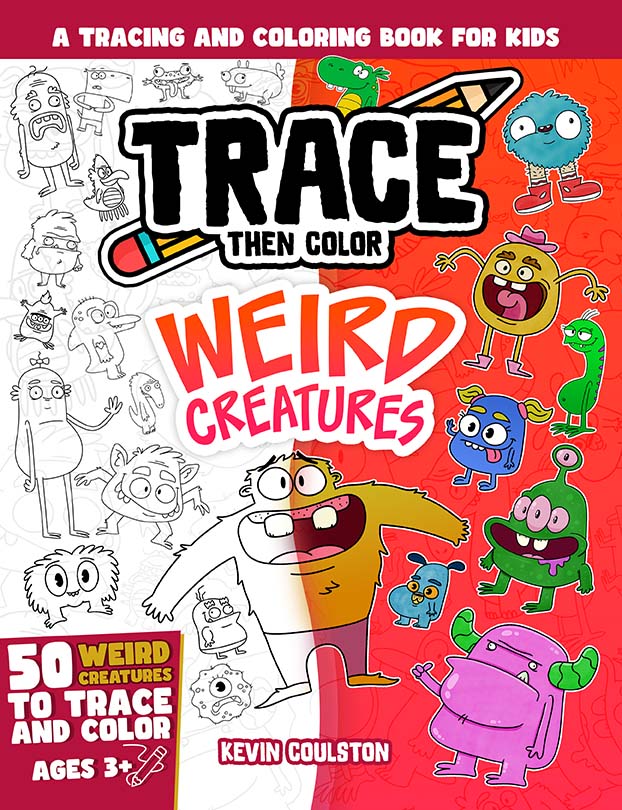
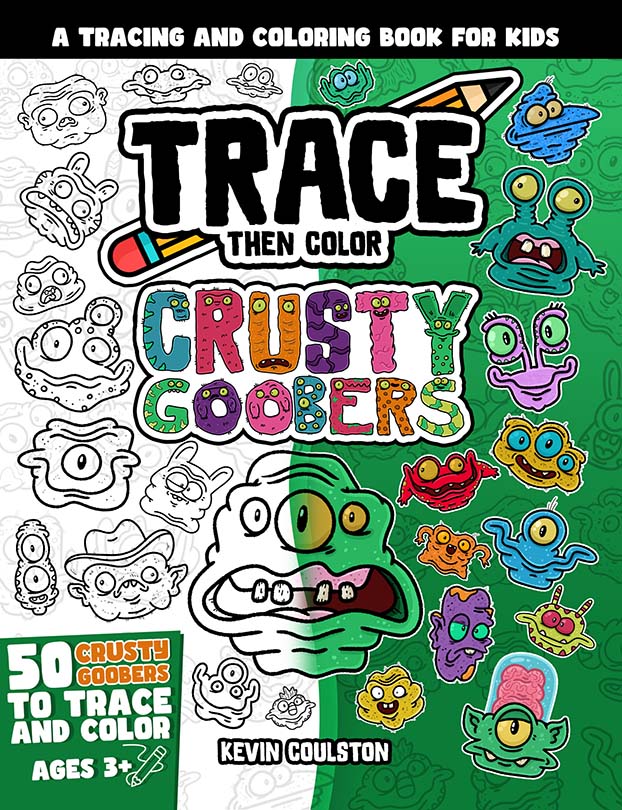
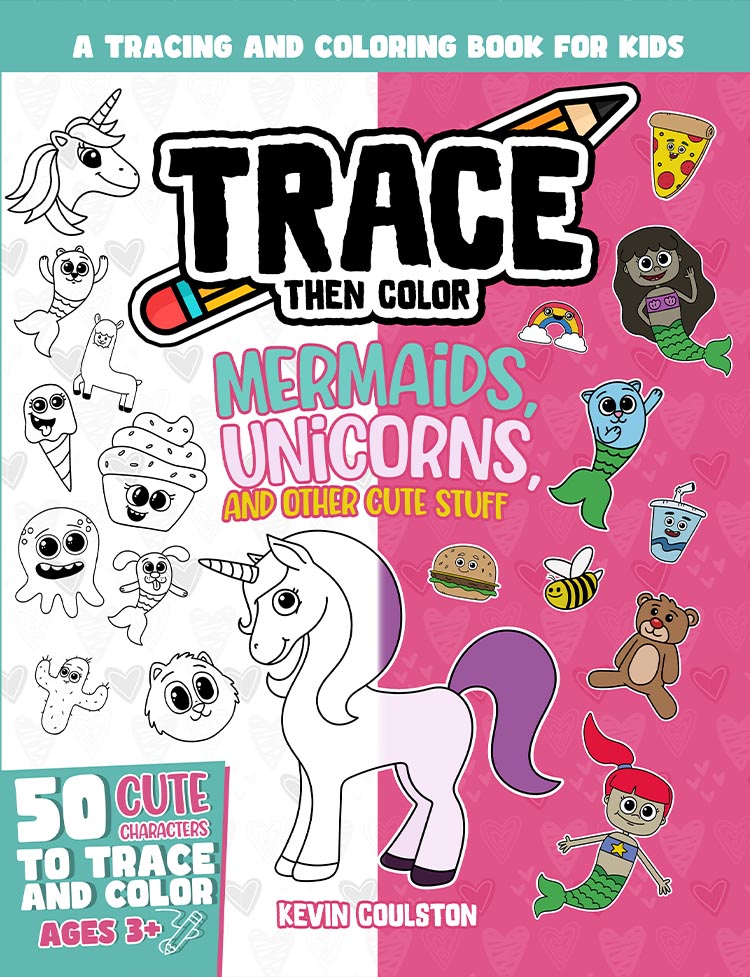
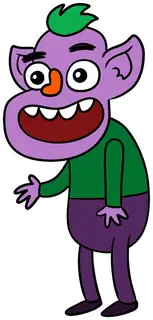
Weird and gross characters are perfect for big, funny describing words. Crusty, gooey, lumpy, stinky, wobbly. Trace Then Color: Crusty Goobers and Trace Then Color: Weird Creatures inspire some wonderful descriptions.
Describing word wall
Each time a new describing word comes up, write it on a card and stick it near the coloring station.
Ideas by age
Preschool
Focus on basic words: big, little, happy, sad, soft, colors.
Kindergarten and first grade
Add texture and shape words, and use describing words in simple sentences.
Older kids
Use more precise and interesting words, like "gigantic" instead of "big," and write short descriptions or stories about colored characters. See color a character, tell a story.
Model rich language
When you talk about your own coloring, use interesting words: "I’m making his hair a wild, frizzy orange." Kids pick up vocabulary from what they hear.
Questions parents ask
What is an adjective?
A describing word that tells more about a noun, like "fluffy" in "fluffy dog."
My child only says "nice" and "cool." How can I expand their words?
Model more specific words and ask questions like "What kind of cool? Shiny cool or scary cool?"
Is this good for kids learning English?
Yes. Describing pictures is a great way to build vocabulary in a new language. See coloring for English learners.

About Kevin Coulston
Kevin Coulston is a cartoonist and member of the National Cartoonists Society who has written and illustrated more than 100 drawing, tracing and coloring books for kids, including the Trace Then Color series. Meet Kevin or browse all his books on FirstArtBooks.com.