Teachers and parents often use coloring as a reward: "Finish your work and you can color." Used well, coloring is a healthy, low-cost reward. Used poorly, it can make coloring feel like a bribe. Here’s how to get it right.
Coloring rewards that work
Special pages
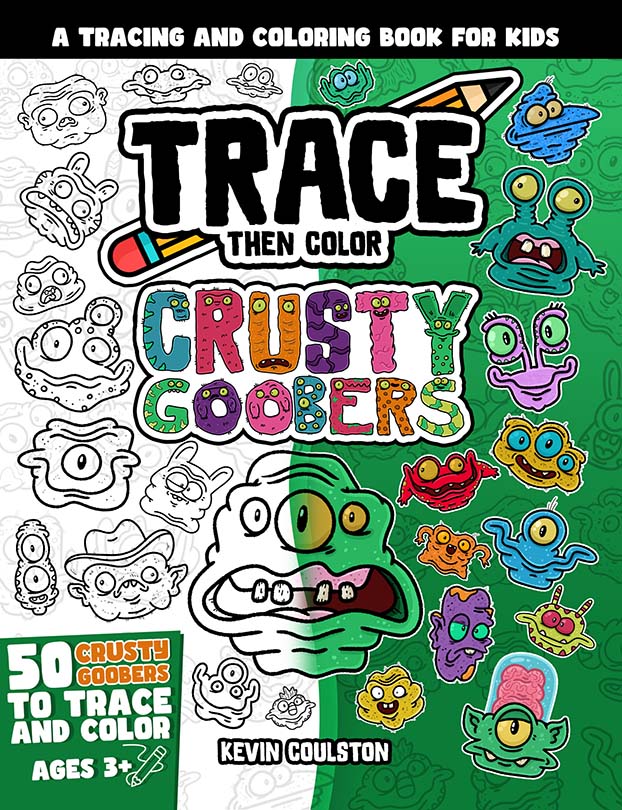
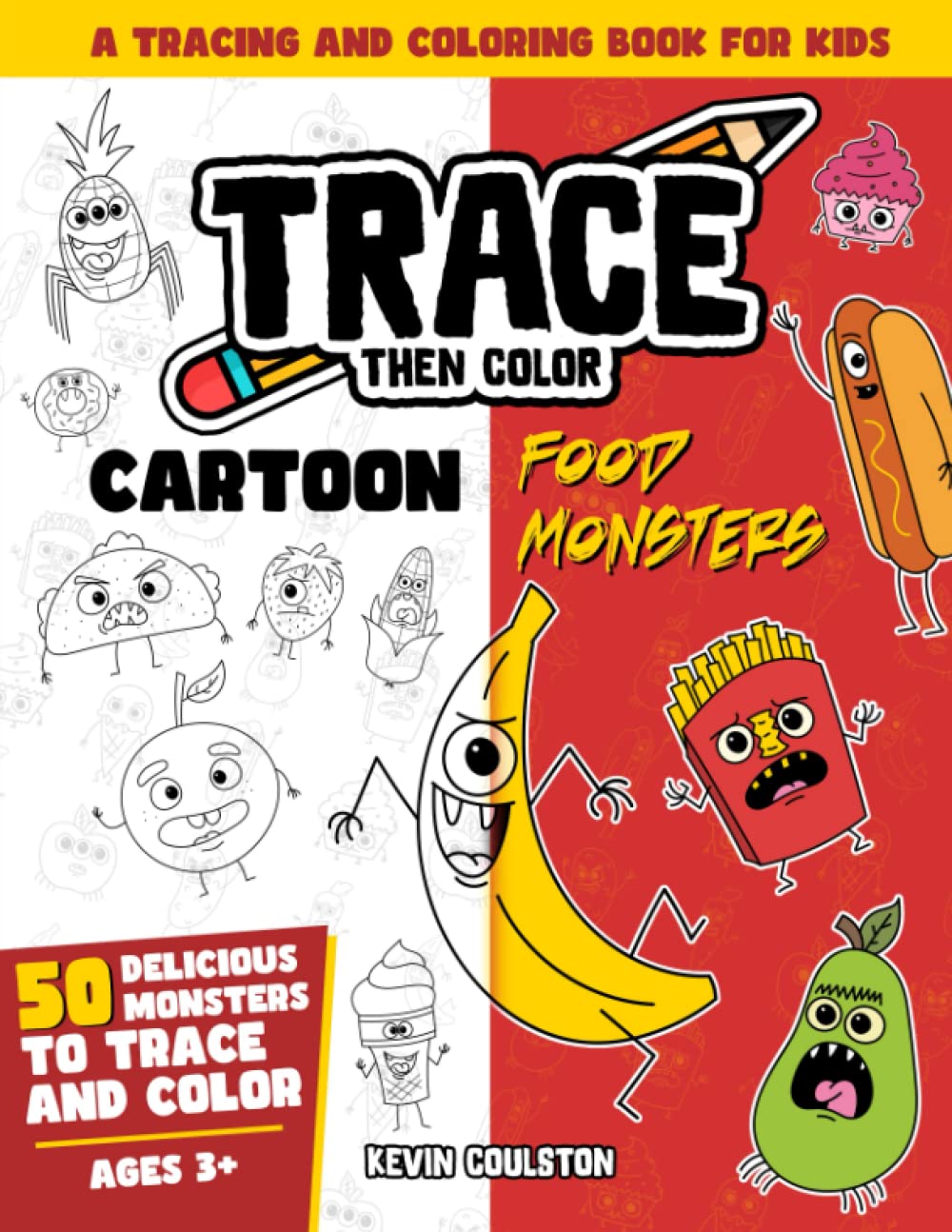
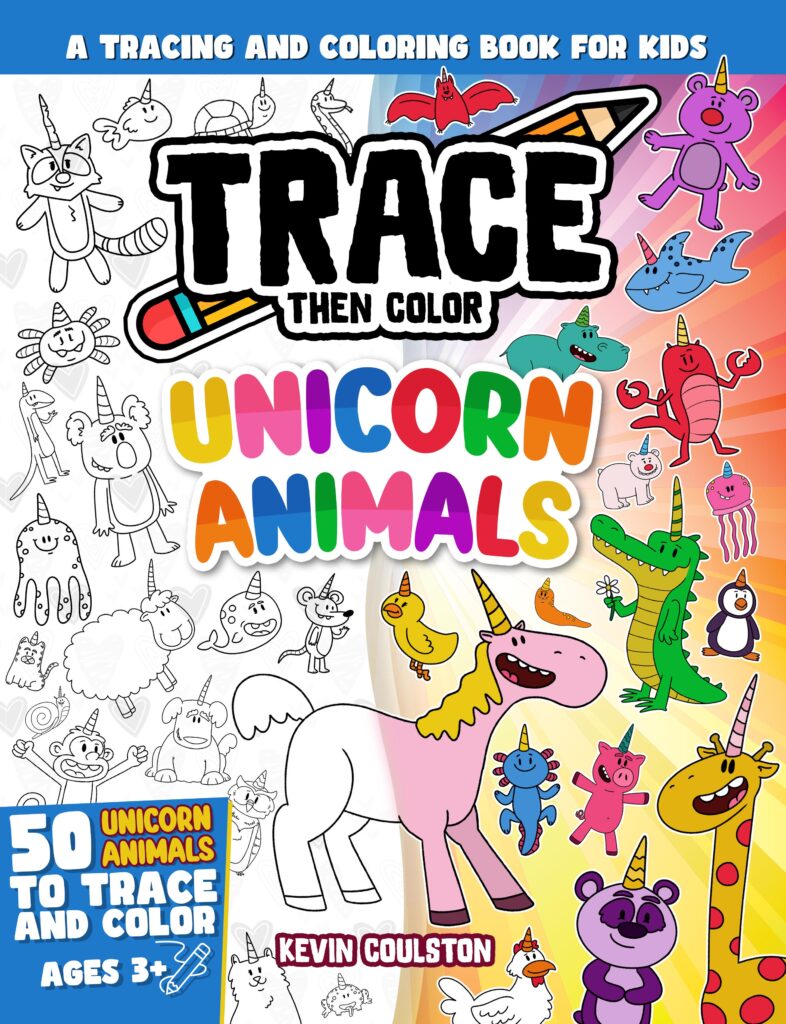
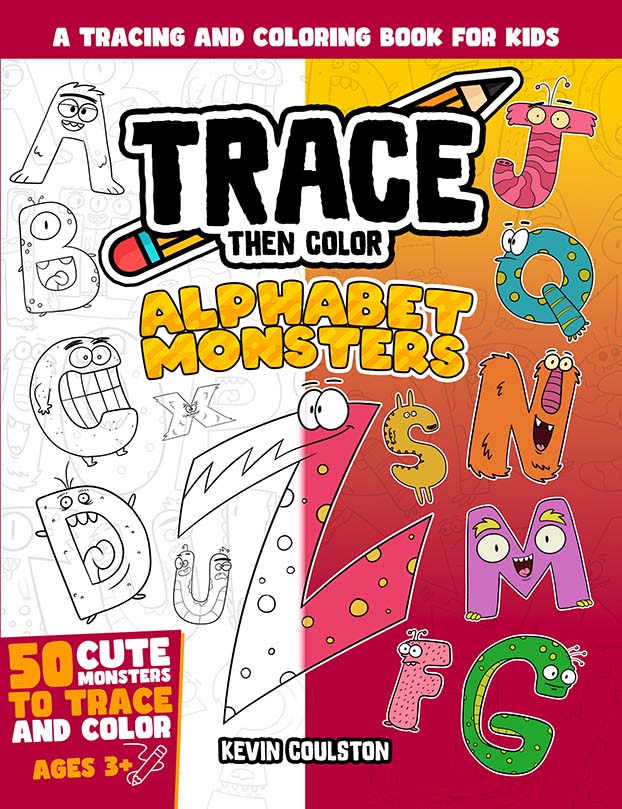
A special page that only appears as a reward feels exciting. Silly or extra-cool characters work well: Trace Then Color: Crusty Goobers, Trace Then Color: Cartoon Food Monsters or Trace Then Color: Unicorn Animals.
Choice time
Earned free time where coloring is one choice among several.
Special supplies
Gel pens or metallic markers as a reward tool.
A new book
For reaching a bigger goal, like reading a set number of books.
Keep coloring enjoyable for its own sake
If coloring only ever appears as a reward, kids may see it only as a prize. Keep regular coloring available too, so students enjoy it intrinsically.
Avoid using coloring as punishment
Removing coloring as a consequence can make it feel emotional and loaded. Use other consequences when possible.
Reward the right things
Reward effort, kindness and progress, not just speed. Students who rush work to get to coloring may need a quality check.
Questions teachers ask
Is using coloring as a reward a bribe?
Not if it’s used occasionally and positively. Bribes are offered in the moment to stop behavior; rewards recognize effort.
What if a student never earns coloring time?
Offer coloring in other ways, like brain breaks, so everyone can enjoy it.
Can coloring rewards work at home?
Yes, with the same principles.

About Kevin Coulston
Kevin Coulston is a cartoonist and member of the National Cartoonists Society who has written and illustrated more than 100 drawing, tracing and coloring books for kids, including the Trace Then Color series. Meet Kevin or browse all his books on FirstArtBooks.com.