Students can only focus for so long. Brain breaks, short pauses between lessons, help them reset. Many brain breaks are active, like dancing or stretching. Coloring offers a calm alternative when students need to settle rather than energize.
When to use a coloring brain break
- After a demanding lesson
- After lunch or recess, to settle down
- Before a test
- When the room feels overstimulated
How to run one
- Announce it: "Coloring break: three minutes."
- Students take out their brain break page.
- Start a timer and play calm music.
- Color quietly.
- Signal the end and put pages away.
The brain break page
Each student keeps one ongoing page in their desk. They color a little each break. It might take weeks to finish, which is fine.
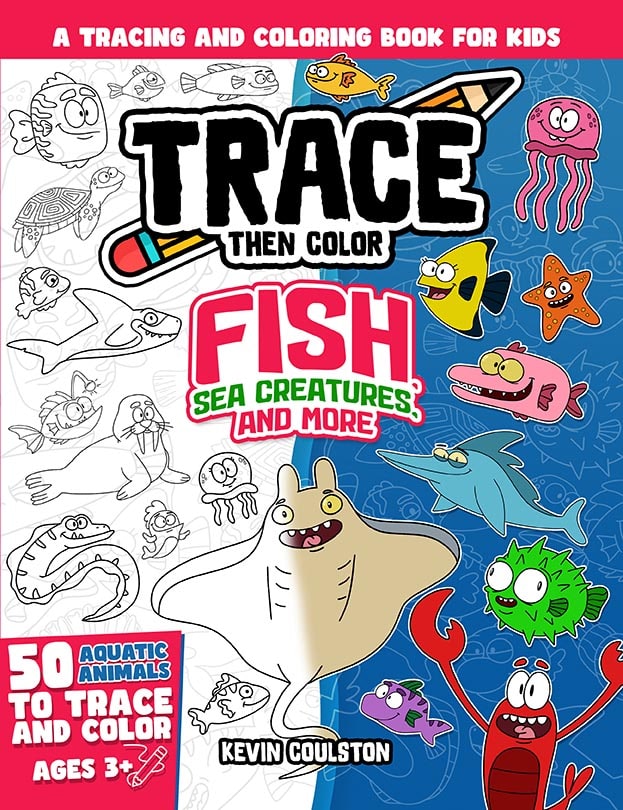
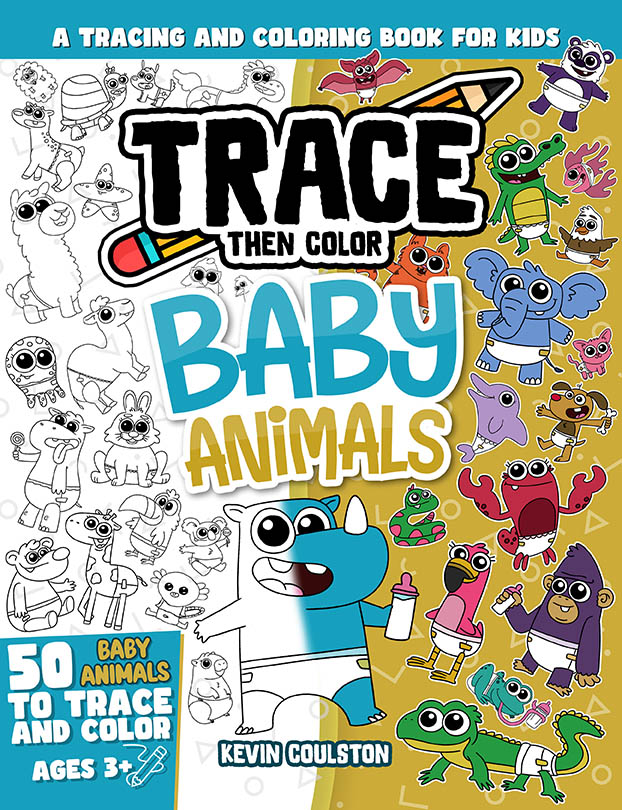
Calm subjects work best: Trace Then Color: Fish, Sea Creatures and More and Trace Then Color: Baby Animals.
Add breathing
Start with three slow breaths. See color and breathe.
Calming vs energizing breaks
- Coloring: calms and settles.
- Movement: energizes and releases wiggles.
Choose based on what the class needs.
Questions teachers ask
How long should a brain break be?
Three to five minutes.
Won’t students want to keep coloring?
Use a timer and the ongoing page. They’ll get to color again next break.
Is this good for older students?
Yes. Older students enjoy detailed pages and mindful coloring breaks.

About Kevin Coulston
Kevin Coulston is a cartoonist and member of the National Cartoonists Society who has written and illustrated more than 100 drawing, tracing and coloring books for kids, including the Trace Then Color series. Meet Kevin or browse all his books on FirstArtBooks.com.