Students arrive at different times, in different moods, with different amounts of sleep and breakfast. Morning work gives them something calm to do while the teacher takes attendance, checks in and handles notes from home. Coloring is one of the best morning work options.
Why coloring works as morning work
- Independent. Students can start without instructions.
- Calm. Sets a quiet tone for the day.
- Flexible. Works whether students arrive early or late.
- Skill-building. Fine motor, focus, and links to curriculum.
Morning routine
- Unpack, hang up coat.
- Pick up the morning page from a tray.
- Color at your seat.
- Quiet chat with tablemates.
- Clean up at the signal.
Link to the curriculum
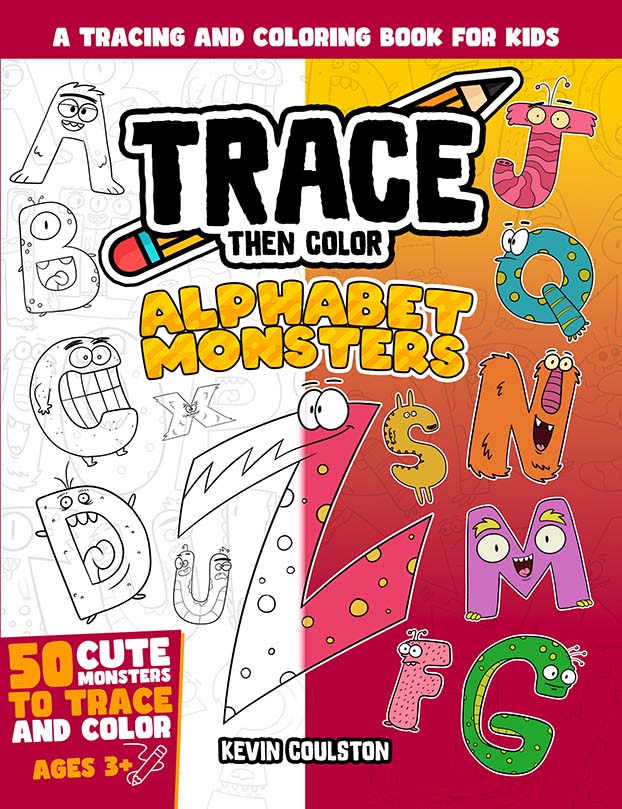
- Letter of the week: a letter page from Trace Then Color: Alphabet Monsters.
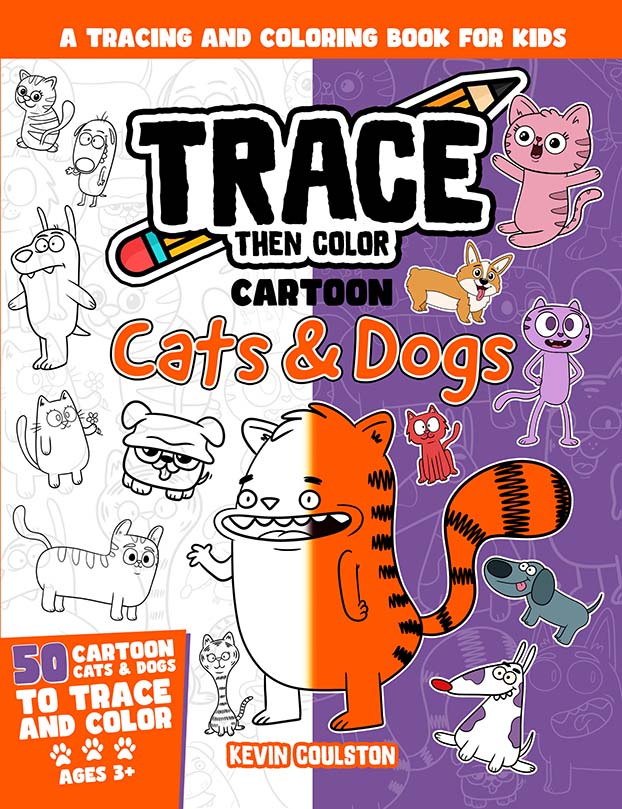
- Theme of the week: pets week with Trace Then Color: Cartoon Cats and Dogs.
- Counting: count and color the spots.
- Writing: write a word or sentence about the character.
Use the time well
While students color, teachers can:
- Check in quietly with individual students
- Take attendance and lunch counts
- Notice moods and needs
- Observe fine motor skills. See what teachers learn by watching kids color.
Variety
Rotate morning work so it doesn’t get stale: coloring one week, puzzles or building the next, or coloring with a twist such as patterns or color-by-instruction.
Questions teachers ask
Is coloring too simple for morning work?
Add a skill twist, like letter tracing, patterns or writing a sentence.
What about students who finish quickly?
Offer extensions: add a background, write about the character or start a second page.
Should morning work be graded?
Generally no. It’s a calm start, not an assessment.

About Kevin Coulston
Kevin Coulston is a cartoonist and member of the National Cartoonists Society who has written and illustrated more than 100 drawing, tracing and coloring books for kids, including the Trace Then Color series. Meet Kevin or browse all his books on FirstArtBooks.com.