Coloring time can look like downtime, but experienced teachers know it’s one of the best times to observe. A child coloring is showing their fine motor skills, focus, mood and how they work alongside others.
What to watch
| What you see | What it can tell you |
|---|---|
| Grip | Fine motor development (fist, finger or tripod grip) |
| Pressure | Very light or very heavy pressure may point to hand strength or control |
| Hand switching | Hand dominance may still be developing |
| Staying near lines | Visual-motor coordination |
| Time on task | Attention span |
| Reaction to mistakes | Frustration tolerance and perfectionism |
| Color choices and talk | Language, mood and imagination |
| Sharing supplies | Social skills |
Clues, not conclusions
One messy page means nothing. A pattern over weeks can be worth noting. If a child consistently struggles with grip, pressure or staying near lines compared to classmates, it may be worth talking with families and an occupational therapist.
Simple ways to observe
- Keep a clipboard nearby. Jot quick notes during coloring time.
- Date and save a page each month. Comparing them shows growth.
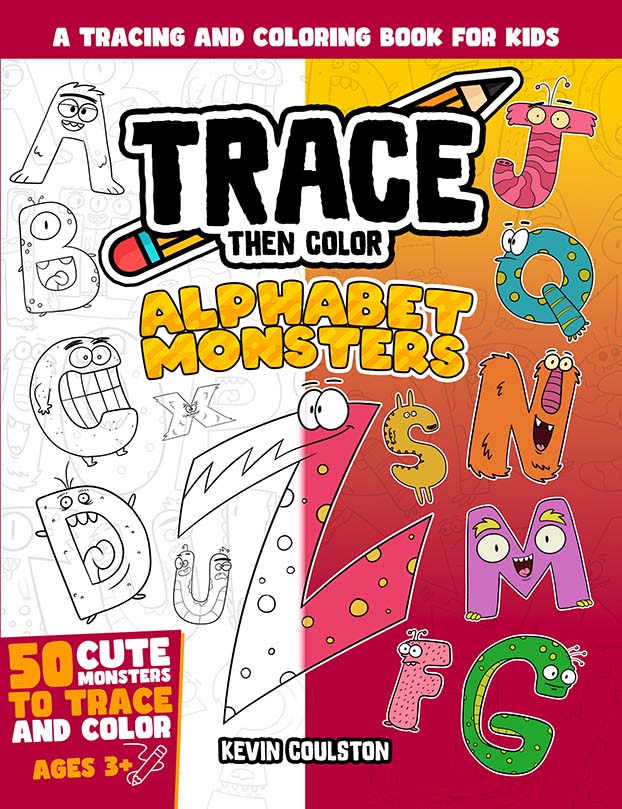
- Use letter pages. A page from Trace Then Color: Alphabet Monsters shows both letter formation and coloring control.
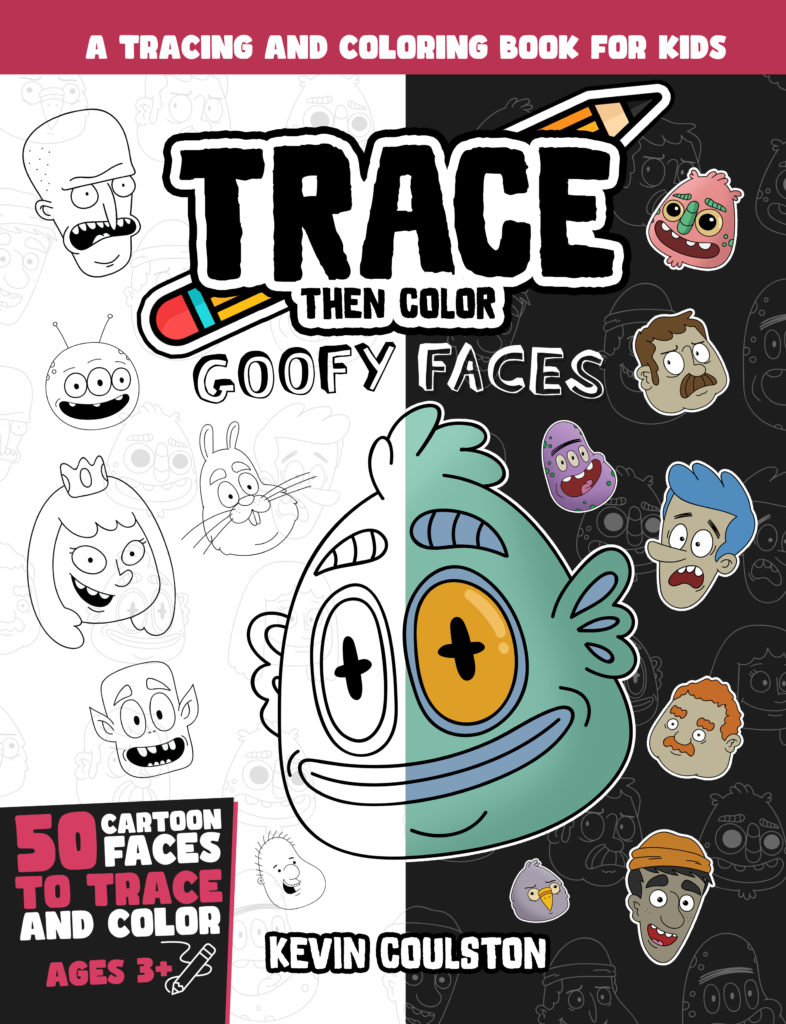
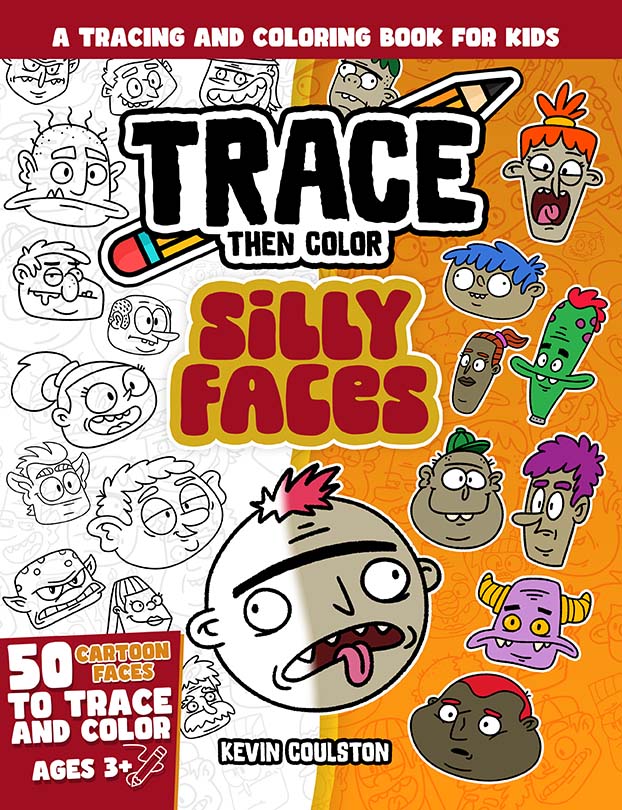
- Ask about the picture. "Tell me about your face" with a page from Trace Then Color: Goofy Faces shows language and imagination.
What coloring can show about mood
Children sometimes show how they’re feeling through their choices and their talk. A child who usually chats but colors silently, or presses unusually hard, may be having a tough day. A gentle check-in helps.
Avoid reading too much into color choices. A child who uses black isn’t necessarily sad. They may just like black.
For more on the skills involved, see coloring and fine motor skills.
Questions teachers ask
When should I worry about a child’s grip?
Fist grips are typical in toddlers. By kindergarten, most children are moving toward a finger or tripod grip. Persistent difficulty is worth discussing with an OT.
Can coloring be used for assessment?
Informally, yes. It’s a useful observation tool alongside formal checks.
Should I share observations with families?
Yes, positively and with examples. Saved pages make the conversation concrete.

About Kevin Coulston
Kevin Coulston is a cartoonist and member of the National Cartoonists Society who has written and illustrated more than 100 drawing, tracing and coloring books for kids, including the Trace Then Color series. Meet Kevin or browse all his books on FirstArtBooks.com.