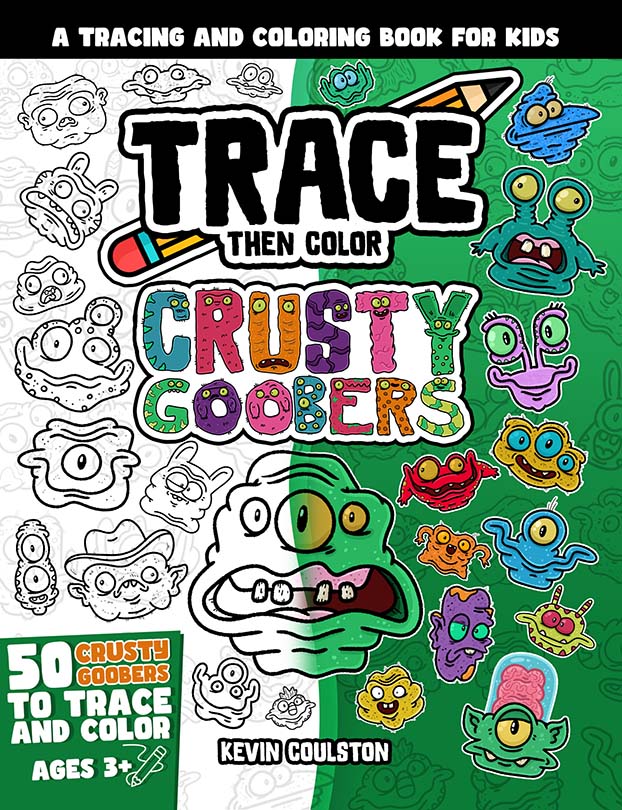
Coloring isn’t only an art activity. With a small twist, a coloring page can support math, science, reading, writing and more. It’s a way to add a hands-on, calm activity to almost any lesson.
Math
- Count and color. "Color 3 spots blue and 4 spots red. How many in all?"
- Patterns. Color stripes in an ABAB or ABC pattern.
- Shapes. Find and color all the circles on the page.
- Fractions. Color half of the shapes one color.
Science
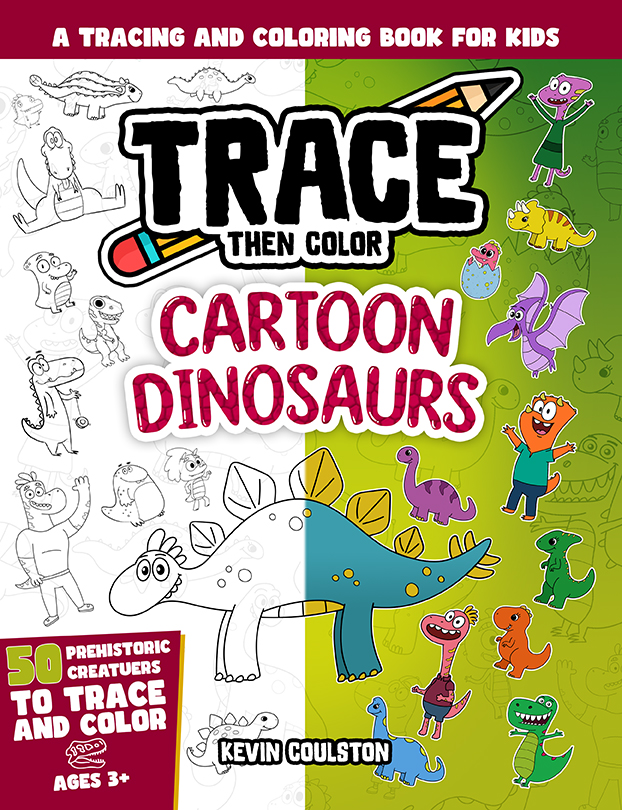
- Dinosaurs. Color pages from Trace Then Color: Cartoon Dinosaurs and talk about what scientists know (and don’t know) about dinosaur colors. See dinosaur coloring for kids.
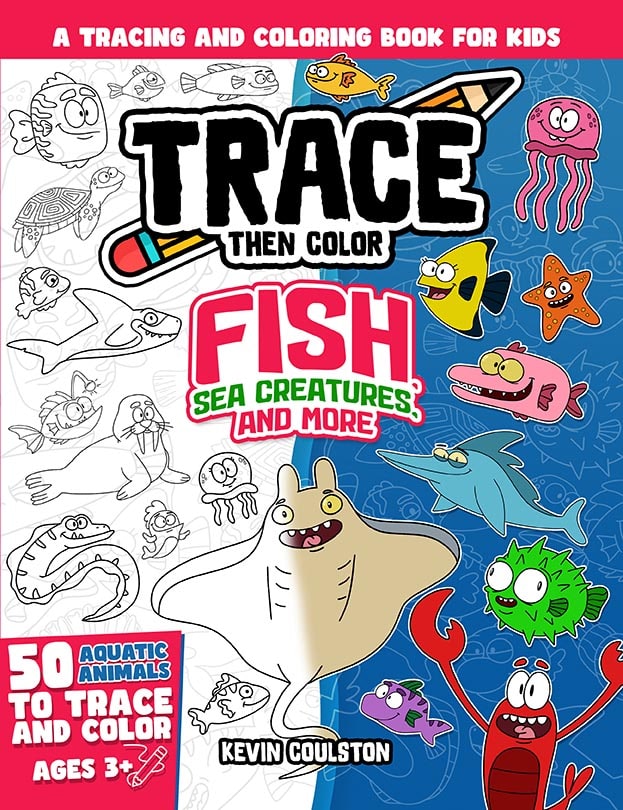
- Ocean animals. Use Trace Then Color: Fish, Sea Creatures and More to discuss camouflage and warning colors.
- Labeling. Label fins, tails, legs and eyes.
Reading and phonics
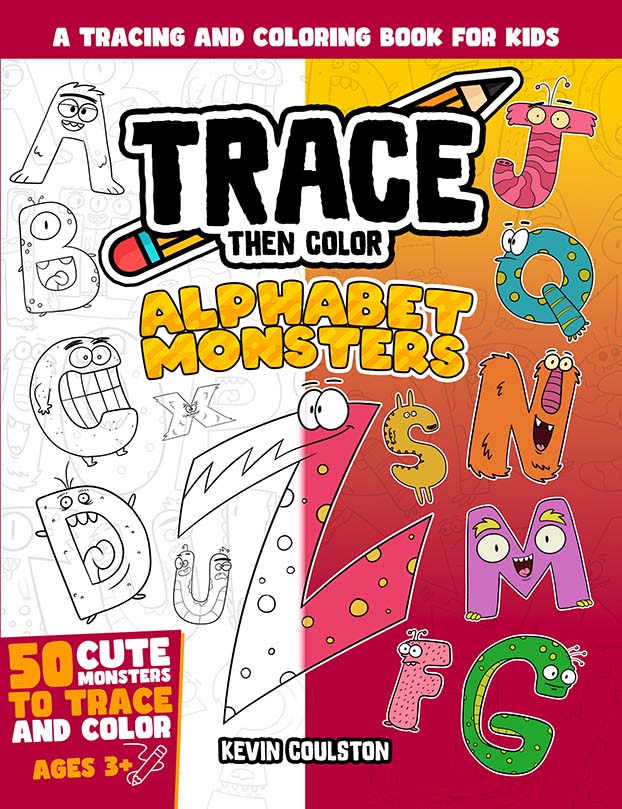
- Letter pages. Trace Then Color: Alphabet Monsters pairs each letter with a monster to color.
- Beginning sounds. Color only the things that start with the letter of the week.
- Story response. Color a character from the read-aloud.
Writing
- Captions. Write one sentence about the character.
- Character profiles. Name, age, favorite food, superpower.
- Story starters. Write what happens next.
See coloring and storytelling for more.
Health and nutrition
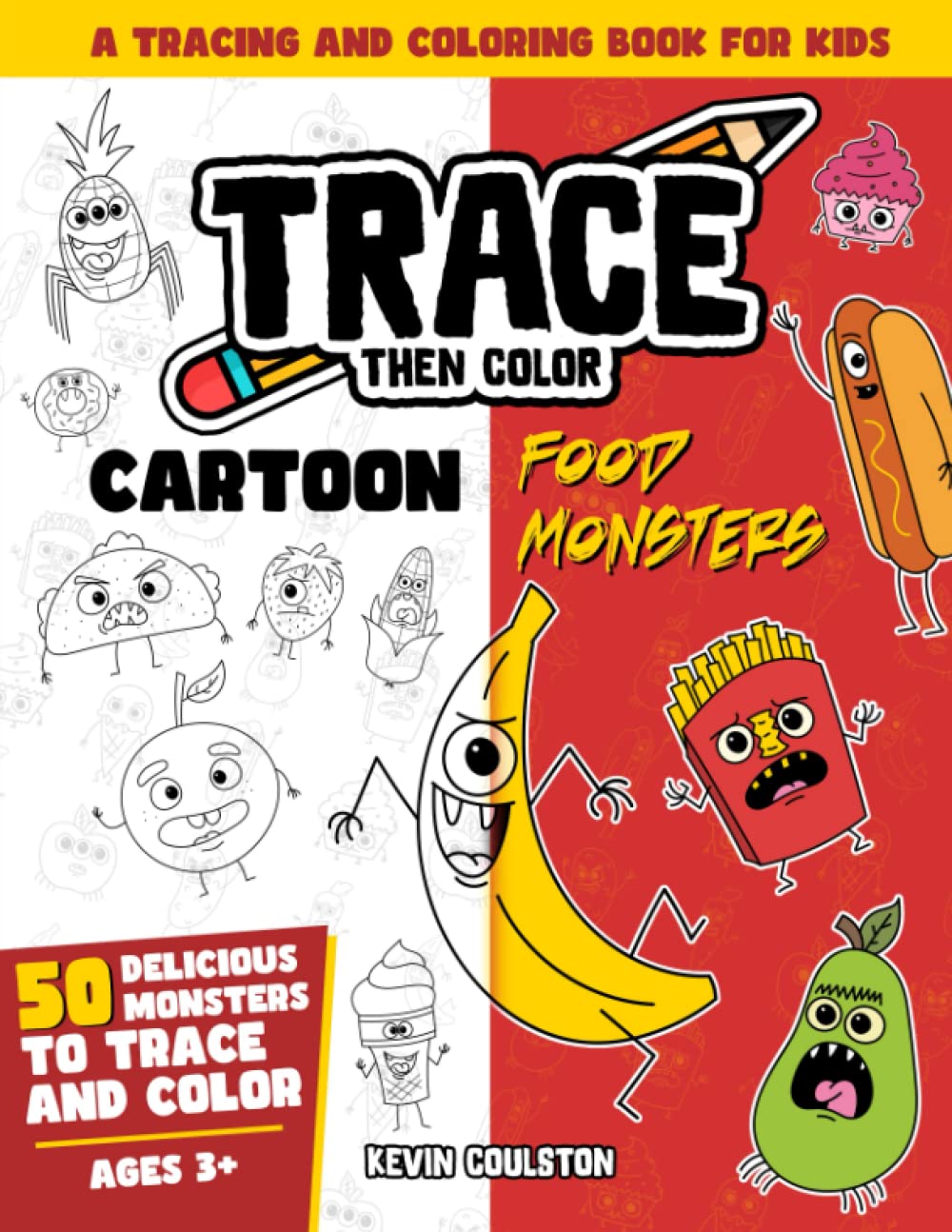
Food characters make healthy eating discussions fun. Trace Then Color: Cartoon Food Monsters can start talks about fruits, vegetables and treats.
Social studies and SEL
- Color faces showing different feelings and talk about them
- Color a community helper
- Color characters and discuss kindness and differences
Keep the coloring part relaxed. The learning twist should be short and simple, so the activity stays calm and fun.
Questions teachers ask
Is coloring a waste of instructional time?
Not when it’s linked to a goal. It also supports fine motor skills and calm focus.
Which grades can use these ideas?
Most fit pre-K to 3rd grade, and many adapt for older students.
How do I find pages that match my lessons?
Themed coloring books and printable pages make it easy. Pick a theme, then add a twist.

About Kevin Coulston
Kevin Coulston is a cartoonist and member of the National Cartoonists Society who has written and illustrated more than 100 drawing, tracing and coloring books for kids, including the Trace Then Color series. Meet Kevin or browse all his books on FirstArtBooks.com.