Dinosaurs are one of the most popular themes in kids’ books, toys and coloring pages. They’re big, a little scary and full of fascinating facts. Coloring them combines art with science.
What color were dinosaurs?
For most dinosaurs, nobody knows. Skin and feathers rarely fossilize with color. In a few feathered dinosaurs, scientists have studied tiny structures called melanosomes, which carried pigment, and suggested some colors and patterns. For example, studies of Sinosauropteryx suggested a reddish-brown body with a striped tail.
For everything else, kids can decide. That’s what makes dinosaur coloring so fun.
Coloring ideas
- Realistic. Greens, browns and grays like modern reptiles.
- Camouflage. Spots and stripes to hide in the jungle. See animal camouflage colors.
- Bright warning colors. Red and yellow to say "stay away."
- Rainbow. Because why not?
- Robot dinos. Metal and lights. See robot dinosaur coloring.
Pages to try
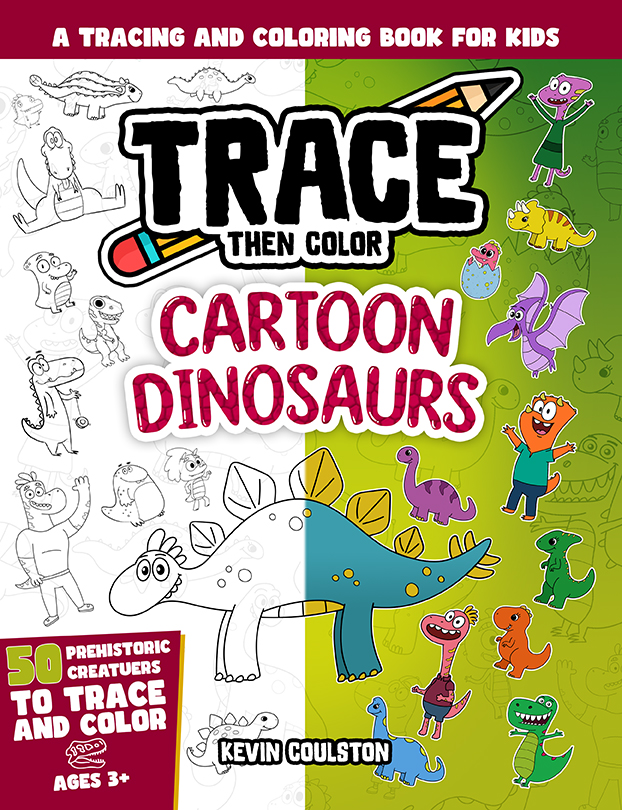
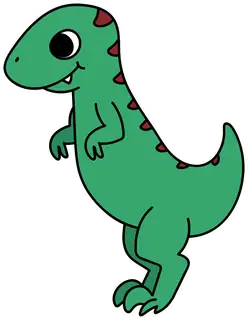
- Friendly dinos in Trace Then Color: Cartoon Dinosaurs
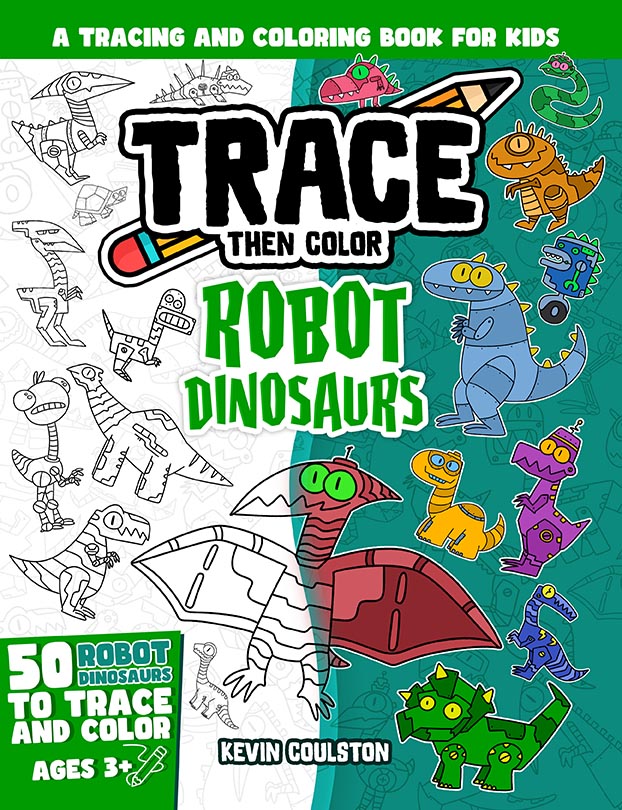
- Metal dinos in Trace Then Color: Robot Dinosaurs
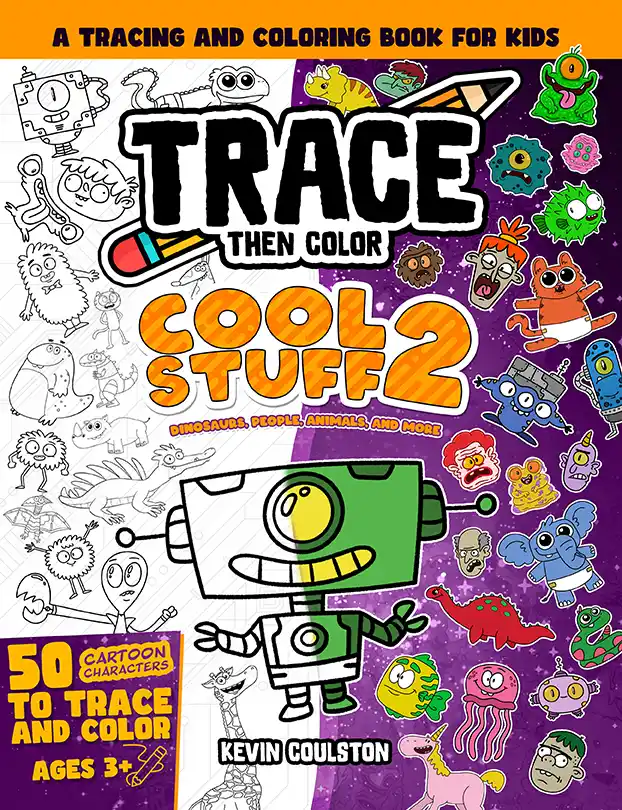
- A mix of dinosaurs, people and animals in Trace Then Color: Cool Stuff 2
Add dino facts
- Count the spikes before coloring
- Label the dinosaur’s parts: head, tail, claws, plates
- Talk about plant eaters and meat eaters
- Make up a name for a new dinosaur
See coloring across the curriculum.
Dinosaur pages are great for kids who say they don’t like coloring. The topic does the convincing.
Questions parents ask
What age do kids get into dinosaurs?
Often between 2 and 6, and many kids stay fascinated for years.
Should I correct "wrong" dinosaur colors?
No. Most real dinosaur colors are unknown.
Can dinosaur coloring teach science?
Yes. Talk about fossils, diets and sizes while they color.

About Kevin Coulston
Kevin Coulston is a cartoonist and member of the National Cartoonists Society who has written and illustrated more than 100 drawing, tracing and coloring books for kids, including the Trace Then Color series. Meet Kevin or browse all his books on FirstArtBooks.com.