Why is a polar bear white? Why is a poison dart frog so brightly colored? Why do zebras have stripes? Animal colors are not random. Very often, they help the animal survive. Coloring is a great way for kids to explore why.
Why animals have their colors
Camouflage: hiding
Many animals are colored to blend into their surroundings, which helps them hide from predators or sneak up on prey.
- Polar bears blend with snow and ice.
- Many frogs and lizards are green like leaves.
- Flatfish lie on the sea floor and match the sand.
- Some octopuses can change color and texture to match their surroundings.
Warning colors: stay away
Some animals are brightly colored to warn predators that they are poisonous or taste bad. Bright red, yellow and black are common warning colors. Poison dart frogs and some caterpillars use them.
Showing off
Some animals use color to attract a mate. Male peacocks spread colorful tails, and many male birds are brighter than females.
Patterns that confuse
Scientists have several ideas about zebra stripes. One leading idea is that stripes help reduce bites from flies. It is a nice reminder that science is still figuring things out.
Coloring activities
Hide and seek page
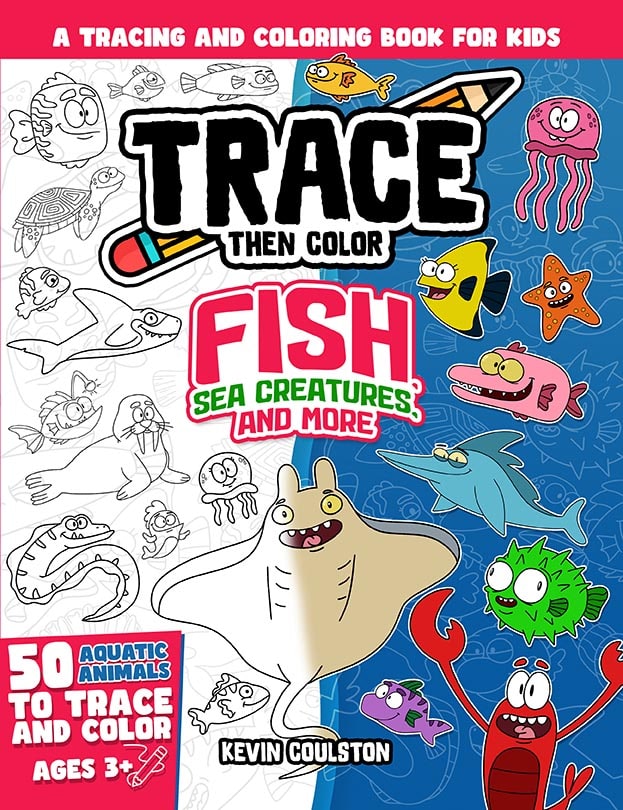
Color a background, like leaves, sand or snow. Then color an animal to blend in. Can someone else find it? Fish on a sandy sea floor work well: Trace Then Color: Fish, Sea Creatures and More.
Stand out page
Color the same animal in warning colors so it stands out. Compare the two.
Invent a camouflage animal
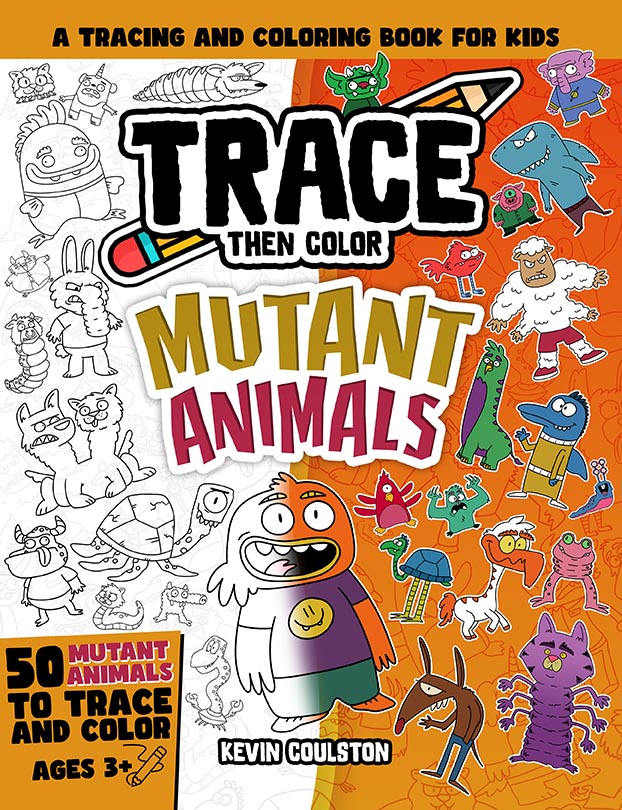
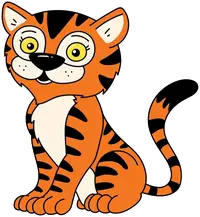
Mash-up animals are fun to camouflage: "a tiger-fish that hides in seaweed." Trace Then Color: Mutant Animals gives kids creatures to design camouflage for.
Pet coat colors
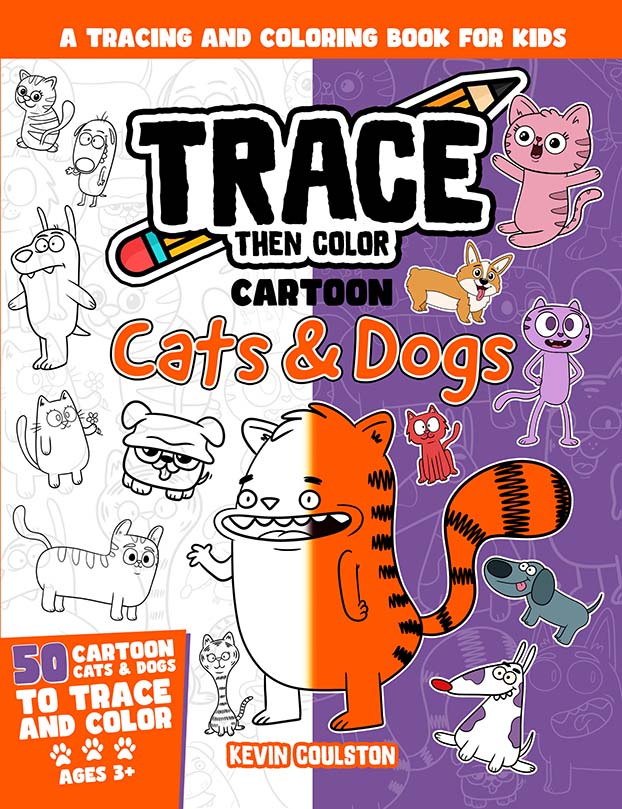
Cats and dogs come in lots of colors and patterns: tabby, calico, spotted, brindle. Talk about how pet colors are different from wild animal camouflage. Trace Then Color: Cartoon Cats and Dogs has pets to color in every coat.
Camouflage hunt outside
Go outside and look for insects and birds that blend in. Then come home and color them.
Science words
Camouflage, predator, prey, adaptation, warning colors, habitat.
Connect to habitats
Camouflage only works in the right place. A white animal hides in snow but stands out in a forest. See animal habitats.
Questions parents ask
Can animals change color?
Some can. Octopuses, cuttlefish and some lizards change color quickly. Some animals, like the Arctic fox, change coat color with the seasons.
Why are some animals brightly colored if it makes them easy to see?
Bright colors can warn predators or attract mates, so being seen can be useful.
What age is this for?
Preschoolers enjoy hide-and-seek coloring; older kids can learn the science of adaptation.

About Kevin Coulston
Kevin Coulston is a cartoonist and member of the National Cartoonists Society who has written and illustrated more than 100 drawing, tracing and coloring books for kids, including the Trace Then Color series. Meet Kevin or browse all his books on FirstArtBooks.com.