A habitat is the place an animal lives: where it finds food, water, shelter and space. Learning about habitats helps children understand why animals look and behave the way they do. Coloring is a great way to bring habitats to life.
Common habitats
Ocean
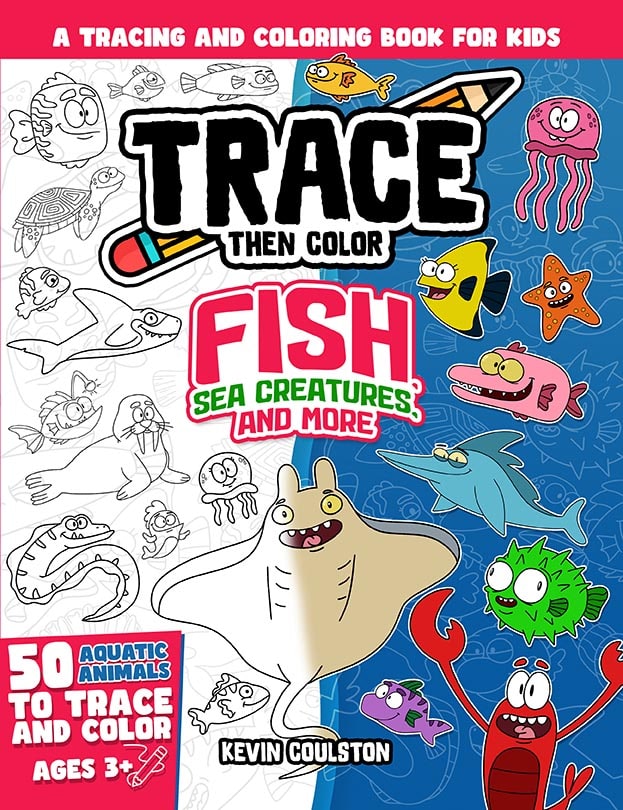
Fish, whales, octopuses and crabs. Lots of water, salt, coral reefs and deep dark zones. Trace Then Color: Fish, Sea Creatures and More covers ocean life.
Forest
Deer, bears, owls and squirrels. Trees, leaves, shade and streams.
Jungle or rainforest
Monkeys, parrots, frogs and tigers. Warm, wet and full of plants.
Desert
Camels, lizards and snakes. Hot days, cold nights and little water.
Grassland or savanna
Lions, zebras, elephants and giraffes. Wide open spaces with grass and few trees.
Polar regions
Penguins in the south, polar bears in the north. Ice, snow and freezing water.
Farm
Cows, pigs, chickens and sheep. Barns, fields and fences.
Home
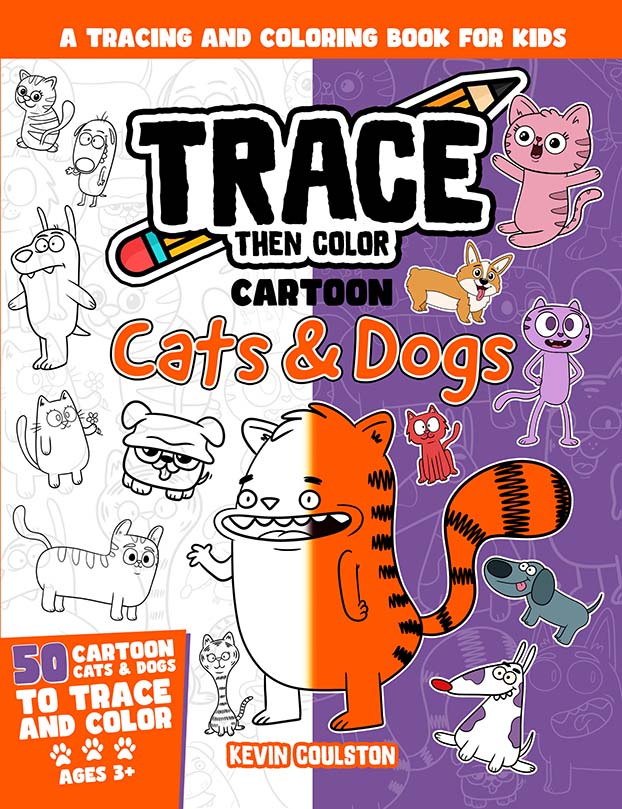
Cats, dogs, hamsters and fish live with people. Pets need us to provide their habitat. Trace Then Color: Cartoon Cats and Dogs is perfect for talking about how we care for pets.
Coloring activities
Add a habitat background
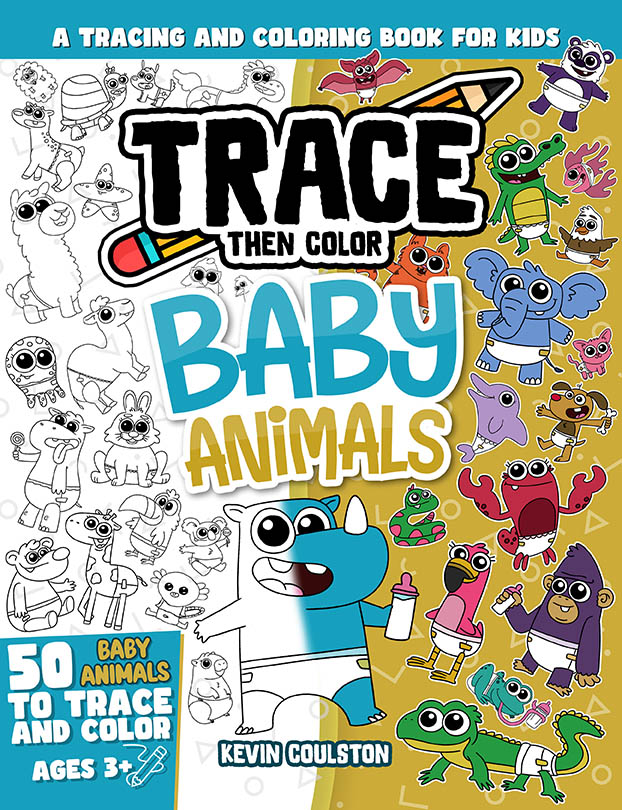
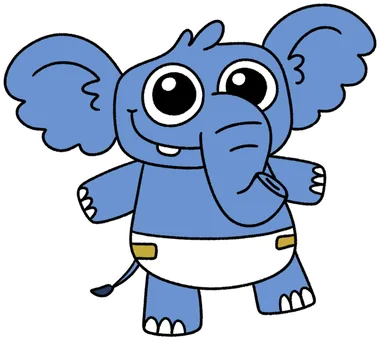
Color an animal, then draw and color its habitat around it. A baby elephant needs grass and a watering hole. A baby penguin needs ice and water. Trace Then Color: Baby Animals has lots of young animals to place in habitats.
Habitat sort
Color several animals, cut them out and sort them onto big sheets labeled ocean, forest, desert and polar.
Wrong habitat game
Put an animal in the wrong habitat, like a fish in the desert, and talk about why it would not work. Kids love the silliness, and it makes the lesson stick.
Habitat colors
Each habitat has its own colors: blues for oceans, greens for forests, sandy yellows for deserts, whites and pale blues for polar regions. Talk about the colors while coloring backgrounds.
Adaptations
Animals have features that help them live in their habitat:
- Polar bears have thick fur and fat to stay warm.
- Camels can go a long time without drinking.
- Fish have gills to breathe underwater.
- Some animals are colored to blend in with their habitat.
See camouflage and animal colors.
Questions parents ask
What age can kids learn about habitats?
Preschoolers can learn simple habitats like ocean, forest and farm. Older kids can learn about adaptations and food chains.
Do penguins and polar bears live together?
No. Penguins live mostly in the Southern Hemisphere and polar bears in the Arctic. It is a fun fact kids love.
How can we learn more?
Visit a zoo, aquarium or nature center, and read nonfiction picture books about animals.

About Kevin Coulston
Kevin Coulston is a cartoonist and member of the National Cartoonists Society who has written and illustrated more than 100 drawing, tracing and coloring books for kids, including the Trace Then Color series. Meet Kevin or browse all his books on FirstArtBooks.com.