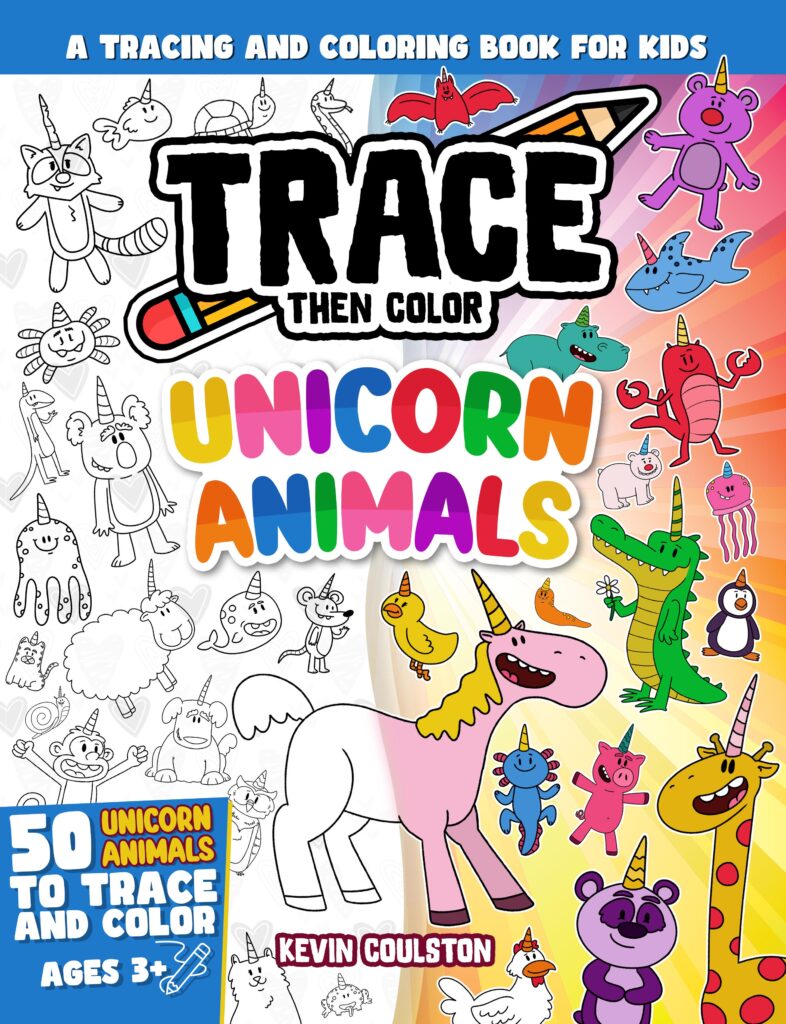
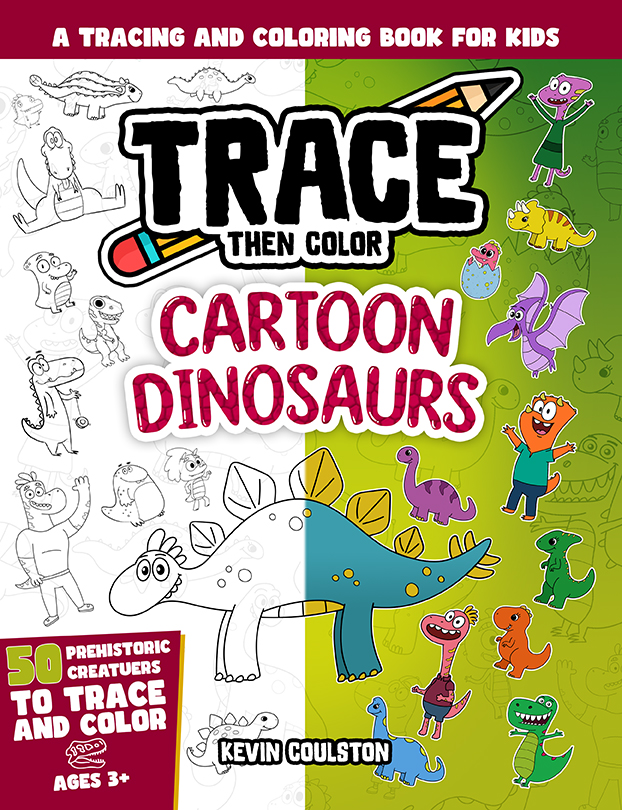
Children are natural storytellers. Give them a character and they will often invent a whole world. Coloring is a perfect starting point: once a child has colored a character, they have already started imagining who it is.
Storytelling builds language, sequencing, imagination and, later, reading comprehension and writing skills.
Story questions
Ask a few questions while your child colors:
- Who is this? Name, age, where they live.
- What do they want? A snack, a friend, to fly, to find something lost.
- What’s the problem? Something gets in the way.
- What happens next?
- How does it end?
That is the basic shape of every story: character, goal, problem, solution.
Story activities
Character card
After coloring, write the character’s name and three facts on the page.
Comic strip
Fold a page into three or four boxes. Color the character in the first box and draw or tell what happens in each next box. Comic strips build sequencing skills: beginning, middle, end.
Story stones, paper version
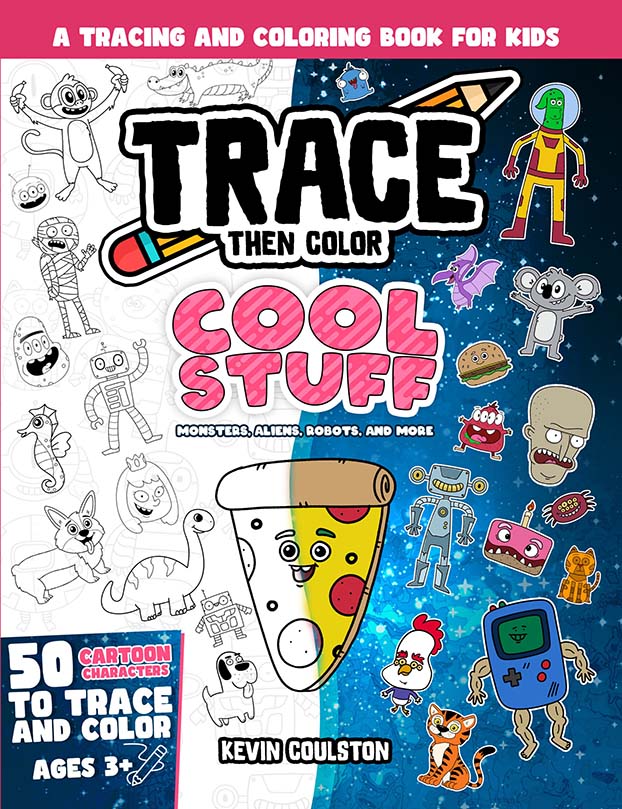
Color several small characters, cut them out and put them in a bag. Pull out two or three and tell a story that includes them all. A book with lots of different characters, like Trace Then Color: Cool Stuff, gives you a huge mix of monsters, aliens and robots.
Family storybook
Color characters over a week and staple them into a book. Your child tells the story and you write the words.
Silly food adventures
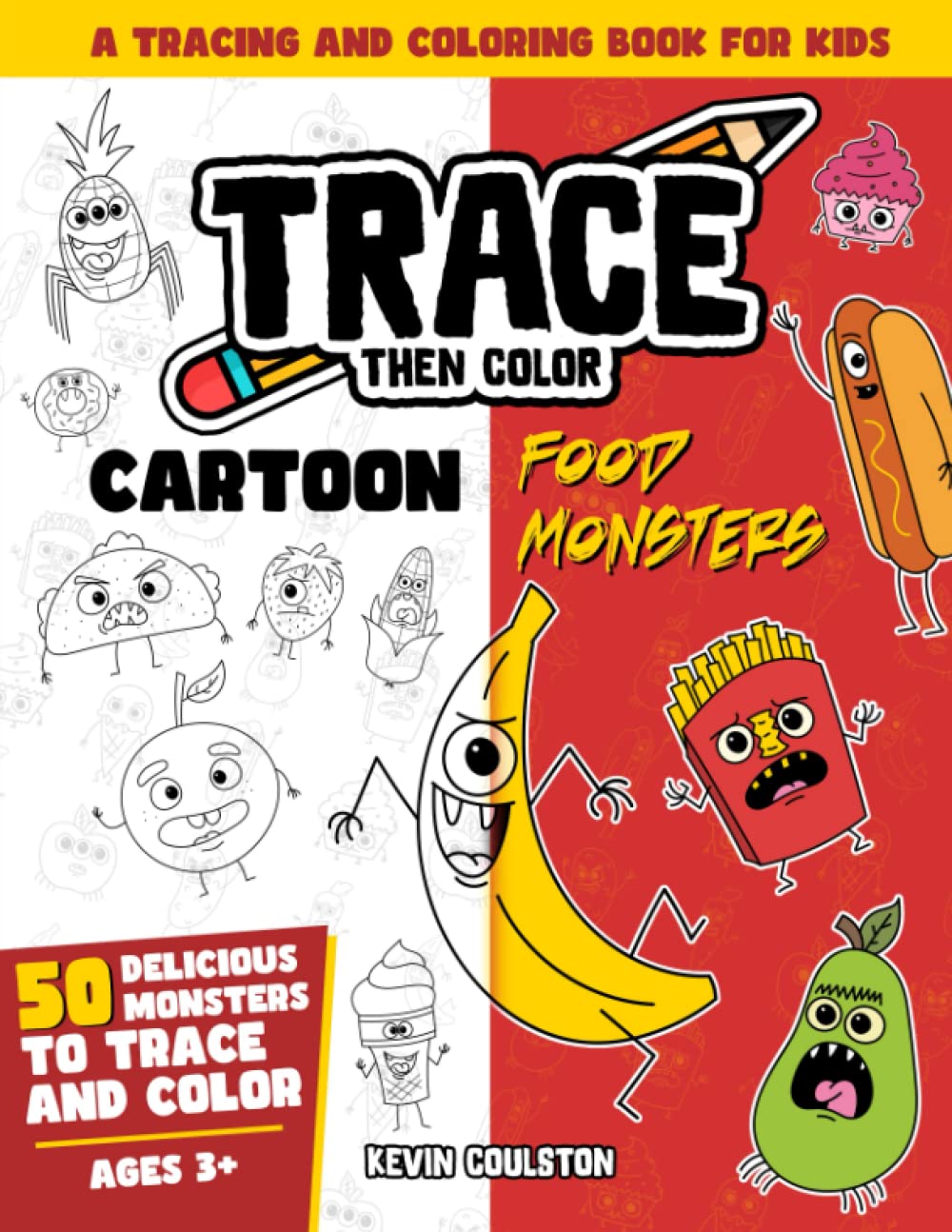
Food characters invite silly stories: "The pizza wanted to go to the beach, but it was scared of the seagulls." Trace Then Color: Cartoon Food Monsters is great for this.
People stories
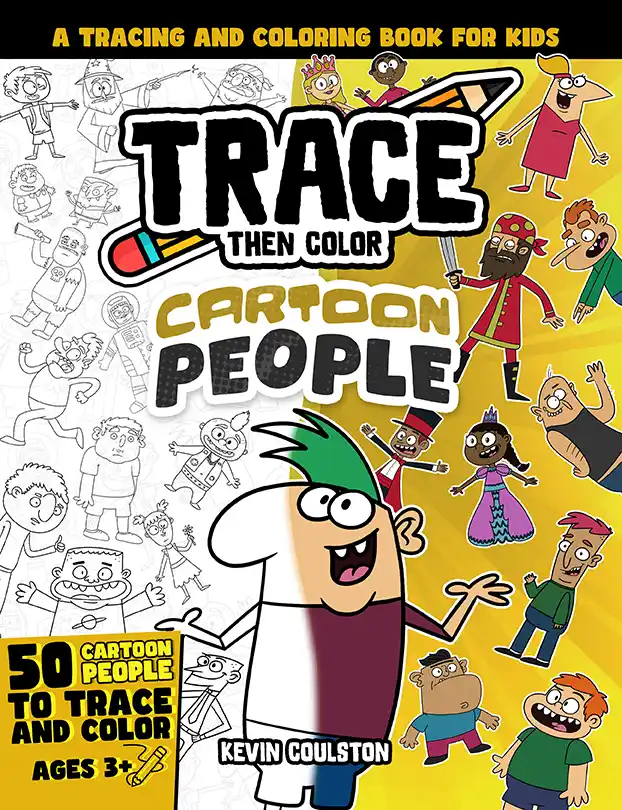
People characters invite stories about everyday life: school, friends, families. Trace Then Color: Cartoon People gives kids characters to build stories around.
Story starters
- "One morning, this monster woke up and found..."
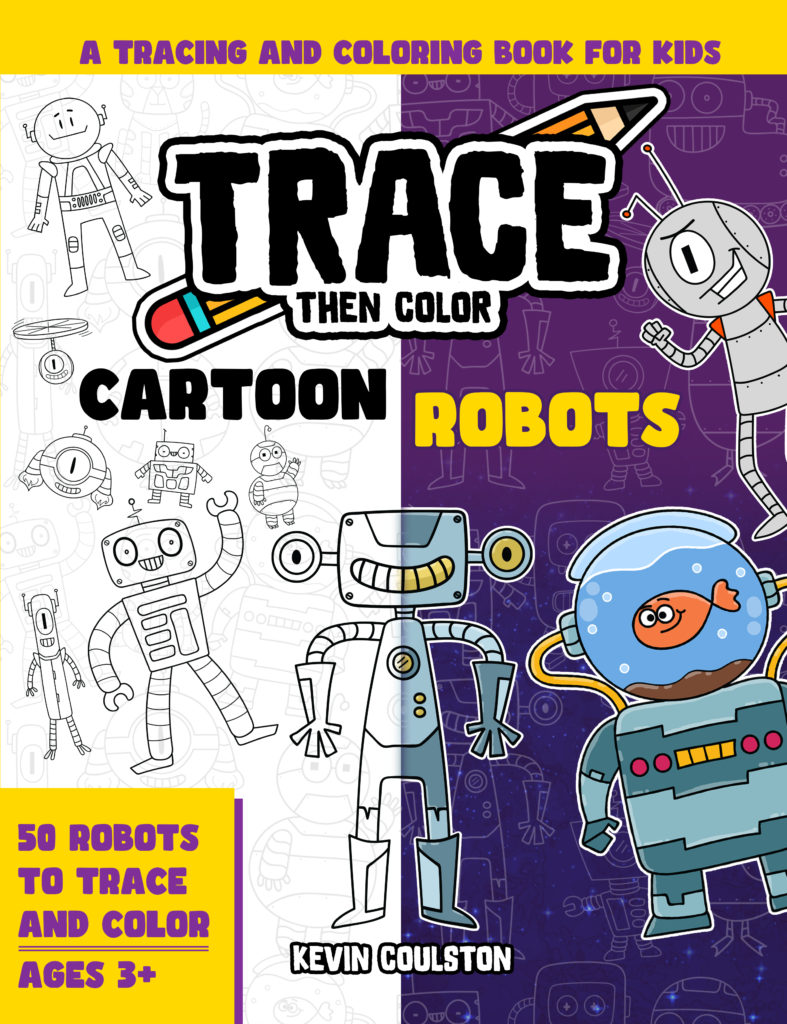
- "Nobody believed the robot could..."
- "The alien landed in our backyard and asked for..."
- "The grumpy dog was grumpy because..."
Writing for older kids
School-age children can write their own stories beside their colored pictures. Start with one sentence and build up. Drawing or coloring first often makes writing easier, because the child has already imagined the scene.
Don’t correct the story
Kids’ stories can be wonderfully strange. Resist the urge to fix plot holes. Ask questions instead: "How did the dog get to the moon?"
Questions parents ask
At what age can kids tell stories?
Many 3-year-olds tell simple stories; by 5 or 6 they can usually include a beginning, middle and end.
My child’s stories go on forever. How can I help them end?
Ask, "How does the story end?" or set up a problem with a clear solution.
Does storytelling help with reading?
Yes. Understanding story structure helps kids understand and remember what they read.
About Kevin Coulston
Kevin Coulston is a cartoonist and member of the National Cartoonists Society who has written and illustrated more than 100 drawing, tracing and coloring books for kids, including the Trace Then Color series. Meet Kevin or browse all his books on FirstArtBooks.com.