Special education classrooms hold a wide range of learners, and coloring is one of the few activities that can be adapted for nearly all of them. It can target fine motor goals, support regulation, open up communication and give students a finished piece of work to be proud of.
What coloring can support
- Fine motor goals. Grip, pressure and controlled movement.
- Visual-motor skills. Seeing a boundary and staying near it.
- Regulation. A calm, repetitive task during or after big feelings.
- Communication. Choosing colors, naming characters, telling a story about the page.
- Task completion. A clear start and finish.
Adapting the page
| Need | Adaptation |
|---|---|
| Low vision | Thick, bold outlines and high-contrast paper |
| Motor planning | Large shapes, fewer small details |
| Attention | Simple pages that can be finished in 5 to 10 minutes |
| Sensory sensitivity | Quiet tools, no strong-smelling markers |
| Grip challenges | Chunky crayons, triangular pencils, pencil grips |
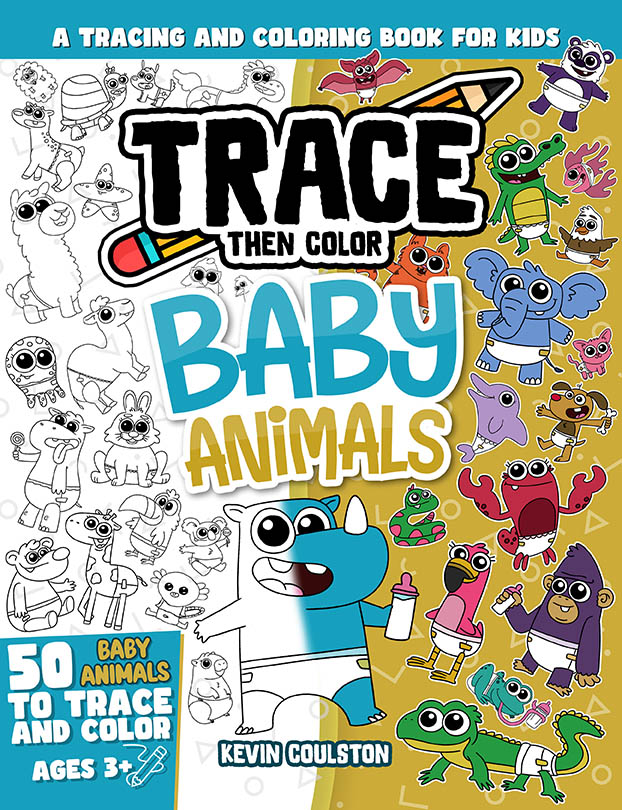
Pages with big, simple characters, like those in Trace Then Color: Baby Animals, are easier to start than detailed scenes.
Adapting the tools
- Chunky or triangular crayons for an easier grip
- Slant boards to bring the page closer and improve wrist position
- Tape the page down so it doesn’t slide
- Short colored pencils, which encourage a pinch grip
- Dot markers for students still building control
Trace first, then color
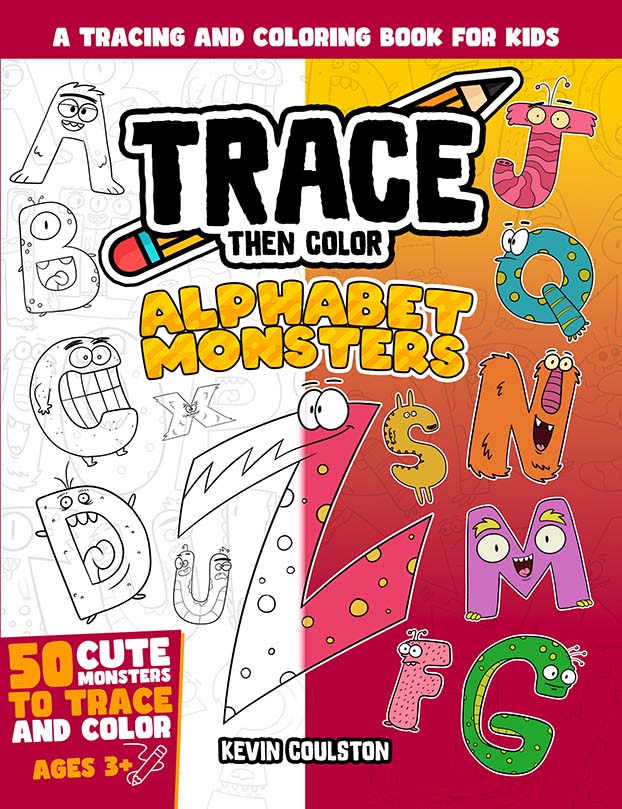
Tracing dotted lines before coloring gives a clear, step-by-step task. Trace Then Color: Alphabet Monsters pairs each letter with a character, so one page covers handwriting practice and coloring. For more on the benefits, see why tracing then coloring works.
Celebrate effort, not neatness. A student who colored for five minutes when yesterday they managed two has made real progress.
Coloring and regulation
Many students use coloring as a calm-down tool. Keep a few pages in a calm corner, and see coloring for anxious kids for ideas.
Questions teachers ask
Should coloring be part of an IEP goal?
It can support fine motor or task-completion goals. Work with the occupational therapist and IEP team to decide how.
What if a student scribbles over the whole page?
That’s fine. Scribbling is real work for many learners. Model one color in one shape and let them build from there.
How long should sessions be?
Short. Five to ten minutes is plenty for many students. End before frustration starts.

About Kevin Coulston
Kevin Coulston is a cartoonist and member of the National Cartoonists Society who has written and illustrated more than 100 drawing, tracing and coloring books for kids, including the Trace Then Color series. Meet Kevin or browse all his books on FirstArtBooks.com.