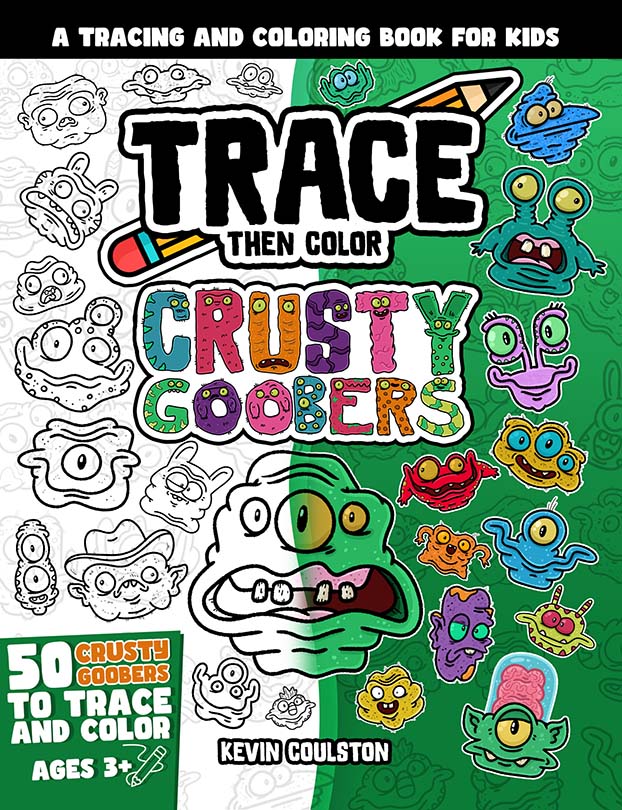
Speech-language pathologists often use coloring in sessions. It’s motivating, works for many goals and creates natural chances to practice speech and language. Parents can use the same ideas at home, ideally guided by their child’s therapist.
Articulation practice
- Color for a word. Say the target sound or word, then color one part.
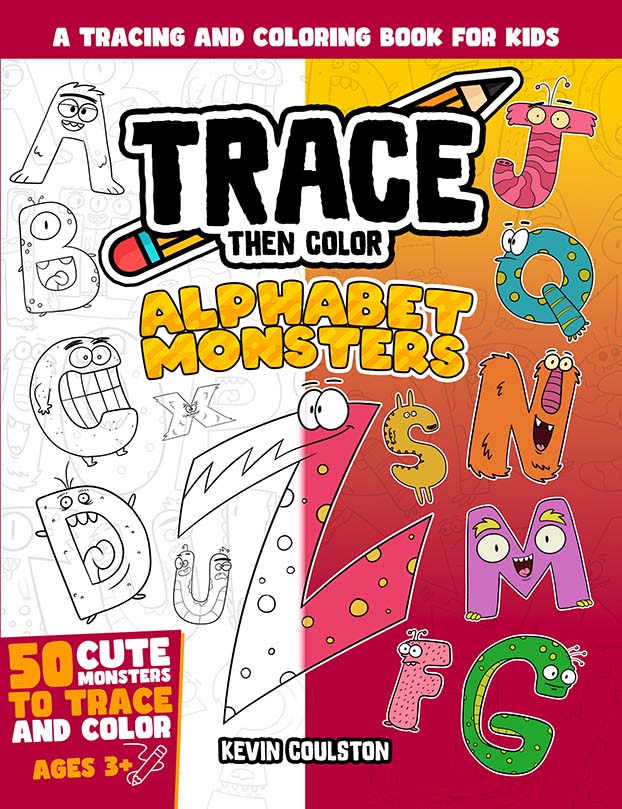
- Sound-themed pages. Practicing /m/? Color monsters. Trace Then Color: Alphabet Monsters pairs letters with characters.
- Repetition chart. Color a space for every 5 practice words.
Vocabulary
- Name body parts, clothes and objects.
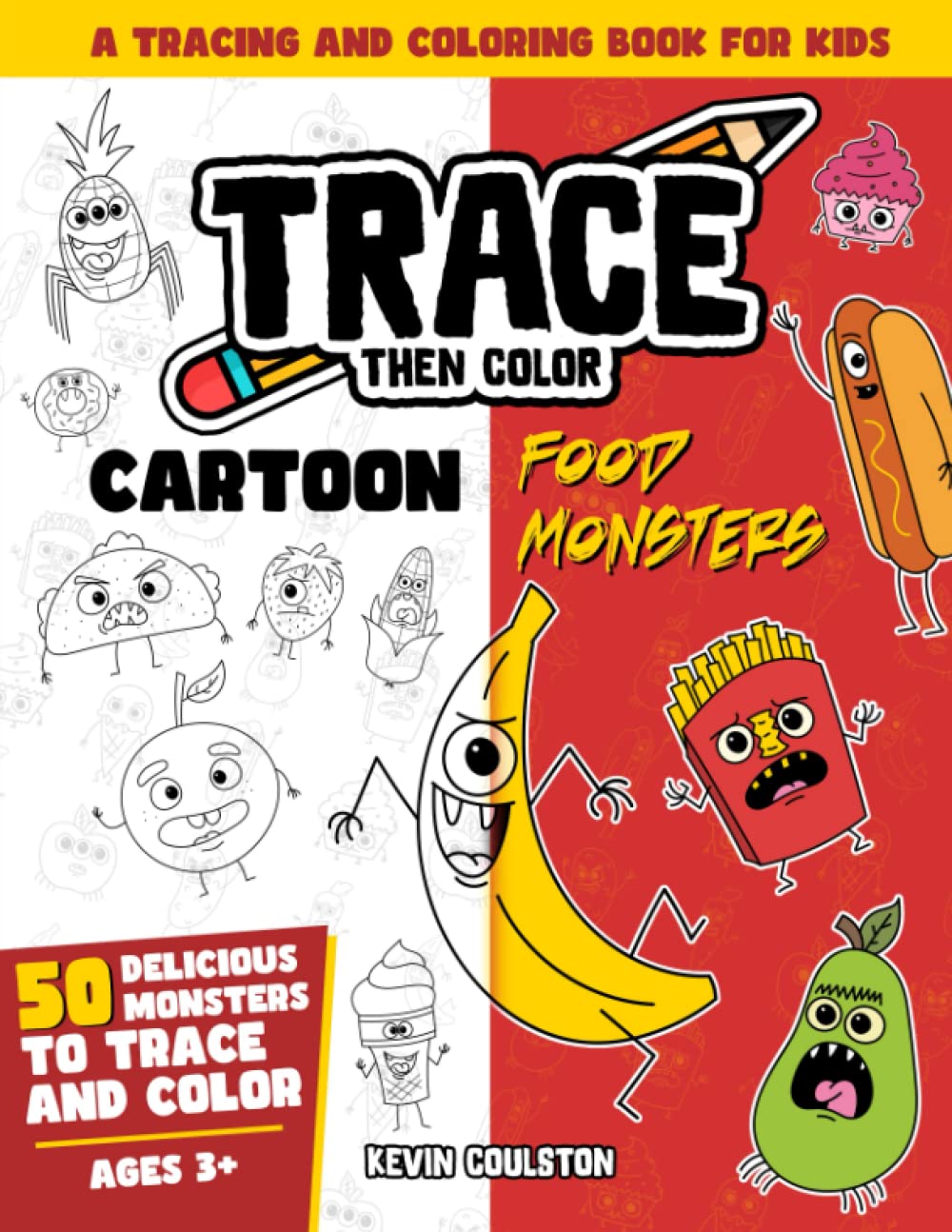
- Food vocabulary with Trace Then Color: Cartoon Food Monsters.
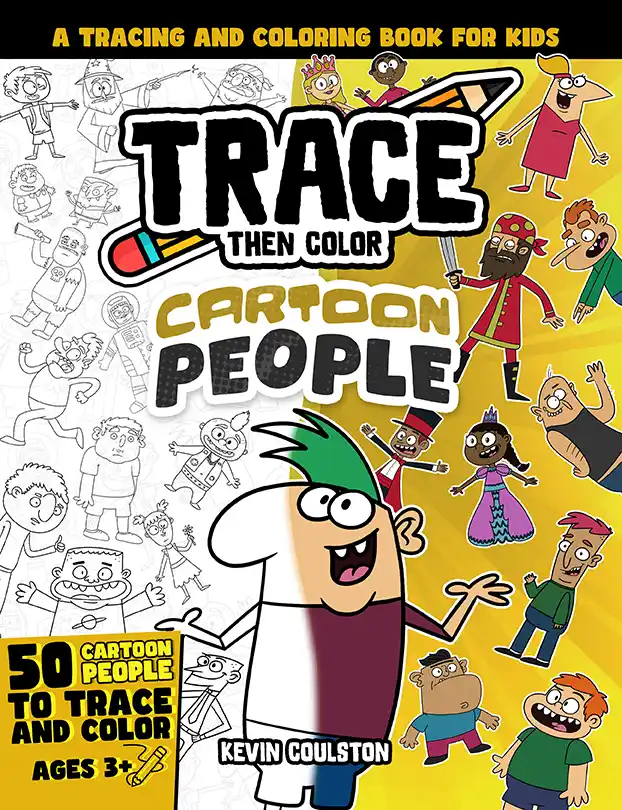
- People and clothing words with Trace Then Color: Cartoon People.
Describing
Describe characters using adjectives: "a big, green, bumpy monster." See describing words coloring.
Following directions
"Color the hat red and the shoes blue." See color by instruction.
Requesting
Children request colors: "Can I have blue, please?" Great for building requests and social language.
Conversation and turn-taking
Take turns choosing colors and talking about pictures.
Questions parents ask
Can I use coloring for speech practice at home?
Yes. Ask your child’s speech therapist for target words and goals.
What if my child doesn’t want to talk while coloring?
Keep it fun and low-pressure; short practice bursts work best.
Does coloring help speech directly?
Coloring itself doesn’t teach speech, but it’s a motivating context for practice.

About Kevin Coulston
Kevin Coulston is a cartoonist and member of the National Cartoonists Society who has written and illustrated more than 100 drawing, tracing and coloring books for kids, including the Trace Then Color series. Meet Kevin or browse all his books on FirstArtBooks.com.