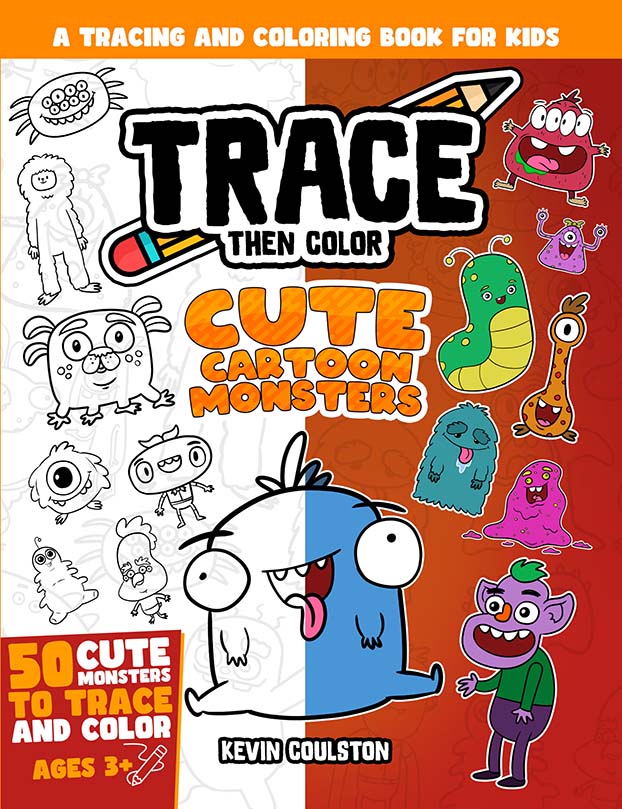
By the time kids reach an after-school program, they’ve followed instructions for six or seven hours. Many need a break before homework or another structured activity. A coloring table gives them one.
Why coloring fits after-school programs
- Decompression. A calm, self-directed activity after a busy day.
- Mixed ages. A five-year-old and a ten-year-old can sit side by side.
- Flexible timing. Kids can join or leave as pickups happen.
- Low staff load. Set it up once and it runs itself.
Keep older kids interested
Older kids often say coloring is "for babies" until they see the right pages. Funny, gross or cool characters change their minds:
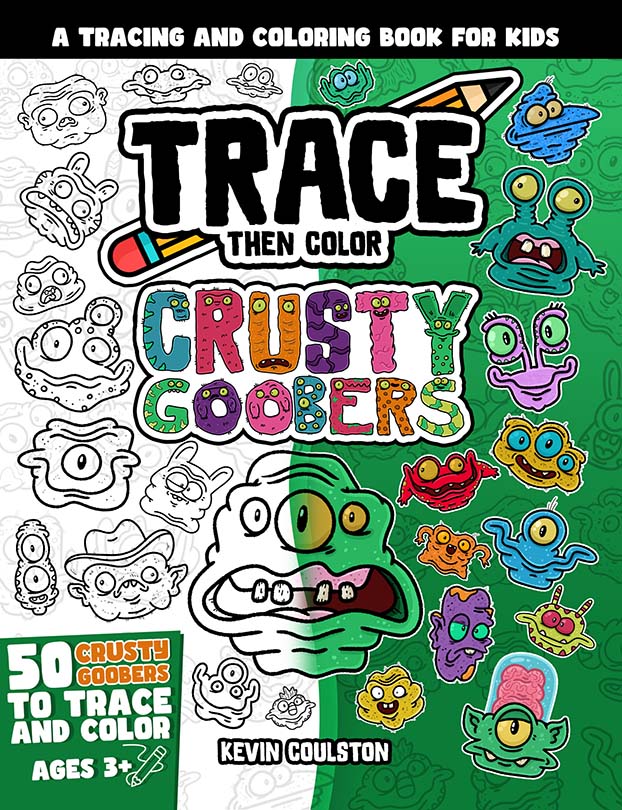
- The goofy creatures in Trace Then Color: Crusty Goobers
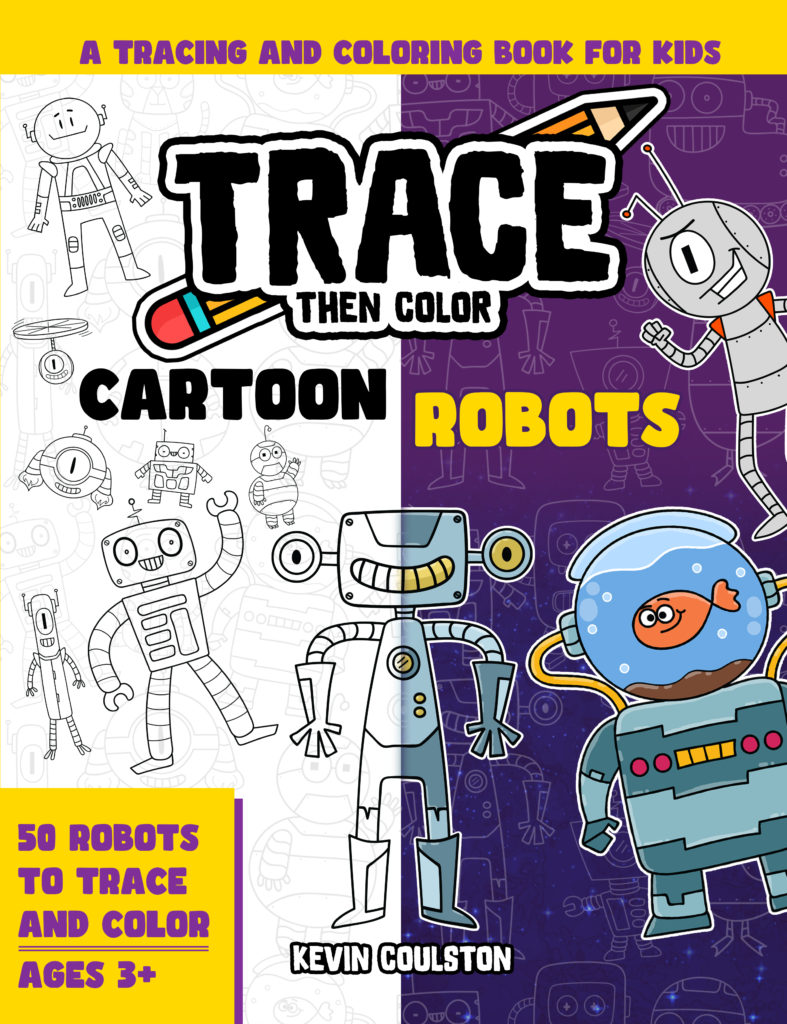
- Gadgets and bots in Trace Then Color: Cartoon Robots
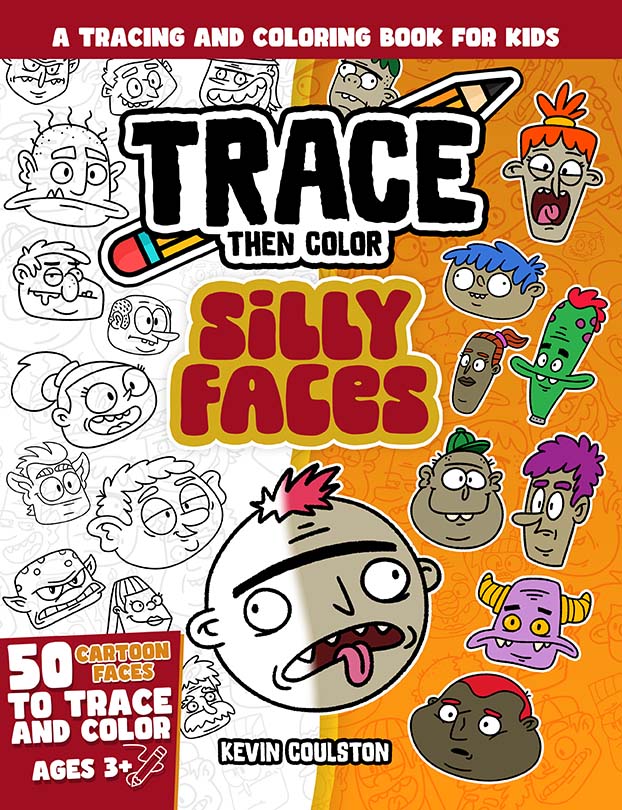
- Silly expressions in Trace Then Color: Silly Faces
See coloring for tweens for more ideas.
A simple afternoon flow
- Snack and chat
- Free choice, with coloring as one option
- Homework time, with coloring as the reward for finishing
- Coloring or quiet play until pickup
Activity ideas
- Color and trade. Kids color a character and trade it with a friend.
- Name and story. Give each character a name and a one-line story.
- Weekly gallery. Hang the week’s pages on Friday.
- Collaborative poster. Everyone colors one character for a group poster.
Pickup time is easier when kids are calm. Moving to coloring 15 minutes before pickup can make transitions much smoother.
Questions staff ask
How do we stop supplies from walking off?
Use labeled bins and do a quick count at cleanup. Kids can help.
What about kids who only want to color?
That’s fine on some days. Offer it as part of a balanced schedule.
Can coloring help with homework?
Coloring can be a reward after homework, and a short coloring break can help a restless child refocus.

About Kevin Coulston
Kevin Coulston is a cartoonist and member of the National Cartoonists Society who has written and illustrated more than 100 drawing, tracing and coloring books for kids, including the Trace Then Color series. Meet Kevin or browse all his books on FirstArtBooks.com.