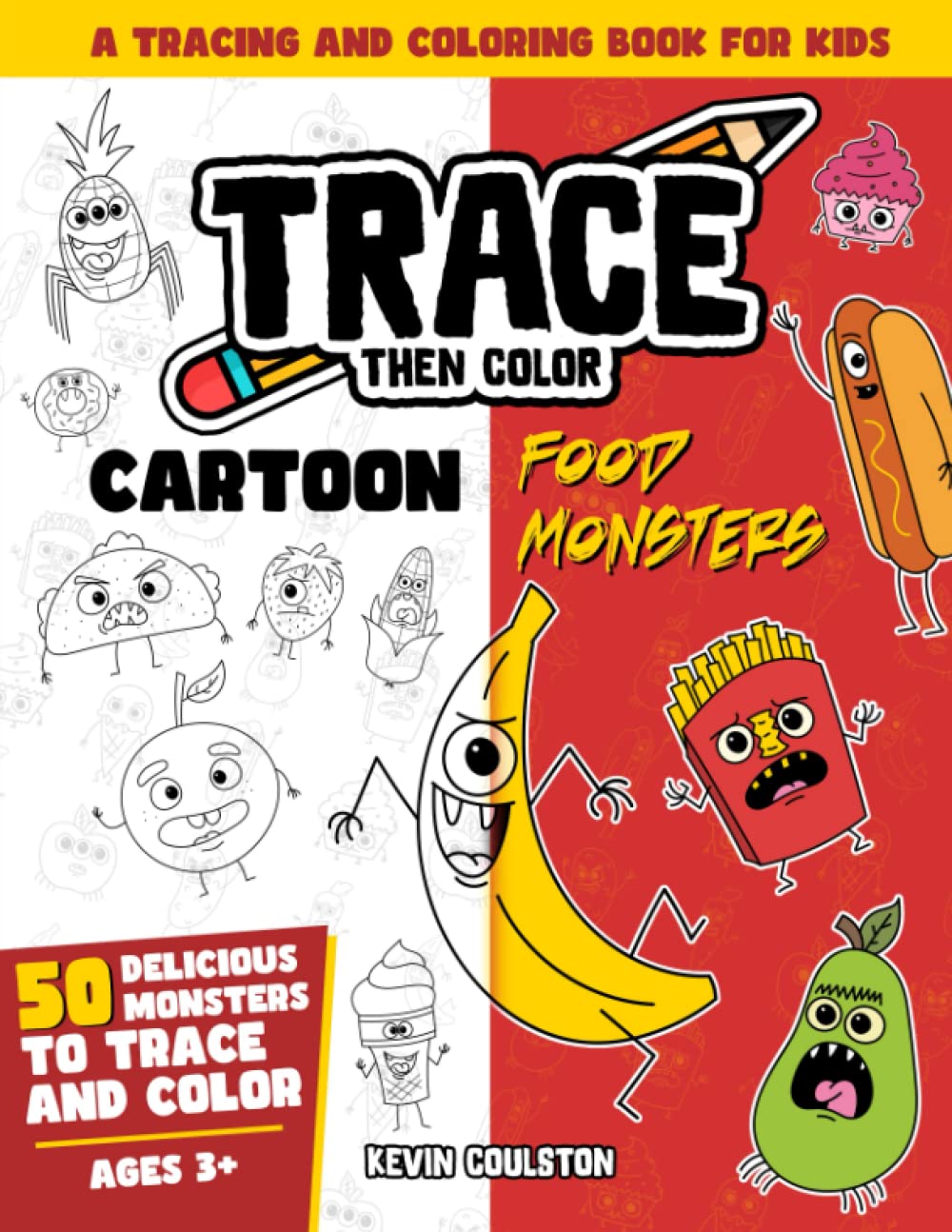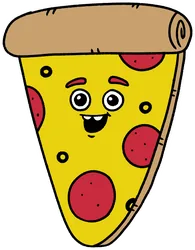
A broccoli with googly eyes. A slice of pizza with an attitude. Food monster pages make kids laugh, and laughing about food can make talking about it easier.
Why food monsters work
- Funny. Food with faces is silly by nature.
- Familiar. Kids know these foods and have opinions about them.
- Conversation starters. Coloring a carrot monster can lead to "Have you ever tried a purple carrot?"
Talking about food
- Colors of food. Talk about eating a rainbow of fruits and veggies.
- Real vs silly colors. Color it realistic first, then a silly version.
- Where food grows. Trees, vines, underground.
- Treats and everyday foods. A simple, non-judgmental way to sort them.
Picky eaters
Coloring won’t make a child eat broccoli, but it can make broccoli feel less strange. Some families color a food monster, then look at the real food together, no pressure to eat it.
Pages to try
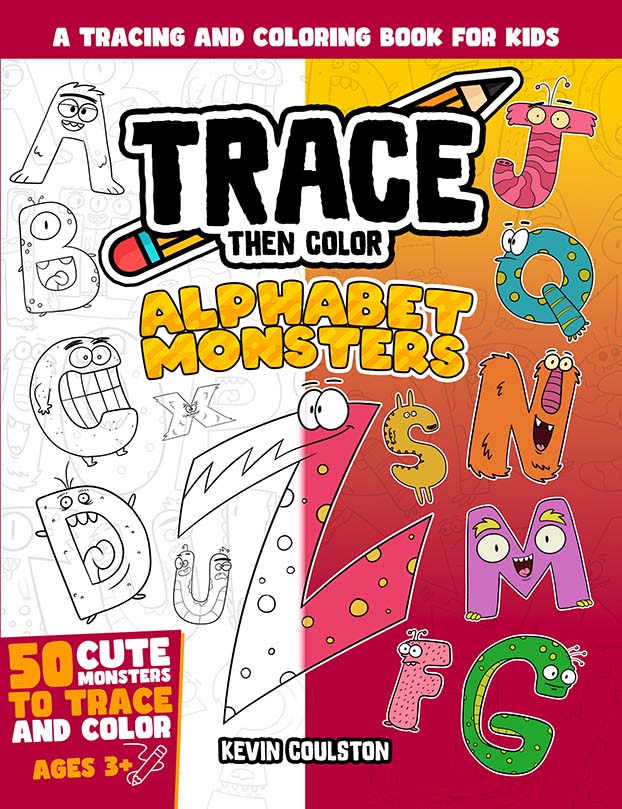
Trace Then Color: Cartoon Food Monsters has fruits, veggies, snacks and treats with silly faces and personalities.
Food monster activities
- Menu. Color a monster meal and write a menu.
- Grocery game. Find the real foods at the store.
- Food feelings. Is the pizza monster happy or grumpy? Why?
- Kitchen helpers. Color, then help make a snack.
See coloring across the curriculum.
Keep it fun, not a lesson. Laughing together is the main goal.
Questions parents ask
Will coloring help my picky eater?
It can make foods feel more familiar, but it’s not a cure. Keep it pressure-free.
What age suits food monsters?
Preschool to around age 9 love them most.
Can teachers use food monsters?
Yes, for health lessons, counting and story writing.

About Kevin Coulston
Kevin Coulston is a cartoonist and member of the National Cartoonists Society who has written and illustrated more than 100 drawing, tracing and coloring books for kids, including the Trace Then Color series. Meet Kevin or browse all his books on FirstArtBooks.com.