"Turn off the screen" is easy to say and hard to make stick. Kids push back because screens are exciting and the alternative often seems boring. The secret is to make the screen-free option genuinely appealing and easy to start. Coloring is one of the best anchors for a screen-free afternoon.
Why it matters
The American Academy of Pediatrics recommends limiting screen use for young children and encourages families to make a media plan that leaves room for sleep, play, reading and time together. Hands-on activities like coloring build skills that screens don’t: fine motor control, patience and self-directed focus.
Set it up before you need it
- A coloring station that’s always ready: table, crayons, pages. See set up a coloring station at home.
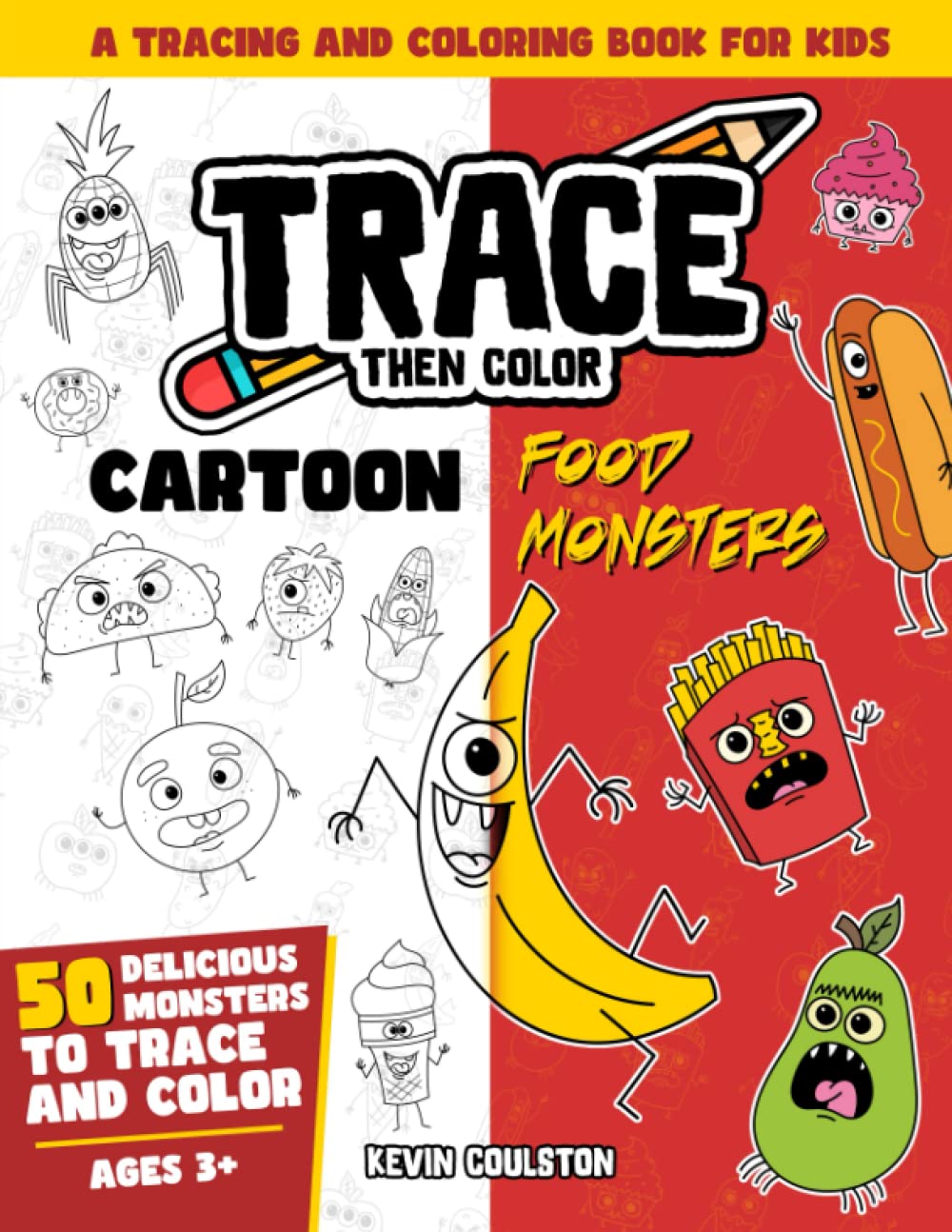
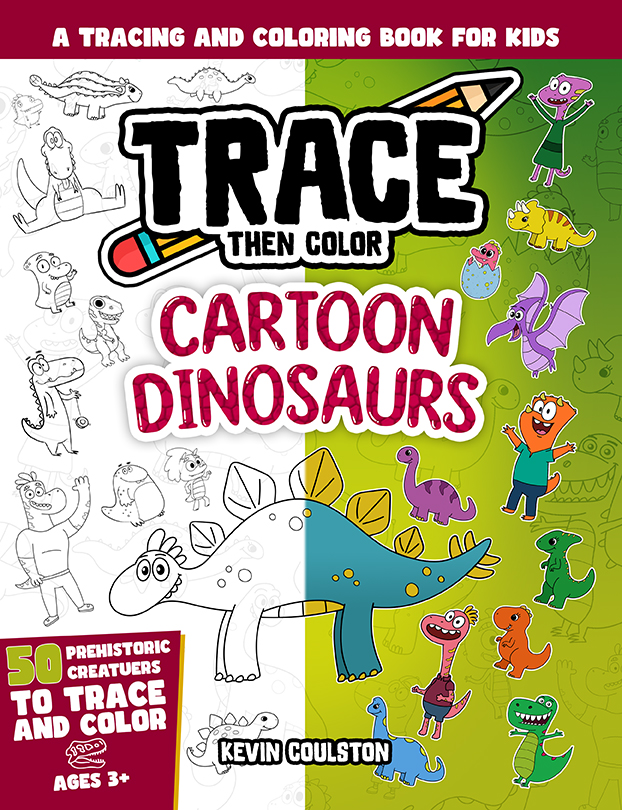
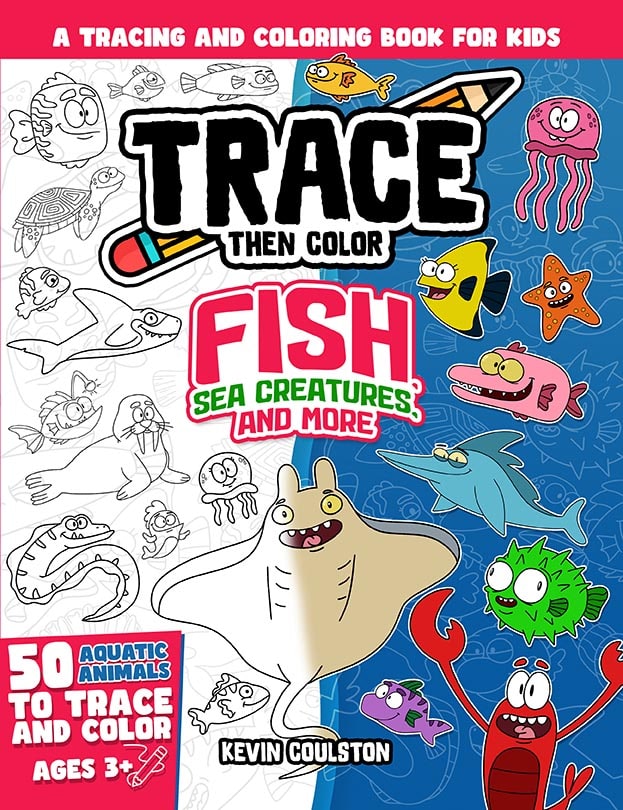
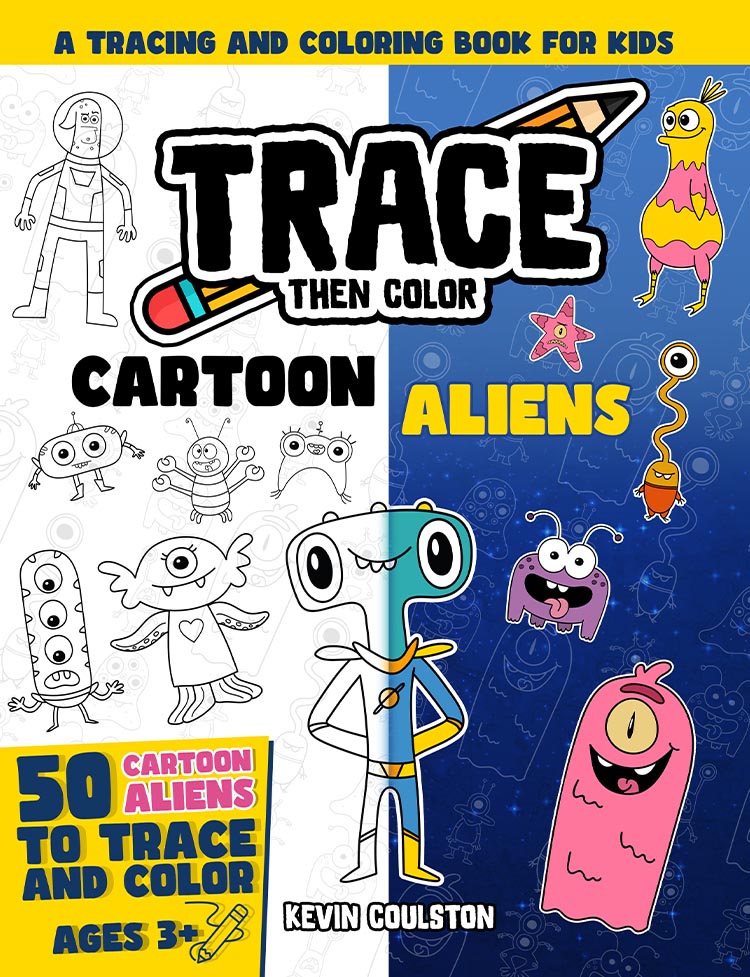
- A new book saved for screen-free time. Novelty is powerful. A silly book like Trace Then Color: Cartoon Food Monsters or a dinosaur book like Trace Then Color: Cartoon Dinosaurs can compete with a show.
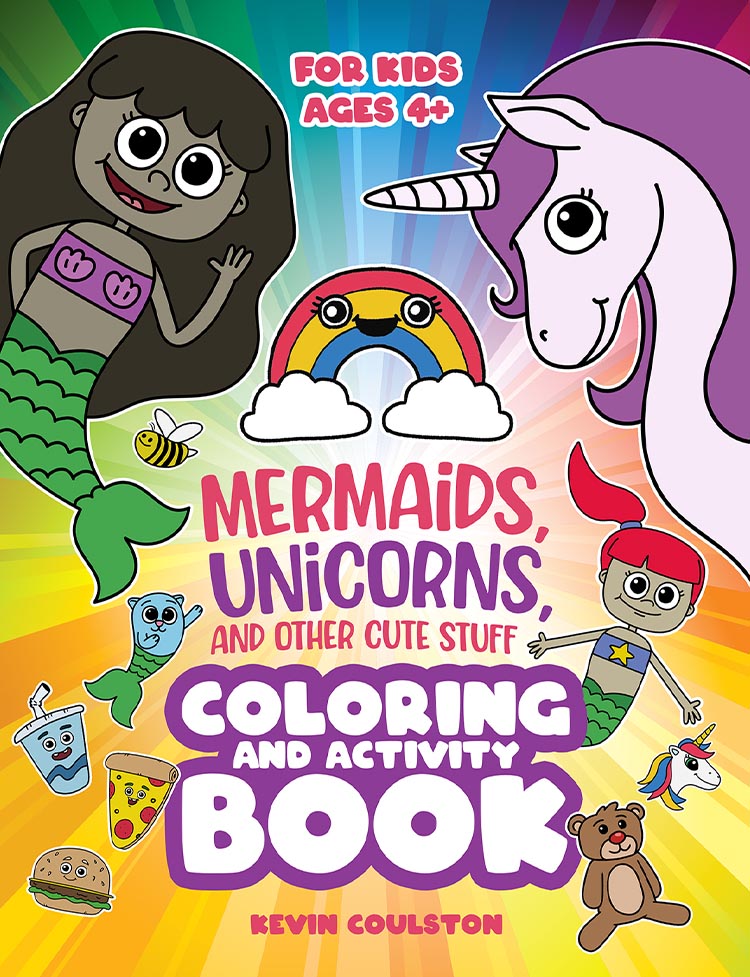
- Variety. Coloring plus puzzles and mazes, like the Mermaids, Unicorns and Other Cute Stuff Coloring and Activity Book.
A sample afternoon
- 3:00 Snack and chat
- 3:20 Outdoor play or movement
- 4:00 Coloring and audiobook at the coloring station
- 4:45 Free play
- 5:30 Help with dinner
Adjust to your family. The key is a predictable rhythm.
What to say
- "Screens are done for today. Want to color the new dinosaur book with me?"
- "Let’s do a coloring challenge: rainbow T. rex!"
- Avoid framing coloring as a punishment for screen time.
Color with them at first
The first few minutes matter. Sit down and color too. Once kids are absorbed, you can step away.
Tips for resisters
- Start small. One screen-free hour, not a whole day.
- Offer choice. Coloring, building or reading?
- Add audio. Audiobooks and music make coloring feel special. See pairing coloring with read-alouds.
- Be consistent. Resistance usually fades as the routine settles.
Model it
Kids notice when adults are on phones. Put yours away during screen-free time and color, read or cook alongside them.
Questions parents ask
How much screen time is OK?
The AAP suggests avoiding screens (other than video chat) for children under about 18 months, limiting to around one hour of high-quality content for ages 2 to 5, and setting consistent limits for older kids.
My child gets bored without screens. What should I do?
Boredom is OK. It often leads to creativity. Have easy options ready, like coloring.
Is coloring on a tablet screen-free?
No. Tablet coloring is still screen time and skips most of the fine motor benefits.

About Kevin Coulston
Kevin Coulston is a cartoonist and member of the National Cartoonists Society who has written and illustrated more than 100 drawing, tracing and coloring books for kids, including the Trace Then Color series. Meet Kevin or browse all his books on FirstArtBooks.com.