Coloring is a daycare staple for good reason: it’s cheap, quiet, builds fine motor skills and gives children something to show their families at pickup. A little planning makes it easier for everyone.
Safe supplies
- Chunky, non-toxic crayons marked AP (approved product) or similar
- Washable markers for preschoolers
- No small caps for children under three, who may put them in their mouths
- Thick paper that won’t tear easily
Setting up for toddlers
Toddlers (about ages 1 to 3) are exploring marks, not staying in lines.
- Tape paper to the table so it doesn’t slide
- Offer 2 or 3 crayons at a time
- Keep sessions short, about 5 to 10 minutes
- Sit with them and name colors as they use them
See coloring with 2-year-olds for more on this stage.
Setting up for preschoolers
Preschoolers (about ages 3 to 5) start filling in shapes.
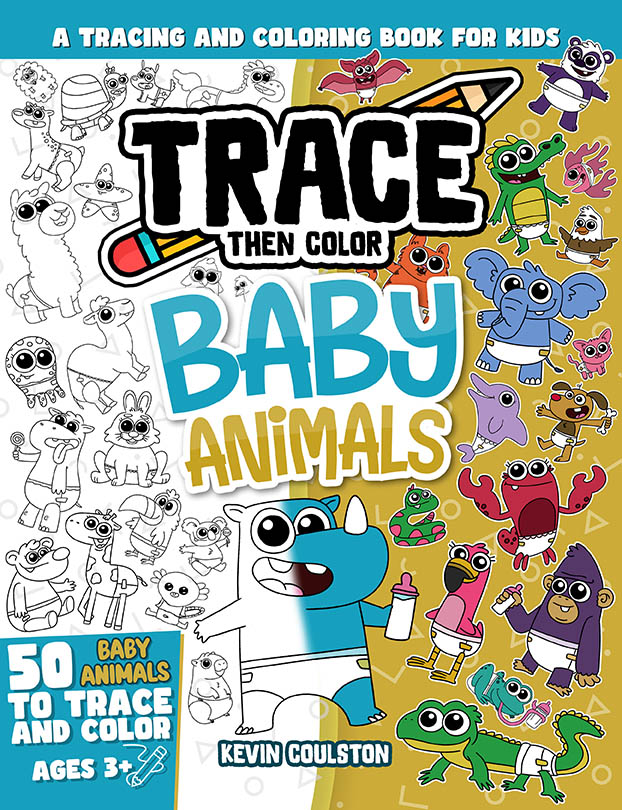
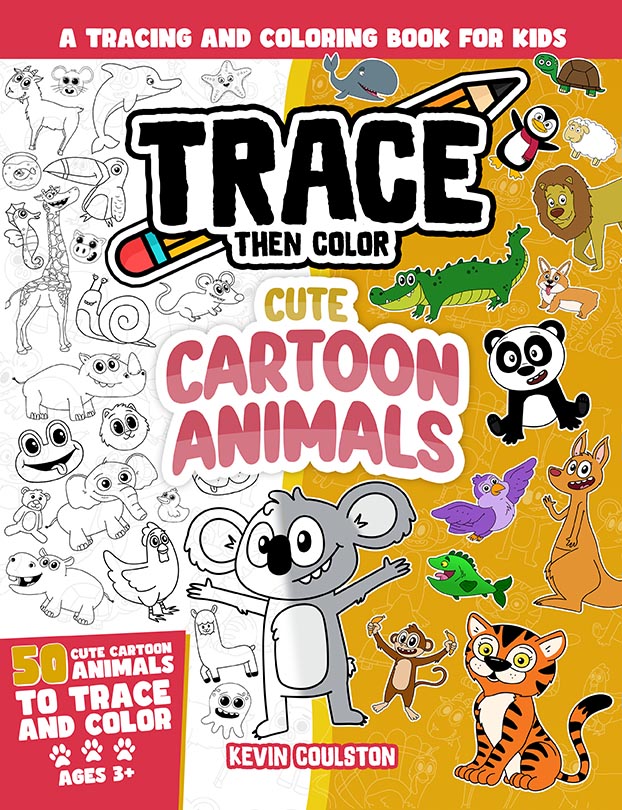
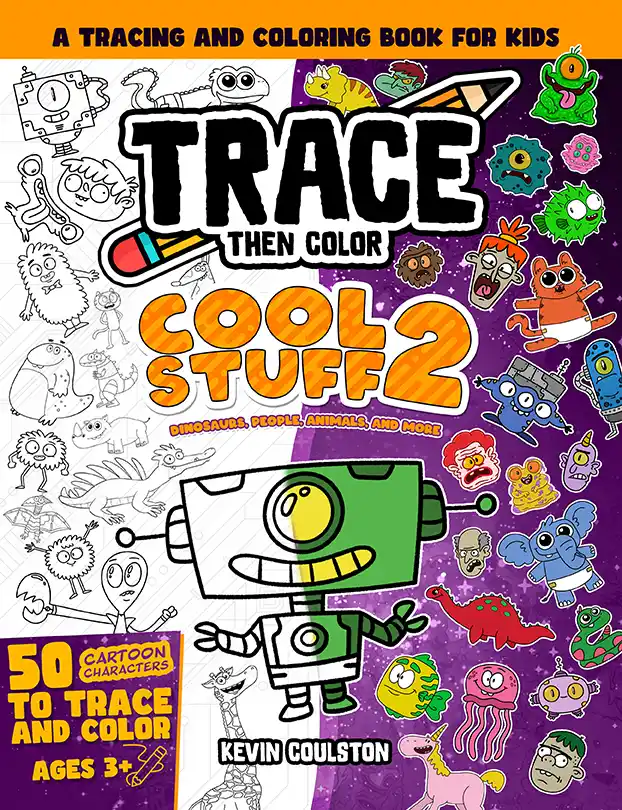
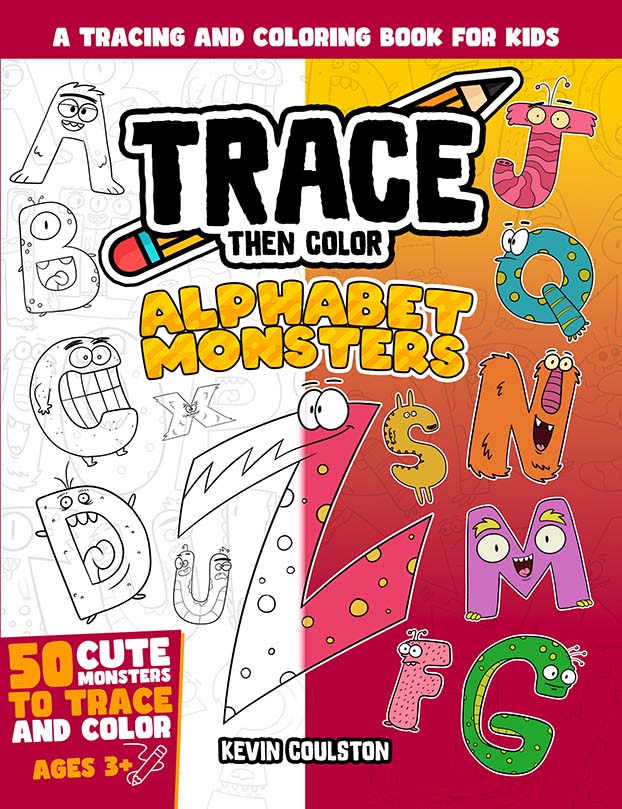
- Big, simple characters, like those in Trace Then Color: Baby Animals or Trace Then Color: Cute Cartoon Animals
- Small group tables of 4 to 6 children
- A choice of crayons, markers and pencils
- A place for finished work to dry and wait for pickup
Managing the mess
- Washable supplies only
- Smocks or old shirts for markers
- Wipes within reach
- A cleanup song so tidying is part of the routine
Simple activities
- Color the animal you saw today. Link to a walk or story.
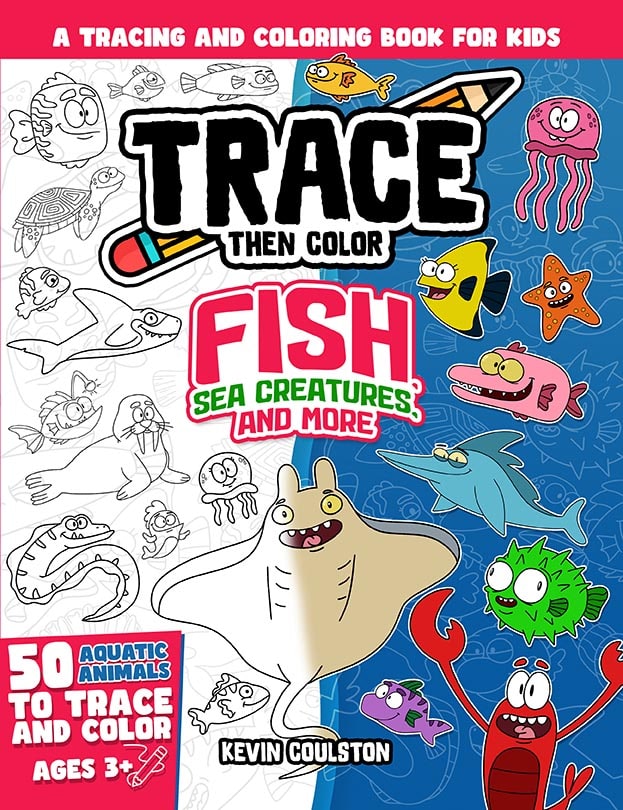
- Under the sea week with Trace Then Color: Fish, Sea Creatures and More
- Color and talk. Ask open questions: "Tell me about your fish."
- Family pages. Send one page home each week.
Write the child’s name and the date on each page. Families love seeing progress over the months.
Questions providers ask
At what age can children start coloring?
Many toddlers start making marks with chunky crayons around 12 to 18 months, always with supervision.
Should we correct how a child holds a crayon?
Not at first. Fist grips are normal for young toddlers. Grip develops with age and practice.
How do we handle children who eat crayons?
Supervise closely, use non-toxic crayons, and redirect calmly. It’s a common phase.

About Kevin Coulston
Kevin Coulston is a cartoonist and member of the National Cartoonists Society who has written and illustrated more than 100 drawing, tracing and coloring books for kids, including the Trace Then Color series. Meet Kevin or browse all his books on FirstArtBooks.com.