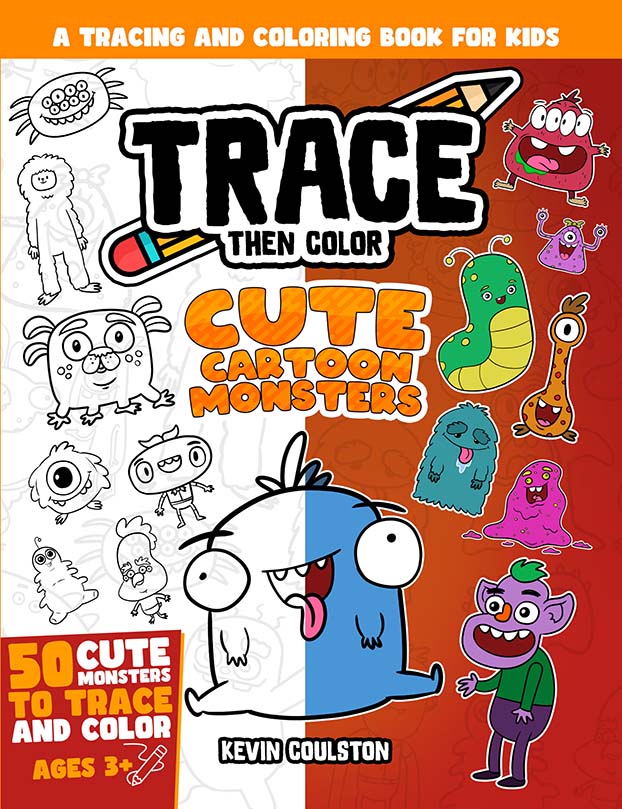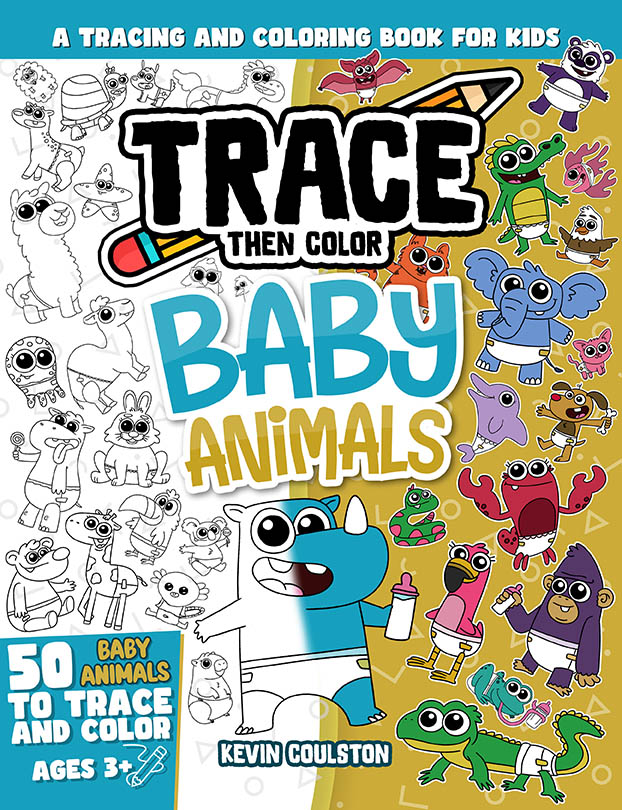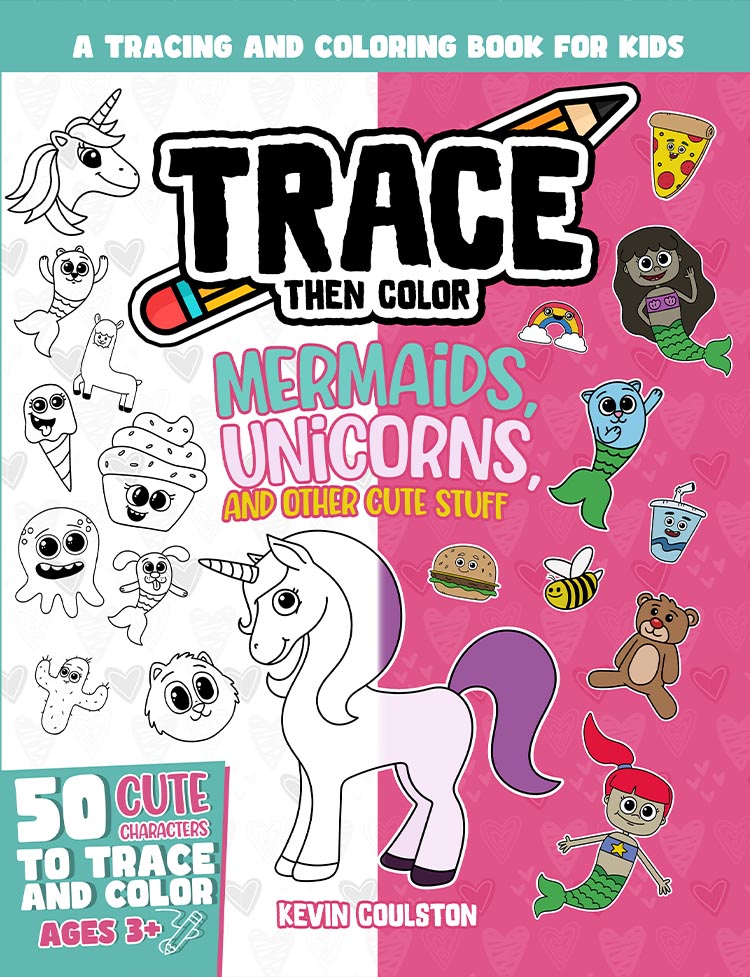
Homeschooling families have the freedom to weave coloring throughout the day. It works for little ones and big kids, for learning and for calm.
Morning time
Many homeschool families start the day with a "morning basket" of read-alouds, poems and songs. Coloring during morning time helps wiggly kids listen. See pairing coloring with read-alouds.
Subject connections
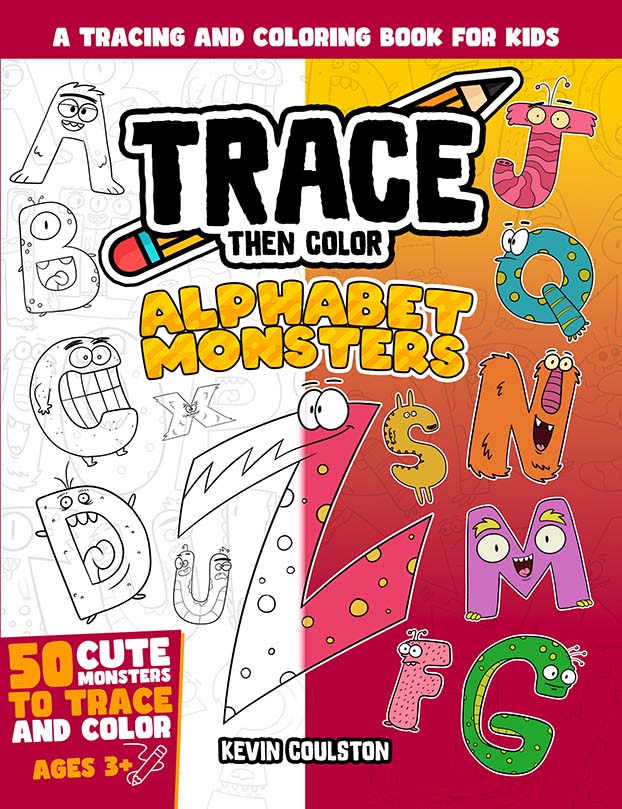
- Literacy: letter pages with Trace Then Color: Alphabet Monsters.
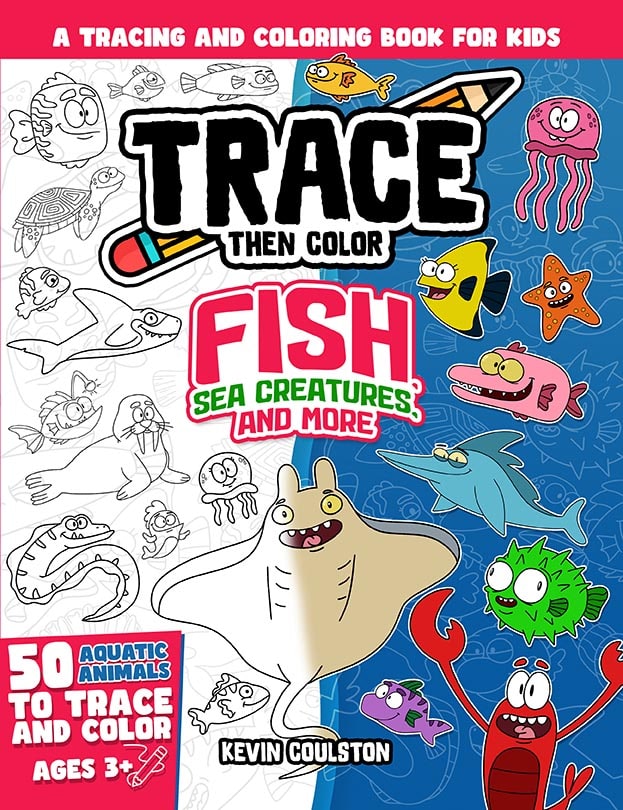
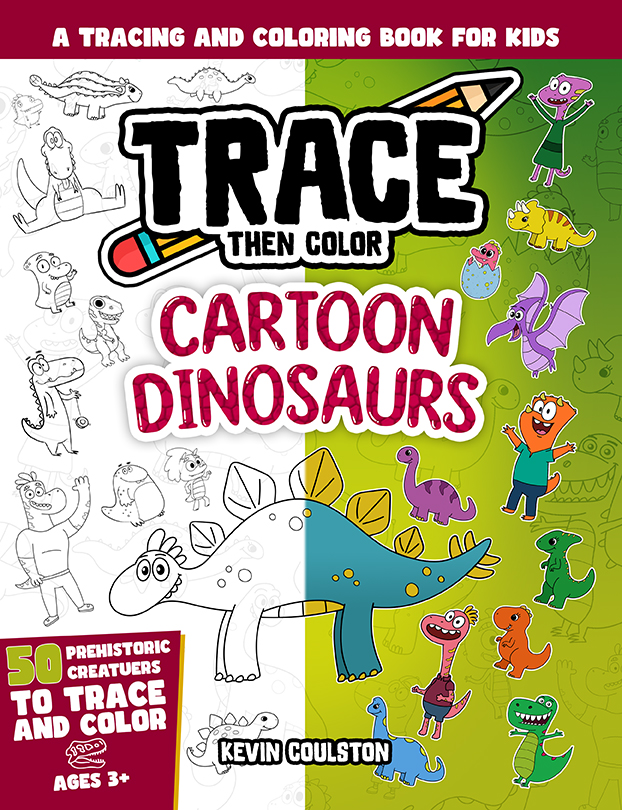
- Science: ocean and dinosaur units with Trace Then Color: Fish, Sea Creatures and More and Trace Then Color: Cartoon Dinosaurs. See ocean science you can color and dinosaur facts.
- Math: counting, shapes and patterns. See count and color.
- Art: color theory and techniques.
Independent work
When teaching one child, give another a coloring page. It’s productive, calm and keeps them nearby.
Transitions
A short coloring break between subjects helps kids reset.
Notebooking
Add colored characters to science and history notebooks alongside written facts.
Multi-age families
Choose pages at different levels on the same theme. See coloring together when kids are different ages.
Questions homeschool families ask
Is coloring "real" school?
Coloring builds fine motor skills, focus and subject knowledge when used with purpose.
How much coloring per day?
Whatever fits. Short sessions sprinkled through the day work well.
Can coloring count as art class?
It can be part of art, along with drawing, painting and crafts.

About Kevin Coulston
Kevin Coulston is a cartoonist and member of the National Cartoonists Society who has written and illustrated more than 100 drawing, tracing and coloring books for kids, including the Trace Then Color series. Meet Kevin or browse all his books on FirstArtBooks.com.