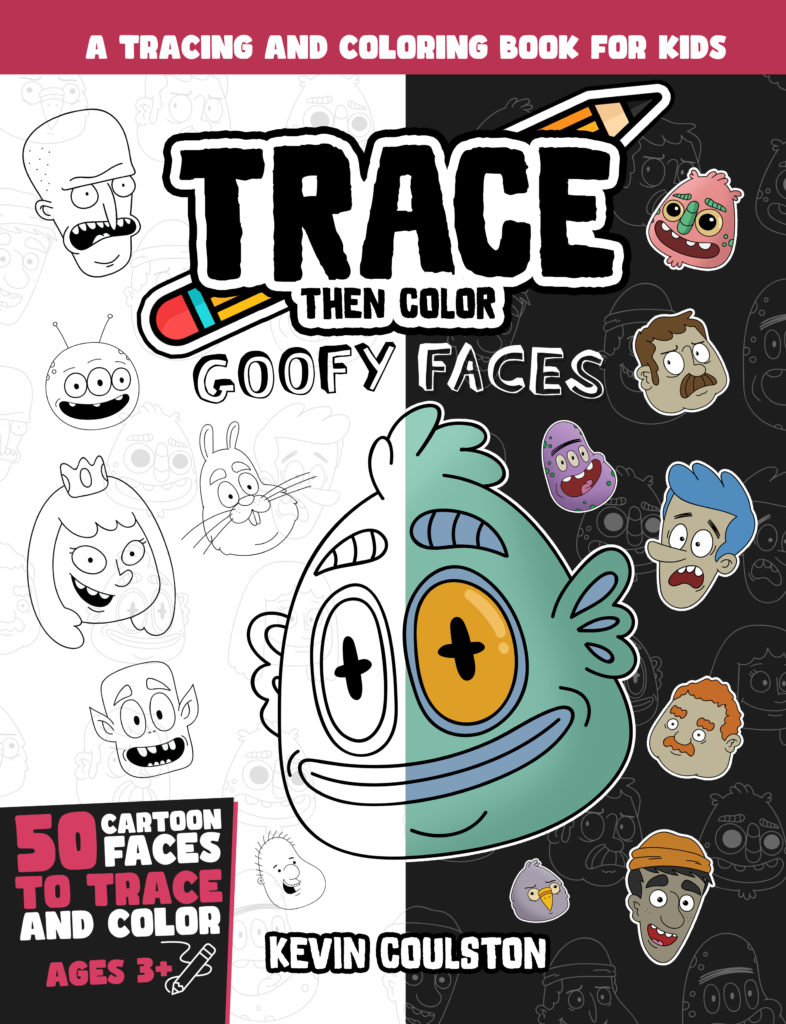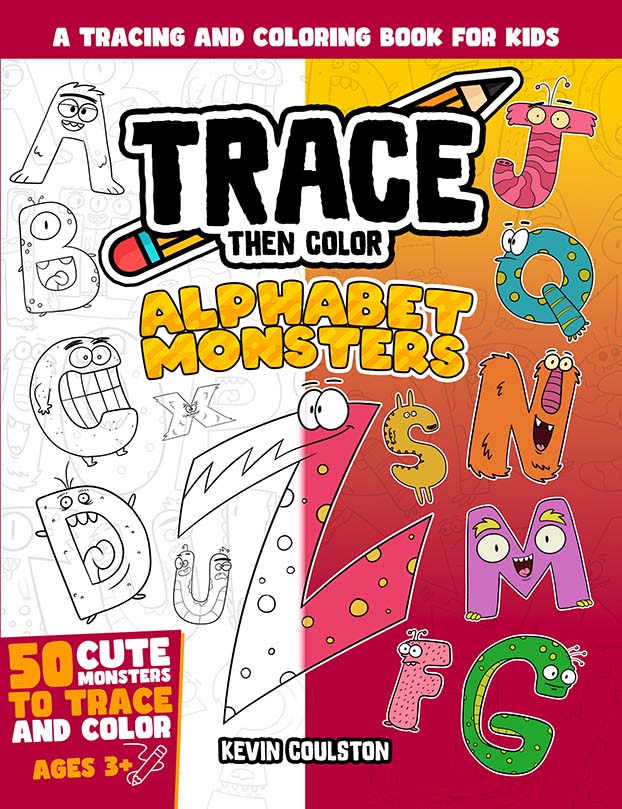
Libraries and schools are always looking for low-cost programs that kids actually want to attend. A coloring club fits perfectly: almost no preparation, cheap supplies, and kids of very different ages can take part together.
Step 1: Pick a time and place
- Weekly or monthly at the same time, so families can plan around it
- 45 to 60 minutes for most age groups
- Tables with space for supplies in the middle
After school and Saturday mornings tend to be popular at libraries.
Step 2: Set up supplies
- Crayons, colored pencils and washable markers in shared bins
- Sharpeners and scrap paper for testing colors
- Printed pages or a stack of coloring books for kids to choose from
- A display board or string line to hang finished work
Step 3: Choose a theme
A monthly theme gives each session a hook:
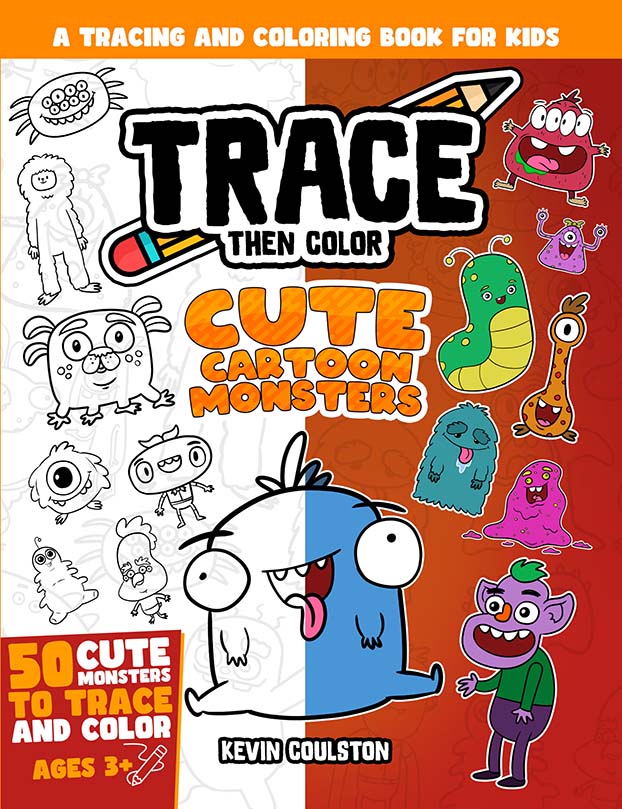
- Monster month with Trace Then Color: Cute Cartoon Monsters
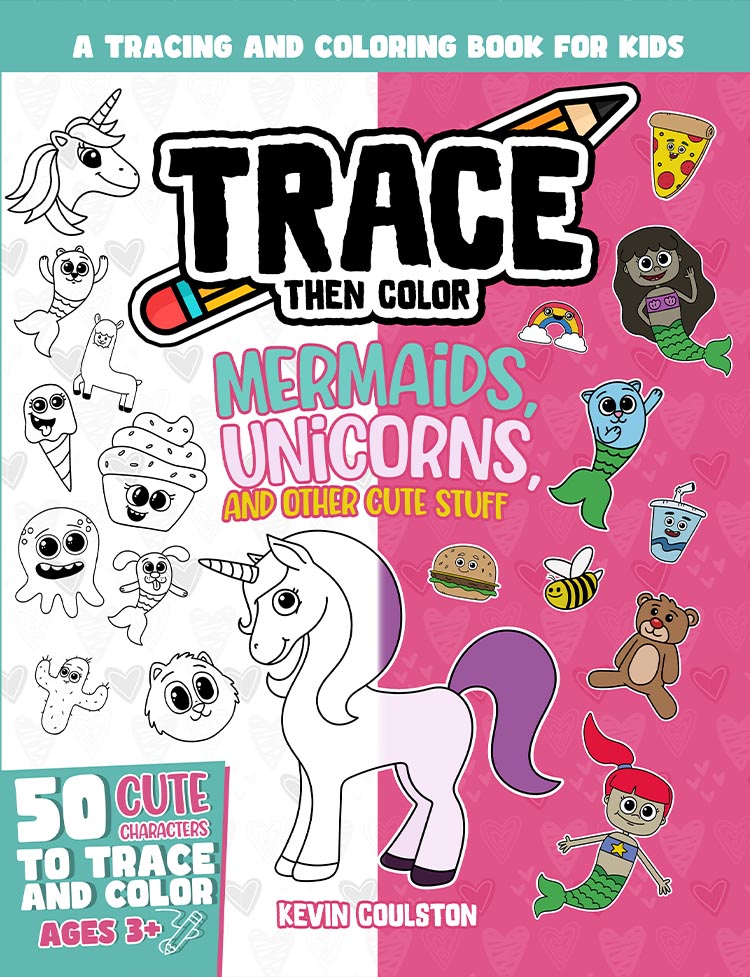
- Mermaids and unicorns with Trace Then Color: Mermaids, Unicorns and Other Cute Stuff
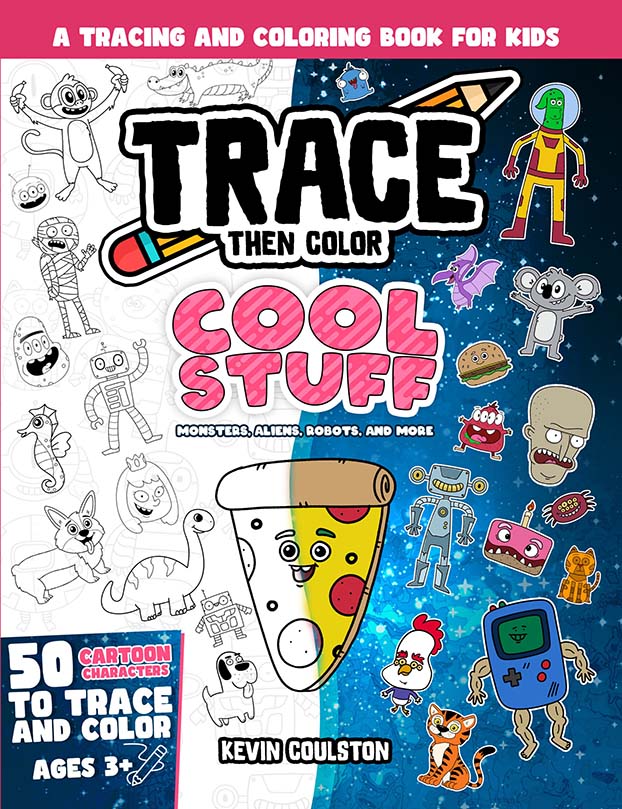
- Anything goes with Trace Then Color: Cool Stuff
- Seasonal pages for holidays
Step 4: Add a small twist
Kids come back for something a little different each time:
- A color challenge, such as "only three colors" or "no real-life colors"
- A read-aloud picture book that links to the theme
- A "name your character" card
- A group mural on a long sheet of paper. See group coloring projects.
Step 5: Show off the work
A display wall makes kids feel proud and advertises the club to other families.
Keep it relaxed. A coloring club works because there’s no pressure. Skip the contests, or make sure every child gets a ribbon.
Questions librarians ask
What age range works best?
Ages 4 to 10 mix well. Older kids can help younger ones. A separate teen or family session works too.
Do kids need to sign up?
Drop-in is easier for families, but a sign-up helps you plan supplies if numbers get big.
How do we keep costs down?
Buy crayons and pencils in bulk, ask for supply donations and print a few pages per session.

About Kevin Coulston
Kevin Coulston is a cartoonist and member of the National Cartoonists Society who has written and illustrated more than 100 drawing, tracing and coloring books for kids, including the Trace Then Color series. Meet Kevin or browse all his books on FirstArtBooks.com.