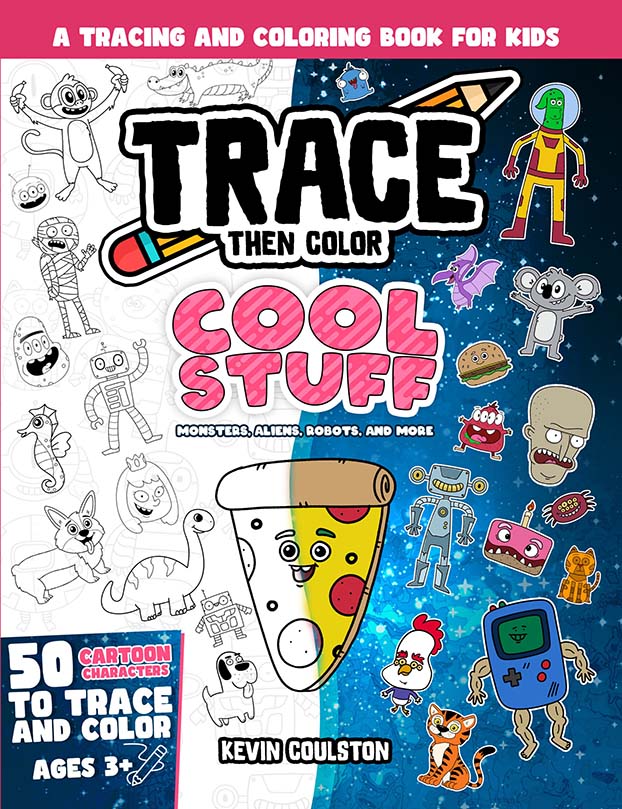
School counselors work with students facing all kinds of challenges, from friendship trouble to big feelings to family changes. Coloring is a gentle, versatile tool that many counselors keep on hand.
Building rapport
Many children find talking face to face intimidating. Coloring side by side makes conversation feel natural. Hands are busy, eye contact is optional and silence feels comfortable.
Exploring feelings
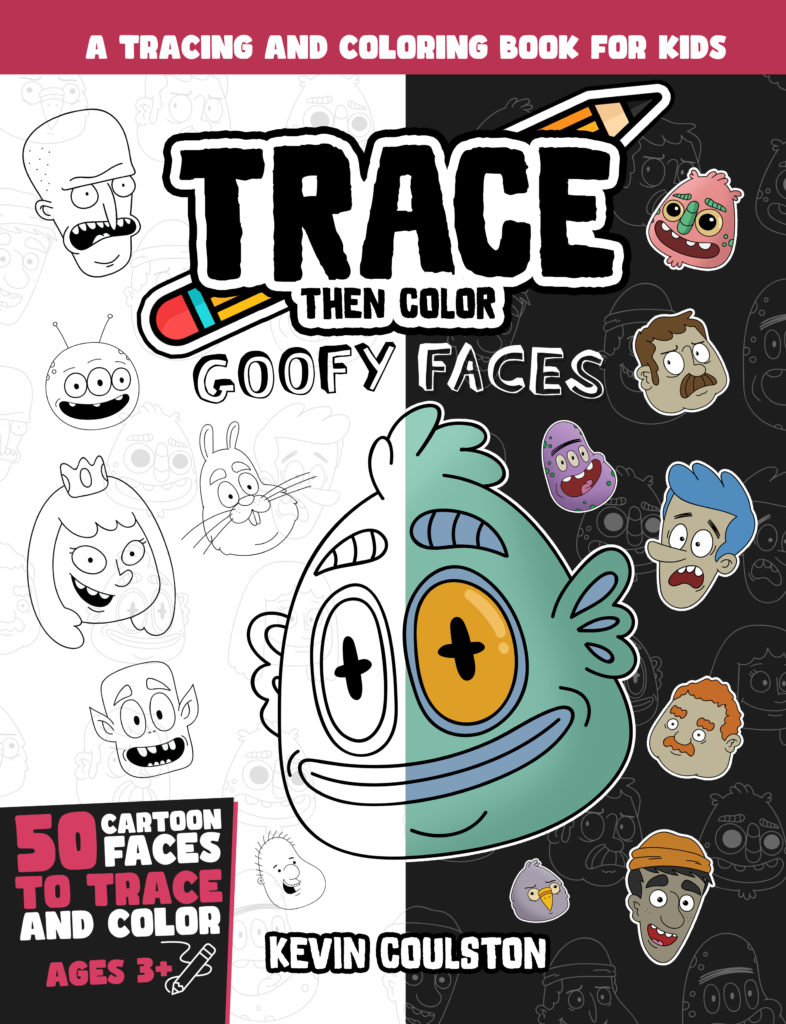
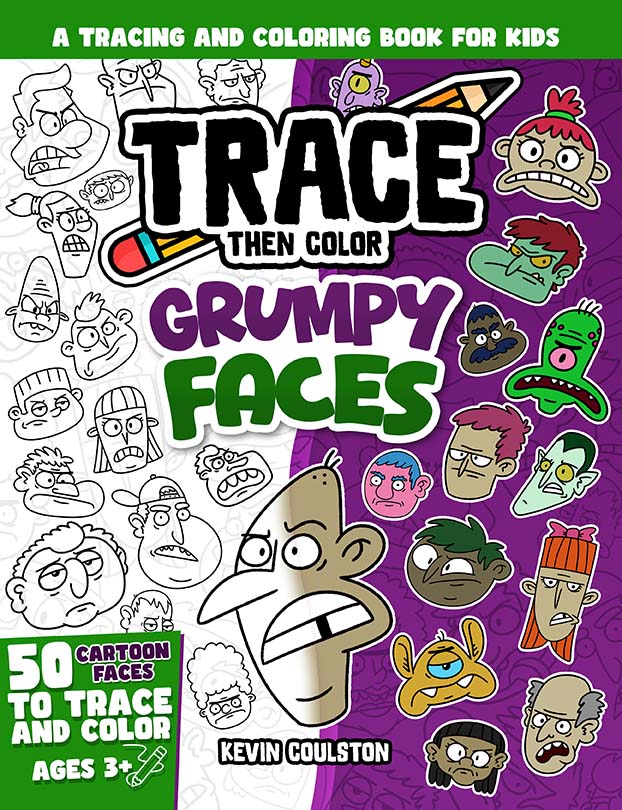
- Feelings faces: color faces showing different emotions and talk about when students feel that way. Trace Then Color: Goofy Faces and Trace Then Color: Grumpy Faces are useful.
- Feelings colors: students choose colors for emotions.
- Body map: color where in the body a feeling is felt.
See color the feeling.
Worry monsters
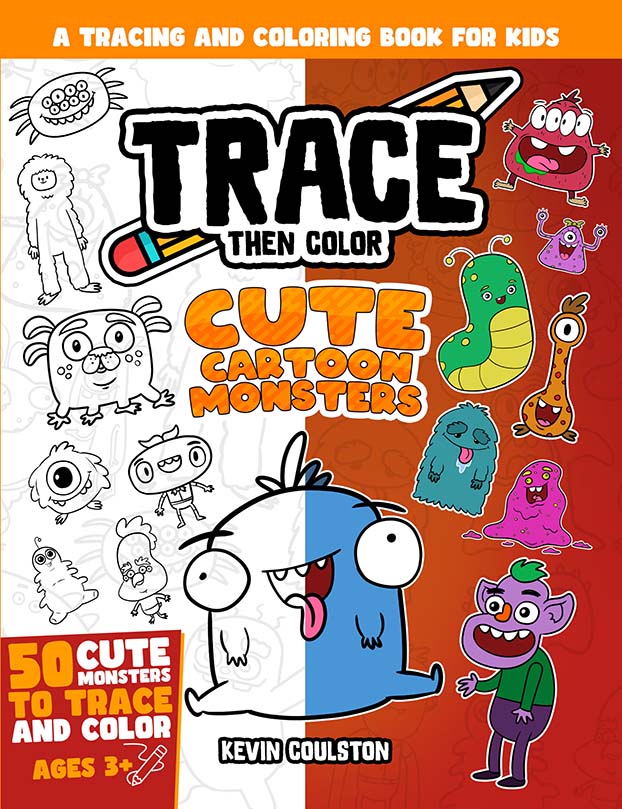
Students color a monster, then "feed" it their worries written on slips of paper. A friendly monster makes worries feel manageable. Trace Then Color: Cute Cartoon Monsters.
Teaching calming strategies
- Mindful coloring practice. See mindful coloring for kids.
- Color and breathe. See color and breathe.
- Build a personal calm-down kit with coloring pages.
Small groups
- Friendship groups: cooperative coloring projects
- Social skills: sharing supplies, complimenting work
- Grief groups: memory pages. See coloring and grief.
Questions counselors ask
Should I interpret students’ color choices?
Avoid interpreting. Ask students about their choices instead.
Is coloring appropriate for older students?
Yes, with more detailed pages and mindful approaches.
How do I use coloring in a short session?
Even five minutes of coloring can open conversation.
About Kevin Coulston
Kevin Coulston is a cartoonist and member of the National Cartoonists Society who has written and illustrated more than 100 drawing, tracing and coloring books for kids, including the Trace Then Color series. Meet Kevin or browse all his books on FirstArtBooks.com.