Grief is hard at any age, and children grieve differently from adults. They might seem fine one moment and deeply sad the next. They might ask the same questions again and again, or not want to talk at all. Many children express feelings more easily through play and art than through words.
Coloring can be a gentle, quiet way to support a grieving child. It is not a fix, but it can open space for feelings and memories.
Why coloring can help
- It is calm. Coloring gives hands something to do and can soothe a restless body.
- It is side by side. Sitting together without eye contact makes talking easier for many kids.
- It is expressive. Colors and pictures can say what words cannot.
- It creates something to keep. A colored page can become a memory.
Gentle coloring ideas
A memory page
Color a picture that reminds your child of the person or pet: a favorite animal, a flower they grew, a place you went together. Write a memory underneath.
A pet picture
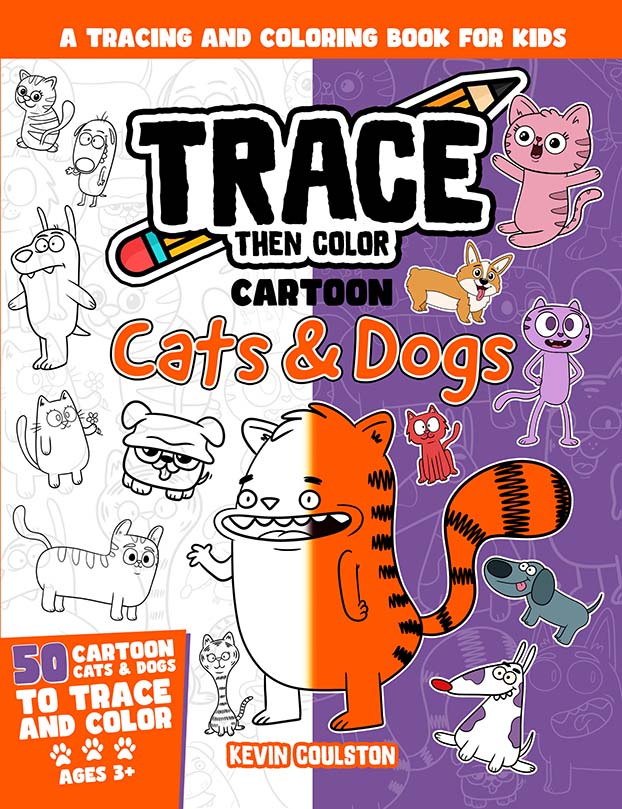
If a pet has died, coloring a cat or dog that looks like them can be comforting. Kids can choose the colors and markings to match. Trace Then Color: Cartoon Cats and Dogs has lots of pets to choose from.
A card
Make a card for a grieving relative, or a card "to" the person who died. Some families keep these in a memory box.
A feelings page
Color however the feelings come out. Dark colors, scribbles and messy pages are all fine. There is no right way to color grief.
A memory book
Collect colored pages over weeks and staple them into a book about the person or pet.
How to be with a grieving child while coloring
- Color your own page. Being there matters more than talking.
- Let them lead. If they want to talk, listen. If not, color in silence.
- Use simple, honest words. Avoid confusing phrases like "went to sleep."
- Name feelings gently. "It’s OK to feel sad. I feel sad too."
- Do not interpret their pictures. Ask, "Tell me about your picture," instead of guessing.
Gentle pages
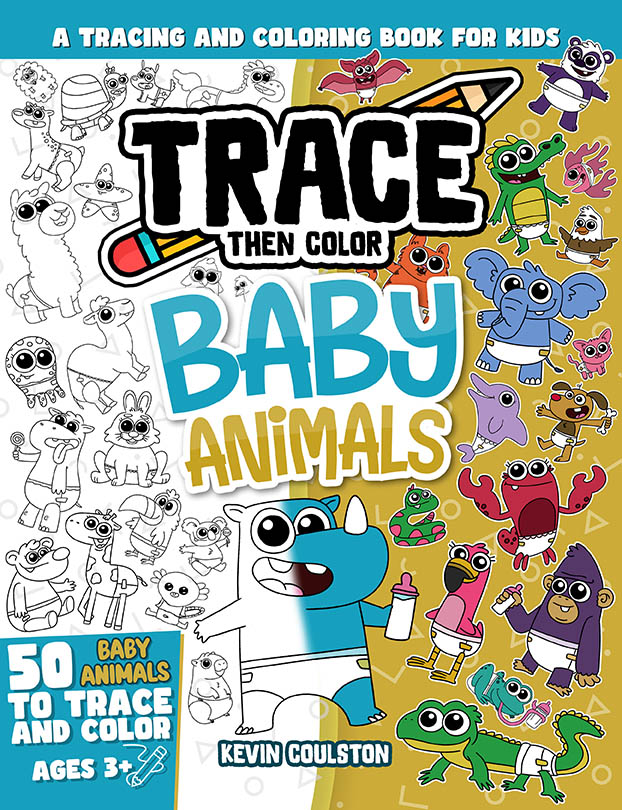
During grief, many children are drawn to soft, comforting subjects. Baby animals from Trace Then Color: Baby Animals are gentle and familiar. Let your child choose; some might prefer silly characters that make them laugh, and laughter is OK too.
When to get more help
Grief can show up as changes in sleep, appetite, behavior or school performance. These are common. If they are severe or last a long time, talk to your pediatrician, a school counselor or a grief specialist. Many children’s grief programs use art activities.
Questions parents ask
Is it OK if my child colors happy pictures right after a loss?
Yes. Children often move in and out of grief quickly. Happy coloring does not mean they do not care.
Should I keep the pictures?
Ask your child. Many families keep a memory box of drawings and cards.
My child does not want to color or talk. What should I do?
Give them time and keep inviting gently. Sitting together without pressure can be enough.

About Kevin Coulston
Kevin Coulston is a cartoonist and member of the National Cartoonists Society who has written and illustrated more than 100 drawing, tracing and coloring books for kids, including the Trace Then Color series. Meet Kevin or browse all his books on FirstArtBooks.com.