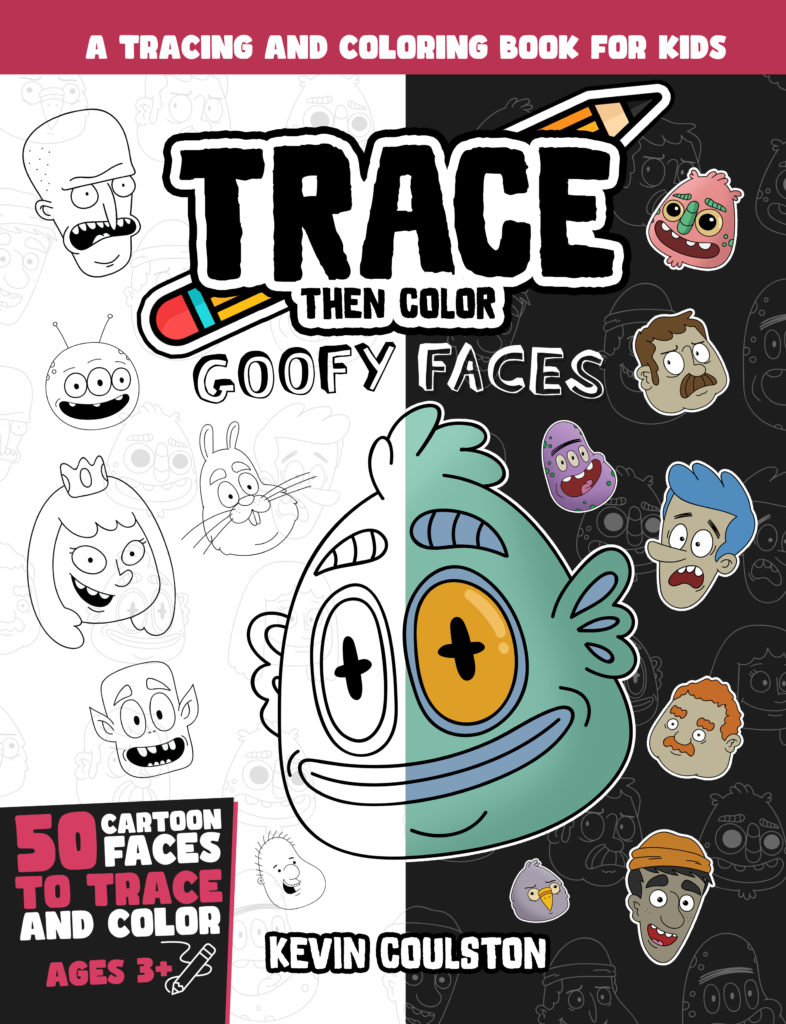
Test anxiety is common in children and seems to increase as kids move through school. It can make a child who knows the material freeze up on the day. Teachers and parents have tried all sorts of strategies, and one of the simplest is coloring.
What the studies found
Researchers at McGill University, led by Dana Carsley and Nancy Heath, have studied mindfulness-based coloring and test anxiety in several groups:
- Elementary school children. In a 2015 study, Carsley, Heath and Fajnerova found that children who did a mindful coloring activity before a test showed a reduction in test anxiety. Interestingly, free drawing helped some groups too.
- Adolescents. Later work by Carsley and Heath found that mindfulness-based coloring helped reduce test anxiety in teens as well.
- College students. Earlier research by Curry and Kasser (2005) found that coloring a structured pattern, like a mandala or plaid, reduced anxiety more than coloring on a blank page.
The UC Berkeley Greater Good Science Center includes coloring before tests as a classroom practice, recommending about 10 to 15 minutes.
These are small studies, and coloring will not erase serious anxiety. But for a low-cost, low-effort activity, the results are encouraging.
How teachers can use it
- Hand out a structured page about 15 minutes before the test.
- Give simple instructions: color slowly, notice the colors and the movement, and bring attention back to the page if thoughts wander.
- Play soft music or keep the room quiet.
- After 10 minutes, collect the pages and start the test.
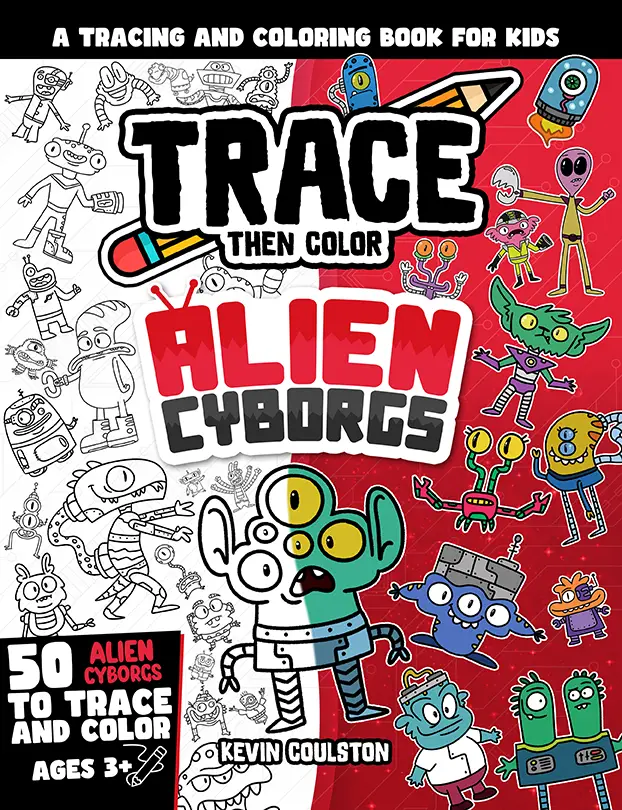
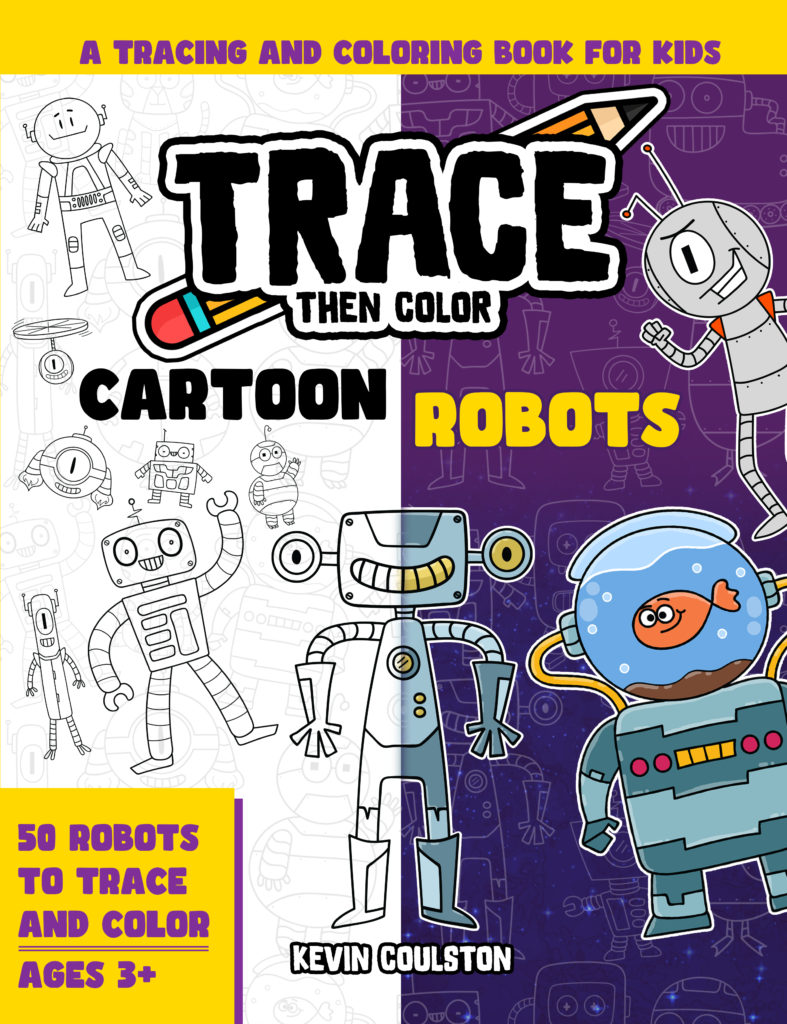
Older students may prefer pages with patterns or more detailed characters. Robots and cyborgs are full of repeated geometric parts that work like structured patterns: Trace Then Color: Cartoon Robots for younger grades, Trace Then Color: Alien Cyborgs for older ones.
How parents can use it
- Before homework. Ten minutes of coloring after school, before starting homework, can help kids switch gears.
- The night before a big test. A calm coloring session instead of last-minute cramming.
- The morning of. A quick page at breakfast.
Why it might work
Researchers suggest a few reasons:
- Focused, repetitive activity draws attention away from worries.
- Structured designs may be especially calming because they are predictable.
- Coloring is an easy way into mindfulness, which helps kids notice and manage anxious feelings.
See our mindful coloring practice for a five-minute routine.
A note on serious anxiety
If test anxiety is severe, causing physical symptoms, school refusal or serious distress, talk to your child’s teacher, school counselor or pediatrician. Coloring can be one tool among several.
Questions teachers ask
How long should the coloring last?
The studies and Greater Good recommendation suggest around 10 to 15 minutes.
Should students color mandalas or characters?
Structured designs did especially well in adult research. For kids, characters with patterned areas offer structure and fun.
Will coloring take too much time from the test?
Ten minutes is a small investment. Many teachers find students settle faster and focus better afterward.

About Kevin Coulston
Kevin Coulston is a cartoonist and member of the National Cartoonists Society who has written and illustrated more than 100 drawing, tracing and coloring books for kids, including the Trace Then Color series. Meet Kevin or browse all his books on FirstArtBooks.com.