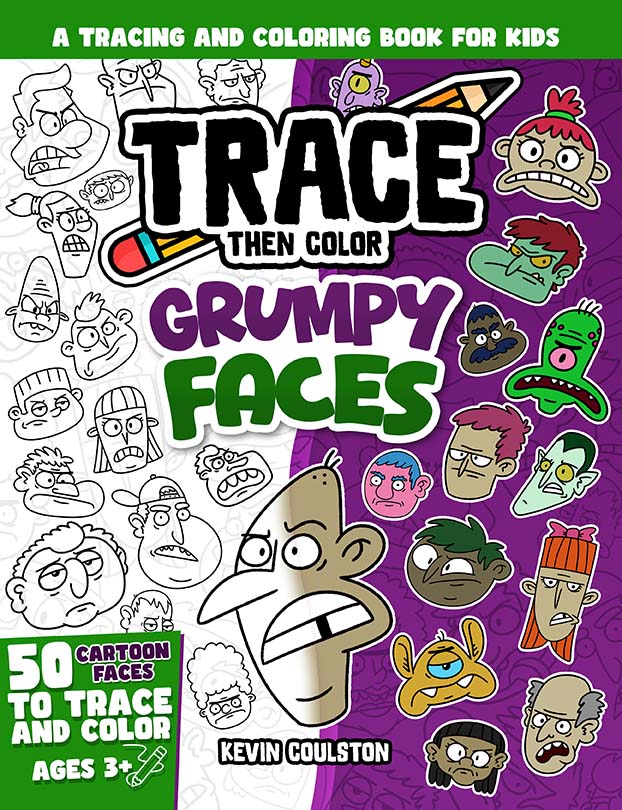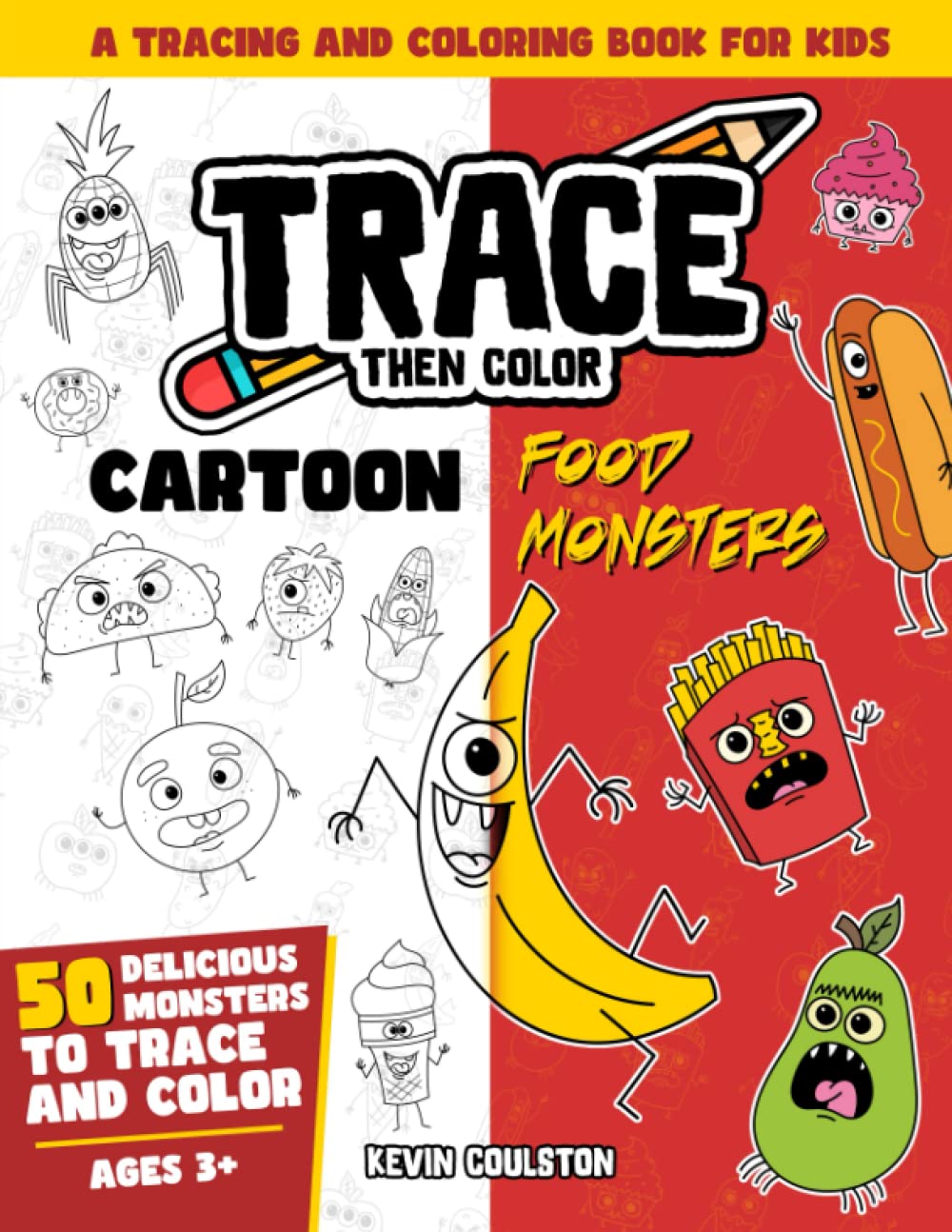
Every autistic child is different, but many find coloring enjoyable and calming. It is predictable, visual, quiet and gives clear structure. It can also be a lovely way to share a special interest.
Here are ideas that families and educators often find helpful. As always, follow your child’s lead and the advice of their therapists.
Why coloring often works well
- Predictability. A page has a clear beginning and end.
- Visual structure. Outlines show exactly where the activity happens.
- Low social demand. Coloring can be done alone or side by side without much talking.
- Calm sensory input. The steady motion of coloring can be soothing.
- Interest-based. Pages can match a favorite subject.
Build on special interests
Many autistic children have deep interests: trains, dinosaurs, robots, letters, numbers, a particular animal. A page that matches a special interest can turn coloring from a task into a joy.
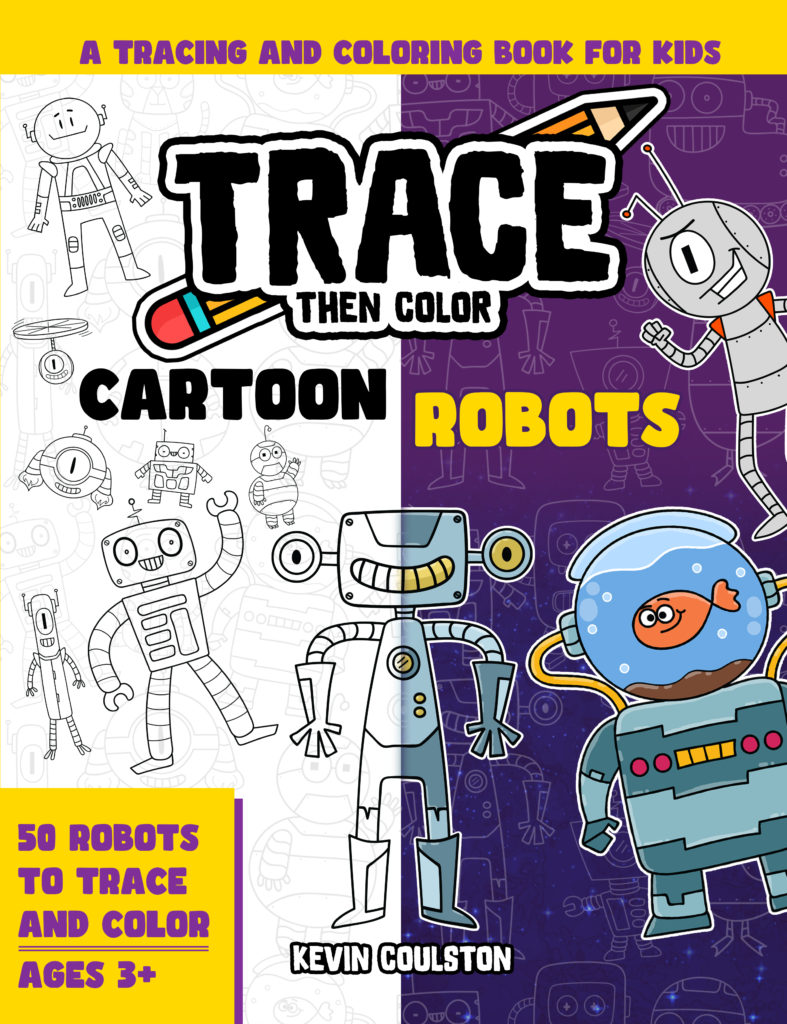
- Robot fans: Trace Then Color: Cartoon Robots
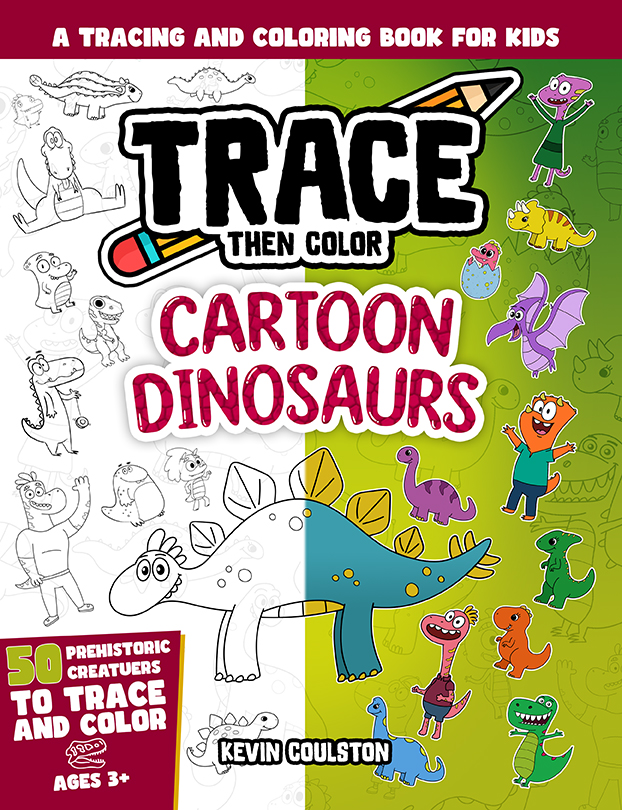
- Dinosaur experts: Trace Then Color: Cartoon Dinosaurs
- Letter lovers: Trace Then Color: Alphabet Monsters
Make it predictable
Use a visual schedule
Show coloring as a picture on the day’s schedule. Use a "first, then" board: "First coloring, then snack."
Same place, same kit
A regular spot and a familiar set of supplies make coloring easy to start.
Use a timer
A visual timer shows how long coloring will last and when it will end.
Warn before transitions
"Two more minutes of coloring, then we’ll put it away." A "to be continued" folder helps with unfinished pages. See coloring for transitions.
Sensory-friendly supplies
Some children are sensitive to certain textures, sounds or smells.
- Offer a choice of crayons, colored pencils and markers.
- Avoid scented markers if smells bother them.
- Try smooth, soft crayons if waxy ones feel unpleasant.
- Use thicker paper if tearing causes distress.
- Some kids prefer coloring on a tablet stand or slanted board.
Respect their way of coloring
Your child may color in a specific order, use the same color every time, color only certain parts or line up crayons carefully. These can be meaningful, comforting routines. Unless something is causing distress, there is no need to change it.
Coloring together
Parallel coloring, where you color your own page next to theirs, can be a low-pressure way to share time. Some children enjoy taking turns choosing colors; others prefer to work separately.
Coloring for communication
Coloring pages can support communication goals: naming colors, answering simple questions, making choices between two crayons or using a picture card to request a color. Speech therapists often use coloring in sessions. See coloring in speech therapy.
Questions parents ask
My child only wants to color one character over and over. Is that OK?
Yes. Repetition can be comforting and enjoyable. You can offer new pages alongside the favorite without taking it away.
My child does not like coloring. Should I keep trying?
Not every child enjoys coloring, and that is fine. Try different tools or subjects, but do not force it.
Can coloring help with fine motor skills for autistic kids?
Yes, coloring builds fine motor skills for all children. Occupational therapists often include it in therapy plans.

About Kevin Coulston
Kevin Coulston is a cartoonist and member of the National Cartoonists Society who has written and illustrated more than 100 drawing, tracing and coloring books for kids, including the Trace Then Color series. Meet Kevin or browse all his books on FirstArtBooks.com.