For many children, the hardest moments of the day are not the activities themselves but the switches between them. Leaving the park. Turning off the TV. Coming home from school. Getting ready for bed. Transitions ask kids to stop something, start something else and manage their feelings in between.
A short coloring activity can be a gentle bridge.
Why transitions are hard
- Kids may be deeply absorbed in what they are doing.
- The next activity might be less fun.
- Young children have limited sense of time, so "five more minutes" is abstract.
- Some kids, including many with ADHD or autism, find change especially stressful.
How coloring helps
Coloring is a calm middle ground. It is quieter than playground play and more absorbing than waiting. It gives the body something steady to do while the brain adjusts.
Transition ideas
After school
Kids often come home tired and overstimulated. A ten-minute coloring session with a snack, before homework or chores, gives them time to decompress. Keep a page ready on the table so it is easy to start.
After screen time
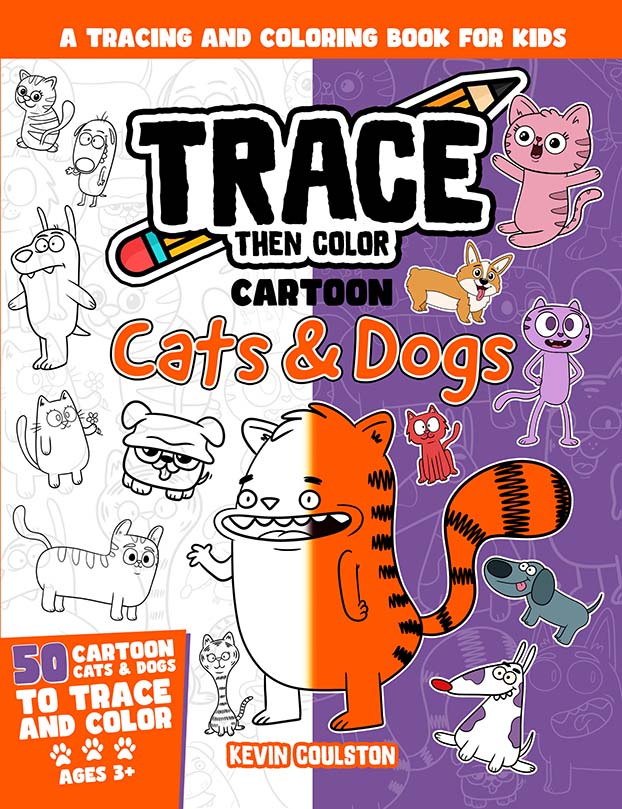
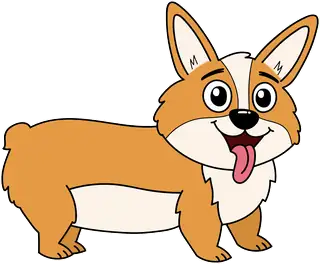
Turning off a screen is one of the most common battles. Have a coloring page ready as the "next thing." "When the show ends, you can color the puppy." A pet page from Trace Then Color: Cartoon Cats and Dogs can be a nice motivator.
Before leaving the house
Coloring a page while the adults get ready keeps kids in one place and calm. The page can come along in the car.
Waiting times
Restaurants, appointments and lines. A small travel coloring kit makes waiting easier. See the restaurant coloring kit.
Before bed
A short coloring session in dim light can help the body slow down. See coloring before bed.
Make it predictable
- Same time, same place. "After school, we color at the kitchen table."
- Visual timers. A sand timer shows when coloring will end.
- Warnings. "Two more minutes, then it’s bath time."
- A to-be-continued folder. Unfinished pages go in a folder for next time, so stopping does not mean losing.
Choosing transition pages
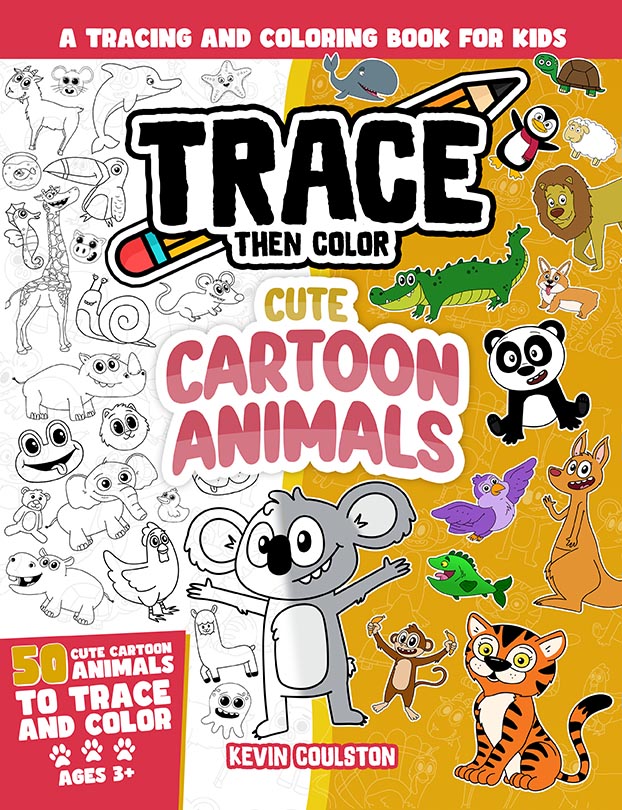
Transition coloring should be short and easy. One simple character that can be mostly finished in ten minutes. Friendly animals from Trace Then Color: Cute Cartoon Animals work well because they have big, satisfying shapes.
When coloring becomes the problem
Some kids get so absorbed in coloring that stopping becomes a new transition battle. If that happens:
- Give a clear end point: "Color just the ears."
- Use the timer consistently.
- Praise them for stopping: "You stopped right when the timer ended. That was hard!"
Questions parents ask
How long should a transition coloring activity be?
Five to fifteen minutes, depending on the child and the situation.
My child refuses to stop coloring. What can I do?
Set a specific, small goal before starting and use a visual timer. Keep unfinished pages safe so stopping is not a loss.
Does this work for teens?
Older kids may prefer more detailed pages or doodling, but the idea of a calm bridge activity still works.

About Kevin Coulston
Kevin Coulston is a cartoonist and member of the National Cartoonists Society who has written and illustrated more than 100 drawing, tracing and coloring books for kids, including the Trace Then Color series. Meet Kevin or browse all his books on FirstArtBooks.com.