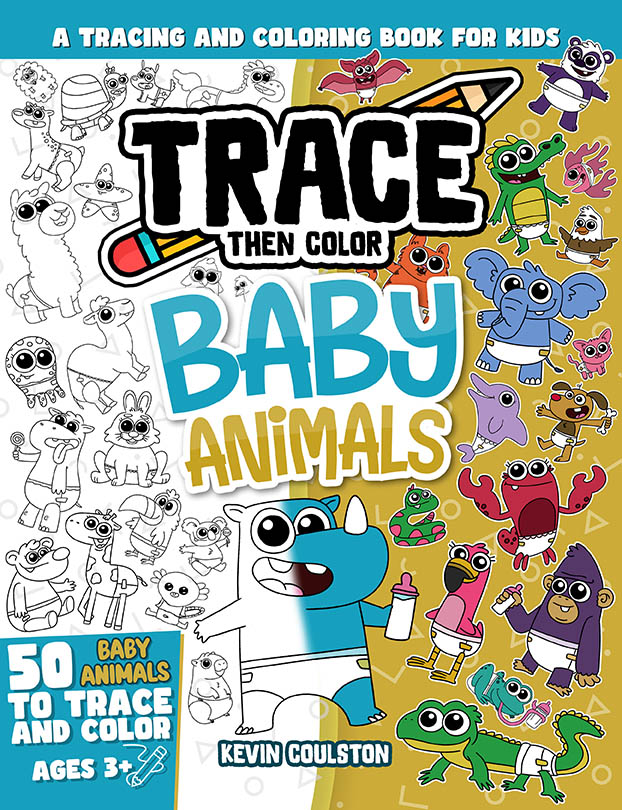
When two children sit down at a table with one box of crayons, a social lesson begins. Who gets the red? Can I borrow your green? Look at my monster! Coloring together is full of tiny social moments, which makes it a great place for kids to practice getting along.
Social skills at the coloring table
- Sharing. Supplies are limited, so kids learn to share.
- Taking turns. Waiting for a color someone else is using.
- Asking politely. "May I use the blue when you’re done?"
- Complimenting. "I like your purple dinosaur."
- Cooperating. Working together on one big picture.
- Handling disappointment. When the favorite color is taken.
Set up for success
One shared supply
A single cup of crayons in the middle of the table creates natural sharing practice. For very young children or tense sibling moments, start with one cup each and move toward sharing later.
Enough of the popular colors
Avoid fights by having two of the most-wanted colors.
Separate pages
Each child has their own page. Shared supplies, separate work is the easiest place to start.
Cooperative coloring games
Swap and finish
Each child colors half a page, then swaps and finishes the other’s page. Kids love seeing what happens.
Color team
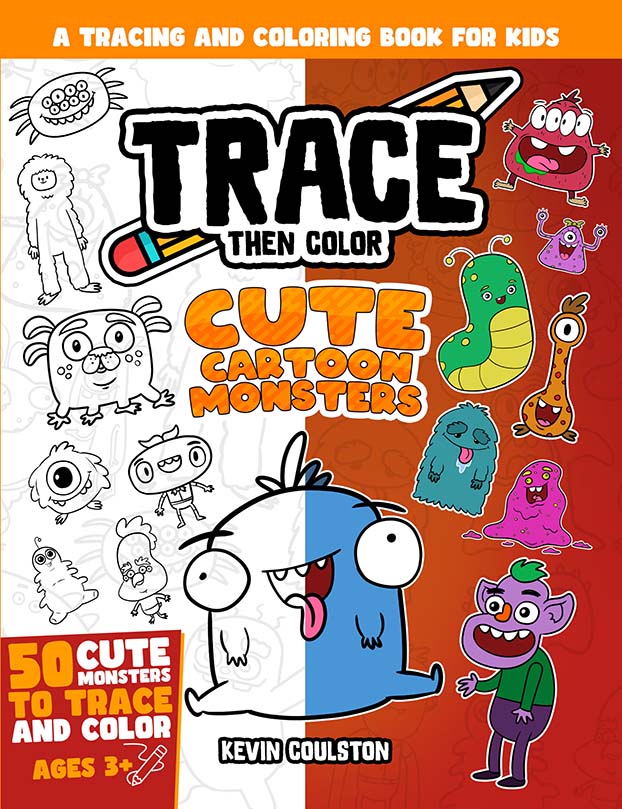
Two kids color one character together, each taking certain parts. Monsters with lots of parts are perfect: Trace Then Color: Cute Cartoon Monsters.
Pass the page
In a group, each child colors one part of a page for one minute, then passes it to the next person.
Compliment round
After coloring, each child says one thing they like about someone else’s page.
Big group mural
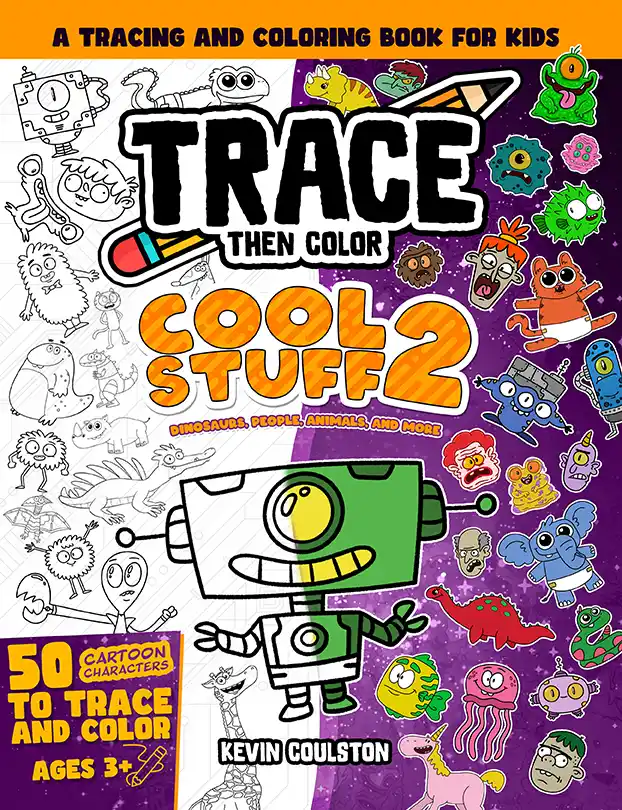
Color several characters, cut them out and glue them onto one big scene together. A book with lots of different subjects, like Trace Then Color: Cool Stuff 2, gives a whole group variety. See group coloring projects.
When conflicts happen
They will. Some tips:
- Use a timer for turns. "You can have the red for two minutes, then it’s Mia’s turn."
- Problem-solve together. "You both want the green. What can we do?"
- Model polite language. "Can I please have the blue when you’re finished?"
- Praise kindness. "You shared your favorite color. That was kind."
For only children
Kids without siblings get sharing practice too: with parents, cousins or friends. Color together and take turns with the crayon cup. Playdates with coloring as a calm activity can be lovely.
Questions parents ask
At what age can kids share?
Toddlers find sharing very hard. By age 3 to 4, many kids can share with support. It keeps improving with practice.
Should I make my child share their own crayons?
It is fair to let kids have a few special supplies that are just theirs, while practicing sharing with a common set.
My kids fight over coloring. Should I separate them?
Sometimes separate coloring is the best choice. Try shared coloring when everyone is fed, rested and calm.

About Kevin Coulston
Kevin Coulston is a cartoonist and member of the National Cartoonists Society who has written and illustrated more than 100 drawing, tracing and coloring books for kids, including the Trace Then Color series. Meet Kevin or browse all his books on FirstArtBooks.com.