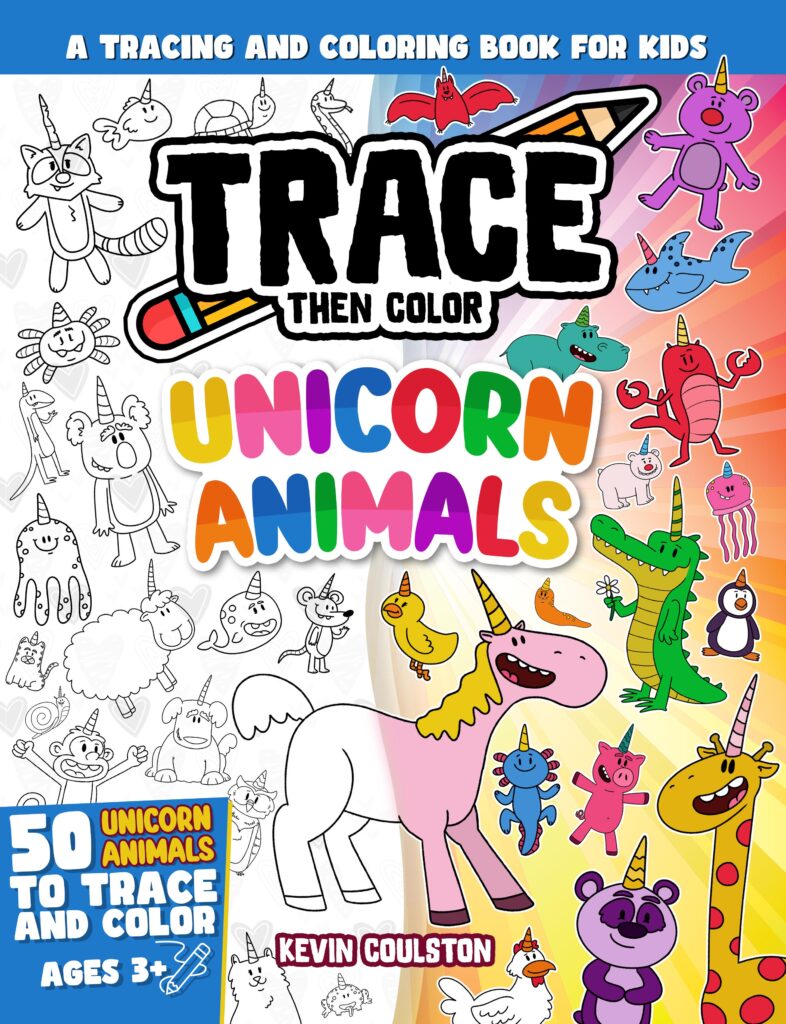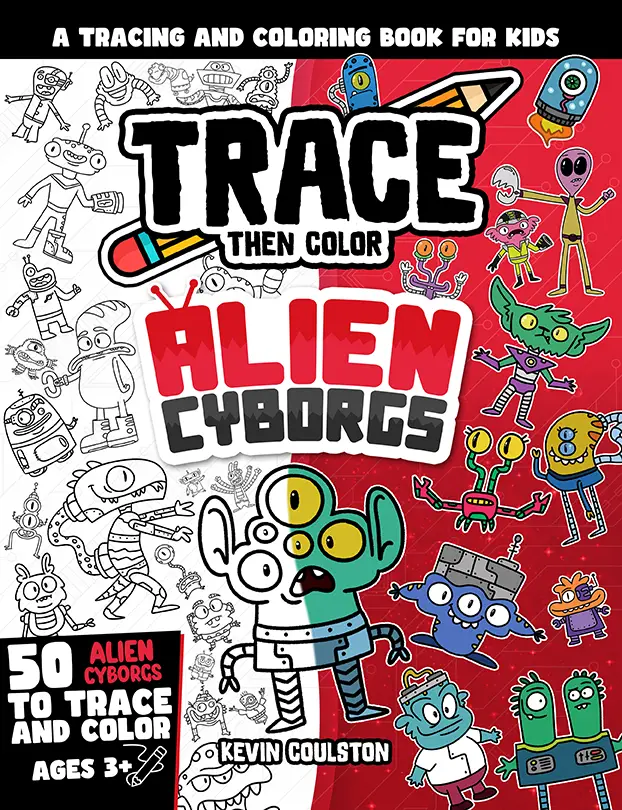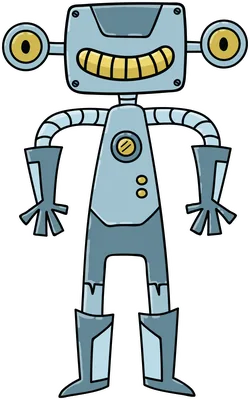
Early math is not just about numbers on a page. It is about counting real things, comparing amounts and noticing patterns. Coloring pages are full of opportunities for all three. A robot with buttons, an alien with antennae and a monster with spots are math problems in disguise.
Counting
Count the parts
Before coloring, count the eyes, legs, spots or buttons on a character. Then color them one at a time, counting as you go. That is one-to-one correspondence: matching one number word to one object. It is a foundational skill.
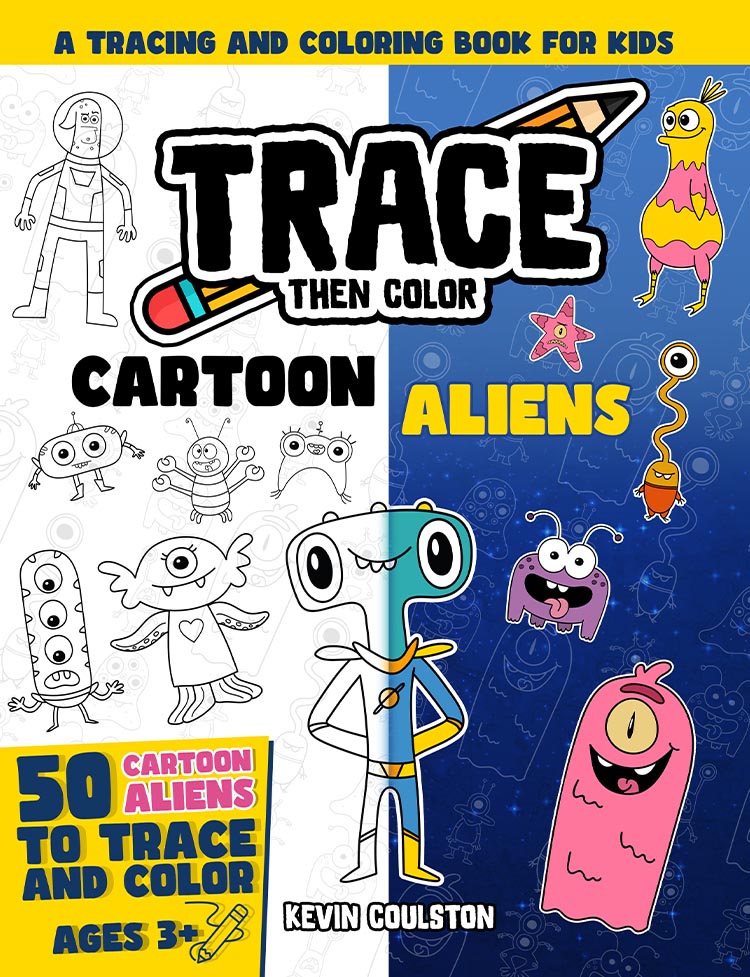
Aliens are great for counting because they often have unusual numbers of eyes, arms or antennae. Trace Then Color: Cartoon Aliens is full of characters to count.
Count the colors
"How many colors did you use?" Kids can count crayons used or tally them on the side of the page.
Comparing
- "Does this robot have more buttons or more lights?"
- "Which monster has the most eyes?"
- "Color the bigger one red and the smaller one blue."
More, less, bigger and smaller are early math concepts.
Simple addition
For kindergarteners:
- "The alien has 2 eyes on top and 1 eye on its belly. How many eyes altogether?"
- "Color 3 spots red and 2 spots blue. How many spots?"
- "Add 2 more antennae. How many now?"
Drawing extra parts makes addition visible.
Shapes
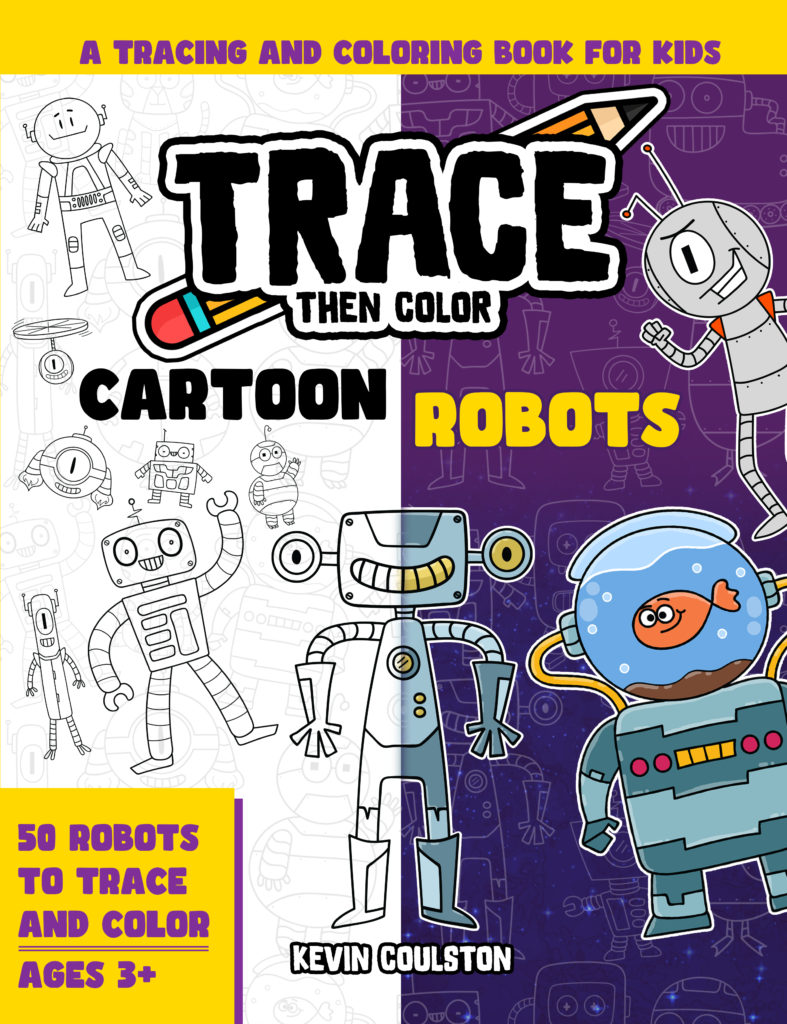
Robots are made of rectangles, squares and circles. Counting each type is a geometry lesson: "How many circles can you find?" Trace Then Color: Cartoon Robots is perfect for shape counting. See finding shapes in cartoon characters.
Number coloring
Write a small number in each space of a character. Kids color spaces with the same number the same color. That is the basic idea behind color-by-number, and it practices number recognition.
Simple graphs
After coloring several pages, make a graph of favorite colors. Each child colors a square for their favorite. Which color wins? Graphing is real data work.
Patterns
Coloring stripes in a repeating pattern, like red-blue-red-blue, is early algebra. See stripes, spots and zigzags.
Tips
- Keep it light. A few counting questions per page, not a quiz.
- Use real objects too. Count crayons, not just pictures.
- Follow interest. If your child loves aliens, count aliens.
Questions parents ask
What math should my preschooler know?
Most preschoolers work on counting to 10 or 20, recognizing numbers, comparing amounts and recognizing basic shapes. Kids vary.
Are color-by-number pages good for math?
They practice number recognition and following a key. Balance them with free coloring.
My child counts but skips objects. How can I help?
Encourage touching each object as they count, or coloring each one as they say the number. That builds one-to-one correspondence.

About Kevin Coulston
Kevin Coulston is a cartoonist and member of the National Cartoonists Society who has written and illustrated more than 100 drawing, tracing and coloring books for kids, including the Trace Then Color series. Meet Kevin or browse all his books on FirstArtBooks.com.