A tiger’s stripes, a zebra’s zigzags, a dog’s spots. Patterns are everywhere in nature and in art. They are also an important part of early math. When children recognize, copy and create patterns, they are learning to spot rules and make predictions, which is the foundation of algebraic thinking.
Coloring is a perfect way to practice.
Types of patterns
AB patterns
Two things repeating: red, blue, red, blue. The simplest pattern.
AAB patterns
Red, red, blue, red, red, blue.
ABC patterns
Red, blue, yellow, red, blue, yellow.
Growing patterns
Patterns that change in a predictable way: one dot, two dots, three dots.
Shape patterns
Circle, square, circle, square.
Coloring pattern activities
Striped tails
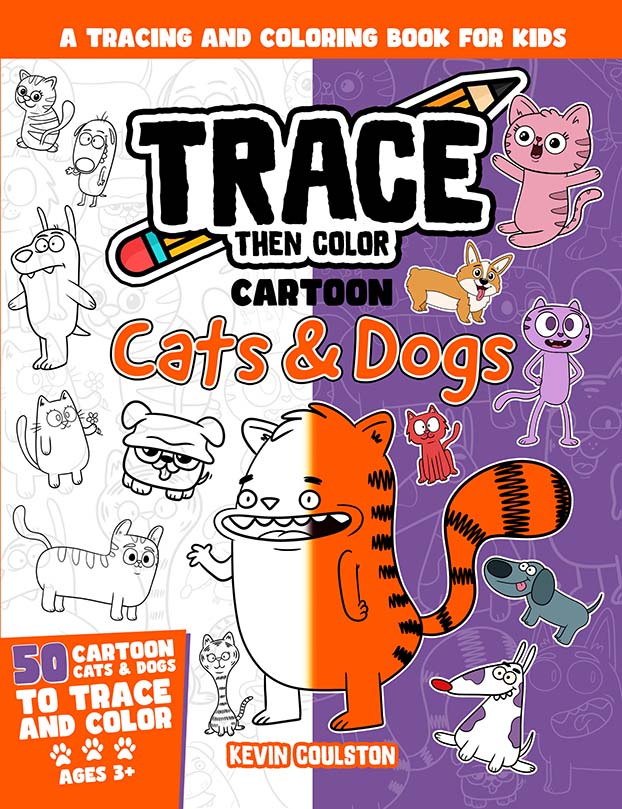
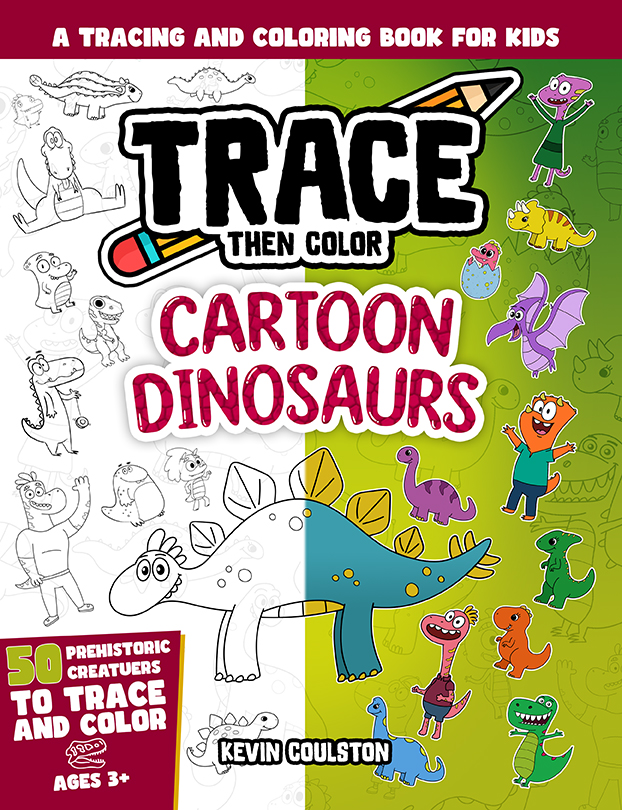
Color a cat’s tail or a tiger’s stripes in a repeating color pattern. Trace Then Color: Cartoon Cats and Dogs has plenty of tails to stripe.
Mash-up patterns
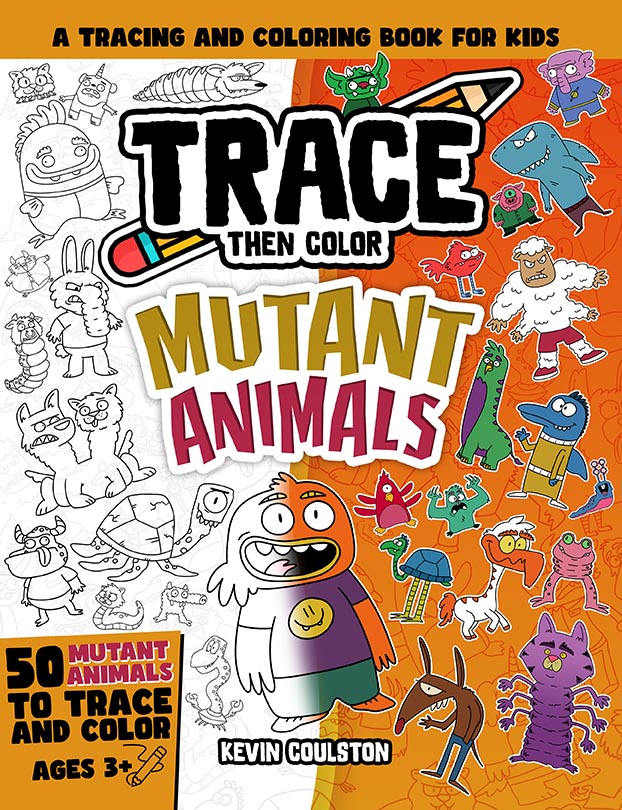
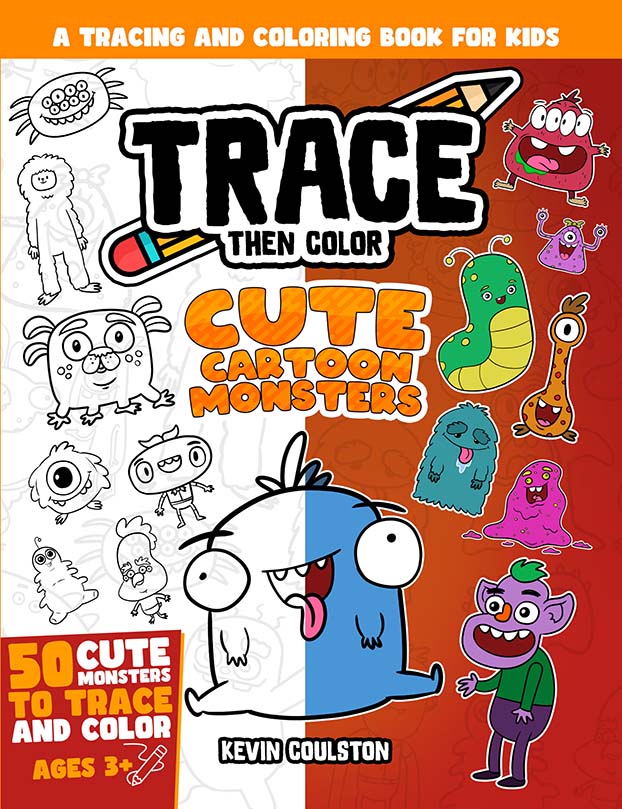
Mutant animals combine different creatures, so each half can have a different pattern: stripes on the front, spots on the back. Trace Then Color: Mutant Animals is ideal.
Patterned clothes
Shirts, scarves and hats are perfect for patterns.
Border patterns
Draw a border around the page and fill it with a repeating pattern.
What comes next?
Start a pattern and ask your child to continue it. "Red, blue, red, blue... what comes next?"
Spot the mistake
Color a pattern with one mistake and see if your child can find it.
Talking about patterns
Use pattern language:
- "What repeats?"
- "What’s the rule?"
- "What comes next?"
- "Can you make your own pattern?"
Kids who can describe the rule are thinking mathematically.
Patterns in nature
Look at real animals: zebra stripes, leopard spots, snake scales and butterfly wings. Talk about why animals have patterns. See camouflage and animal colors.
Patterns for calm
Coloring repeating patterns is also calming. Researchers found structured, patterned designs reduced anxiety in some studies. See mindful coloring for kids.
Questions parents ask
At what age can kids do patterns?
Many 3-year-olds can copy a simple AB pattern; by 4 or 5, many can create their own and continue more complex ones.
My child just colors randomly. Should I insist on patterns?
No. Offer patterns as a game sometimes, but free coloring is valuable too.
Are patterns really math?
Yes. Recognizing and extending patterns is part of early math standards because it builds reasoning about rules and relationships.

About Kevin Coulston
Kevin Coulston is a cartoonist and member of the National Cartoonists Society who has written and illustrated more than 100 drawing, tracing and coloring books for kids, including the Trace Then Color series. Meet Kevin or browse all his books on FirstArtBooks.com.