Fur, scales and metal all look different in real life. With a few easy strokes, kids can make them look different on the page too.
Fur
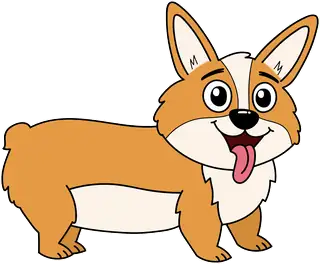
- Color a light base layer.
- Add short flicks in the direction the fur grows, using a darker shade.
- Add a few more flicks at the edges so the outline looks fluffy.
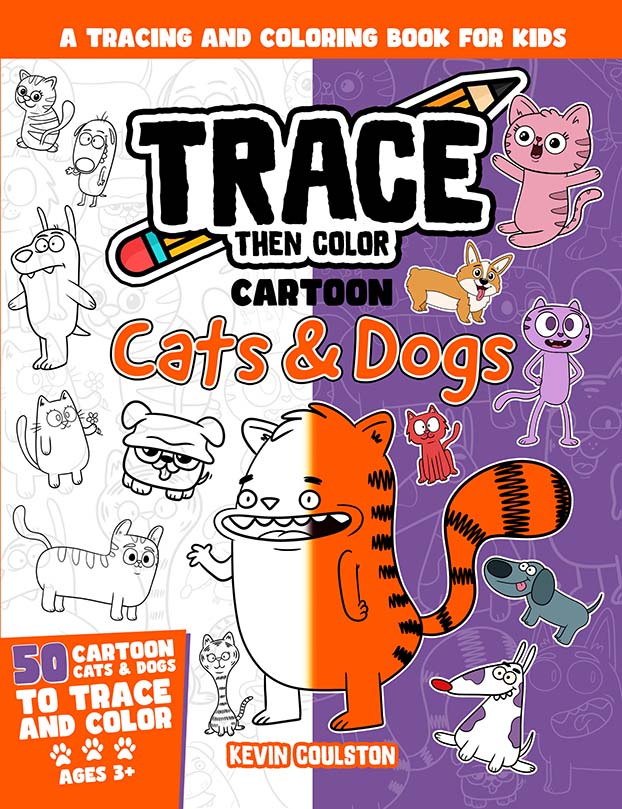
Practice on cats and dogs in Trace Then Color: Cartoon Cats and Dogs. Tabby stripes and calico patches are extra fun.
Scales
- Color a base color.
- Draw small U-shapes or half circles in rows with a darker color or fine marker.
- Or dot the scales with a different color.
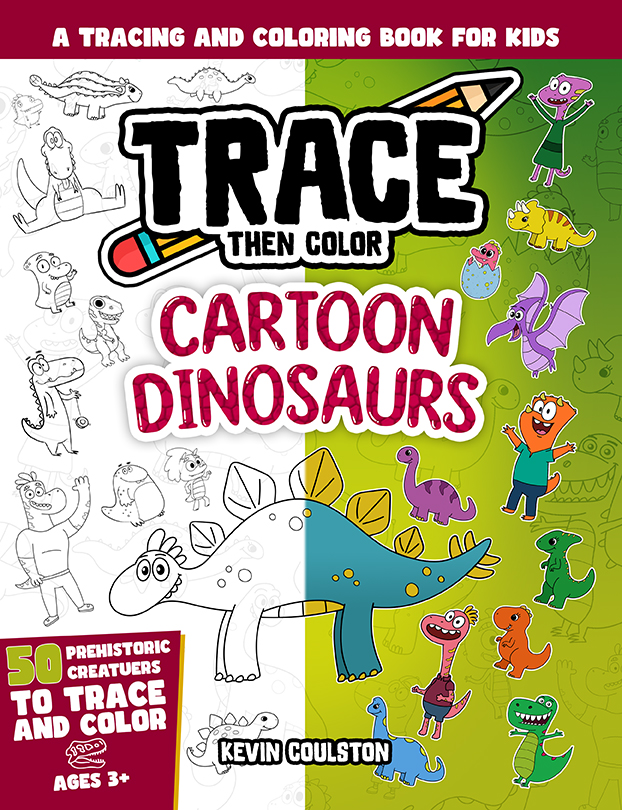
Dinosaurs in Trace Then Color: Cartoon Dinosaurs and fish are perfect.
Metal
- Color stripes of light gray, darker gray and light gray again.
- Leave a thin white streak for a shine.
- Add a darker edge on the shadow side.
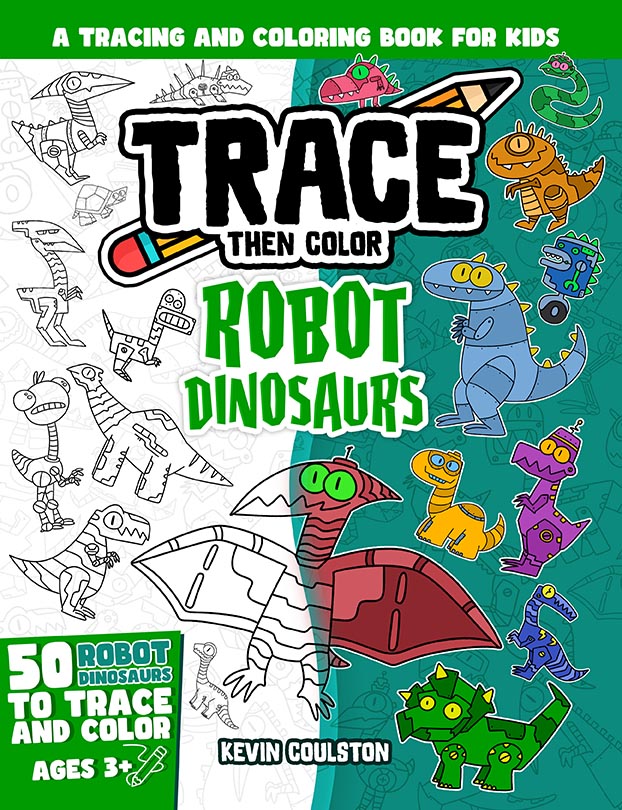
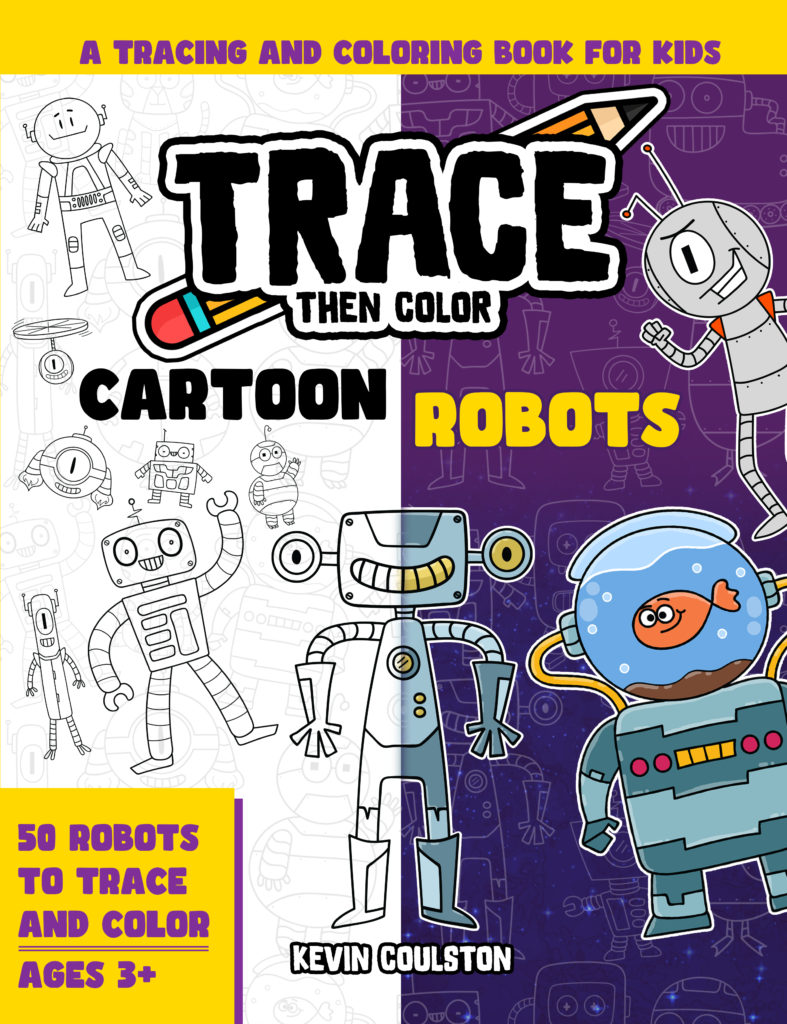
Try it on Trace Then Color: Cartoon Robots. For metal plus scales together, Trace Then Color: Robot Dinosaurs is ideal. See robot dinosaur coloring.
Other textures to try
| Texture | Stroke |
|---|---|
| Wood | Long wavy lines |
| Bricks | Rectangles with light lines between |
| Grass | Short upward flicks |
| Clouds | Soft circles, light pressure |
| Slime | Shiny highlights and drips |
See adding highlights for shiny effects.
Colored pencils and fine markers are best for texture strokes.
Questions parents ask
Is texture too advanced for young kids?
Fur flicks are easy from about age 5. Metal and scales are great from 6 or 7.
Should texture cover the whole shape?
Not always. A little texture at the edges often looks best.
Can kids invent textures?
Yes. Ask them to invent fur for a made-up monster.

About Kevin Coulston
Kevin Coulston is a cartoonist and member of the National Cartoonists Society who has written and illustrated more than 100 drawing, tracing and coloring books for kids, including the Trace Then Color series. Meet Kevin or browse all his books on FirstArtBooks.com.