Some kids press so hard that crayons snap and paper rips. Others barely leave a mark. Both are common, and both can improve with fun practice.
Why pressure matters
Controlling pressure is part of fine motor development. It affects coloring, handwriting and how tired a child’s hand gets. Coloring is one of the easiest ways to practice it. See coloring and fine motor skills.
Pressing too hard
Signs: broken crayons, torn paper, dark waxy color, sore hands.
Why it happens: kids may be trying to control the crayon by gripping hard, or they may enjoy the dark color.
Tips:
- Color on a pad of a few sheets of paper, which cushions pressure
- Practice "whisper coloring" with very light strokes
- Use soft crayons or markers that need less pressure
Pressing too light
Signs: pale, barely visible color; kids may complain coloring is boring.
Why it happens: hand strength may still be developing.
Tips:
- Chunky crayons to build strength
- Play-dough, squeezing and tearing paper to build hand muscles
- Vertical surfaces like an easel, which strengthen the wrist and shoulder
Pressure games
- Light, medium, dark. Color three squares with three pressures.
- Ghost and monster. Color a ghost lightly and a monster darkly.
- Shading. Light on one side, dark on the other. See easy shading for kids.
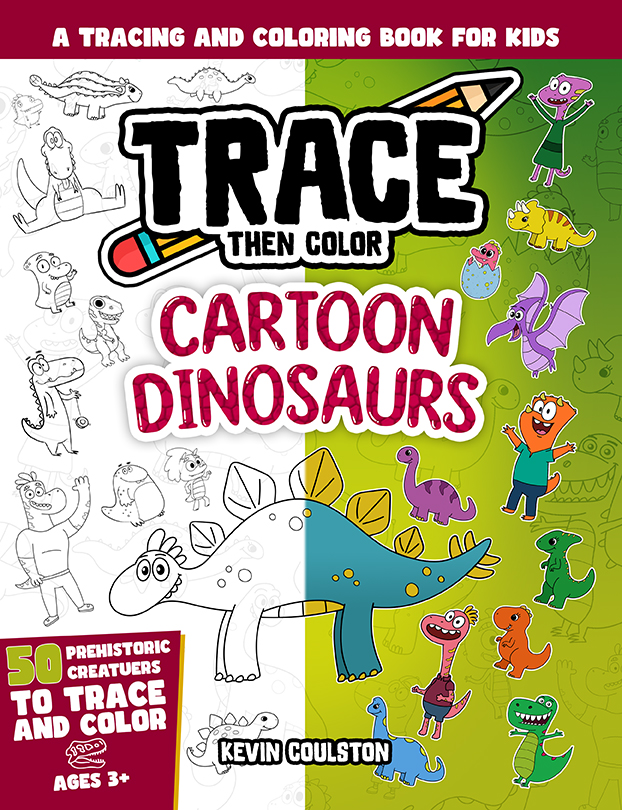
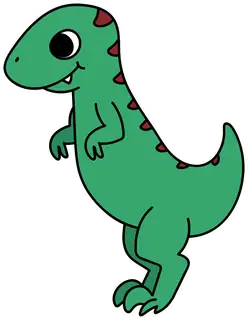
- Dino stripes. Alternate light and dark stripes on a dinosaur from Trace Then Color: Cartoon Dinosaurs.
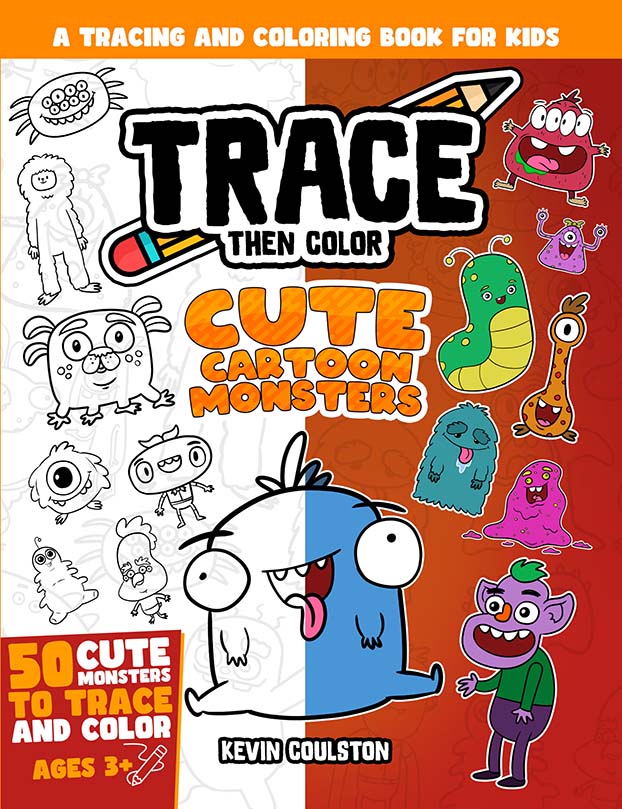
- Monster fur. Light fur first, dark tips last on Trace Then Color: Cute Cartoon Monsters.
Talk about pressure as a tool, not a mistake: "Dark crayon makes the shadow. Light crayon makes the glow."
Questions parents ask
Is pressing hard a sign of a problem?
Usually not. If it comes with hand pain, avoidance or handwriting difficulty, ask a teacher or occupational therapist.
Should my child use pencils instead?
Colored pencils need more control. Crayons are a good place to practice pressure first.
Can grip affect pressure?
Yes. See crayon grip tips.
About Kevin Coulston
Kevin Coulston is a cartoonist and member of the National Cartoonists Society who has written and illustrated more than 100 drawing, tracing and coloring books for kids, including the Trace Then Color series. Meet Kevin or browse all his books on FirstArtBooks.com.