A calm-down corner is a small, cozy space where a child can go to settle big feelings. It is not a time-out. It is a choice kids learn to make when they feel overwhelmed, angry, sad or wound up. Many classrooms have one, and they work well at home too.
Coloring is one of the most popular calm-corner activities, because it is quiet, simple and absorbing.
What to put in the corner
Somewhere comfy
A beanbag, a cushion, a soft rug or a small tent. Cozy and slightly enclosed spaces help kids feel safe.
A small coloring kit
- A clipboard or lap tray
- Six to eight crayons or colored pencils (not the whole box; too many choices can overwhelm)
- A folder of coloring pages
- A sharpener if using pencils
Calming pages
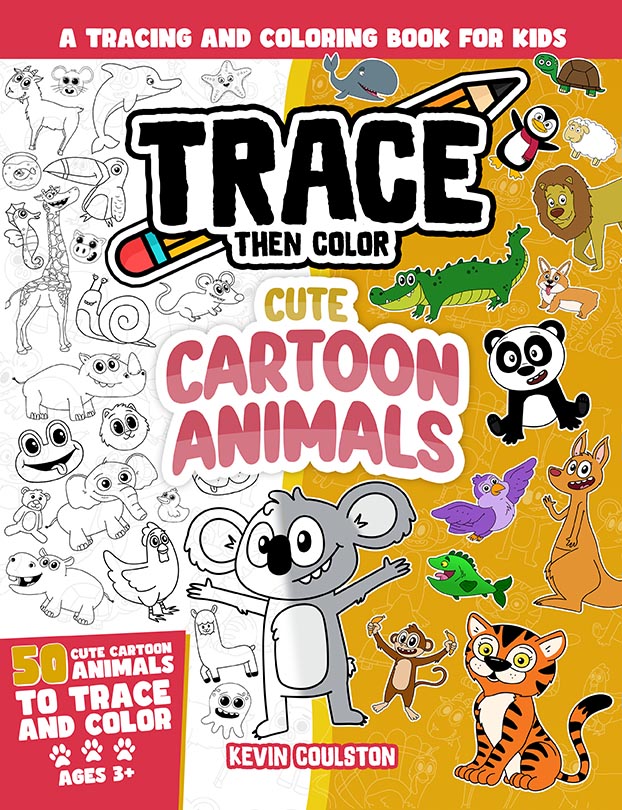
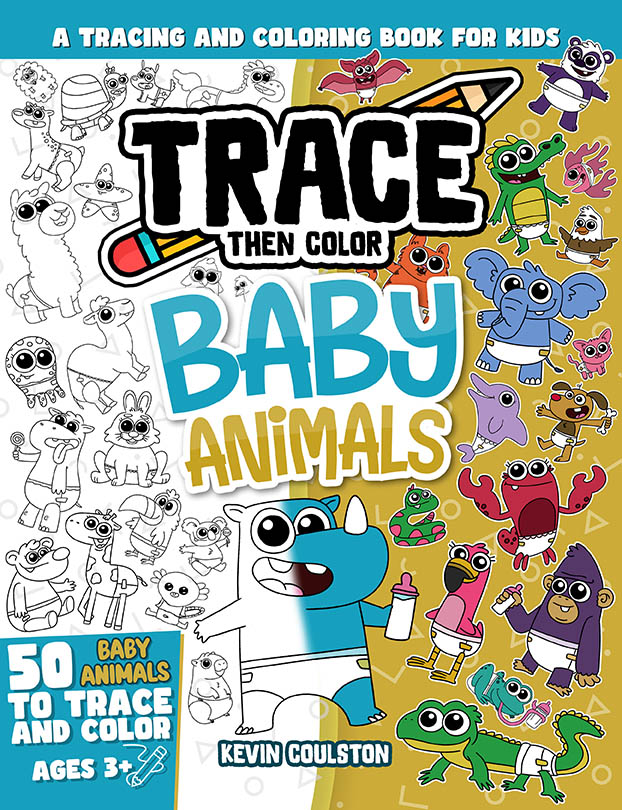
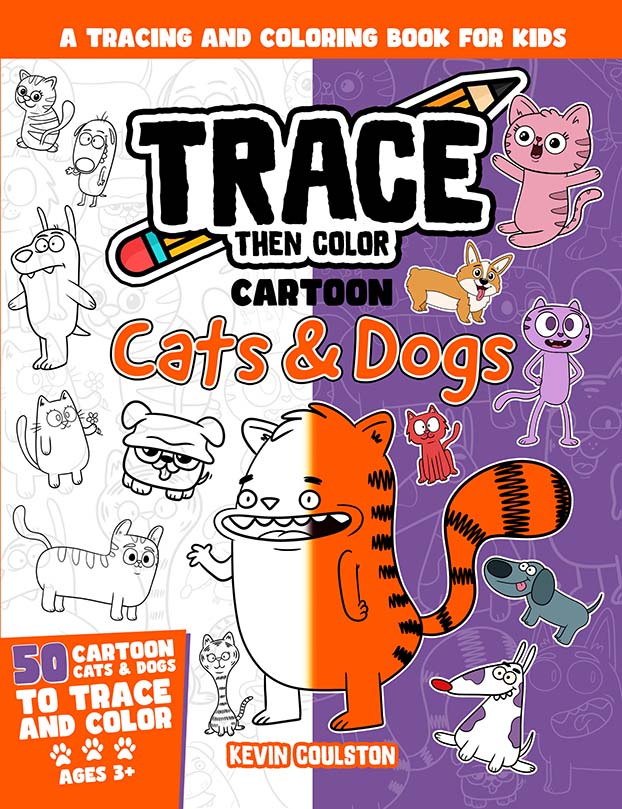
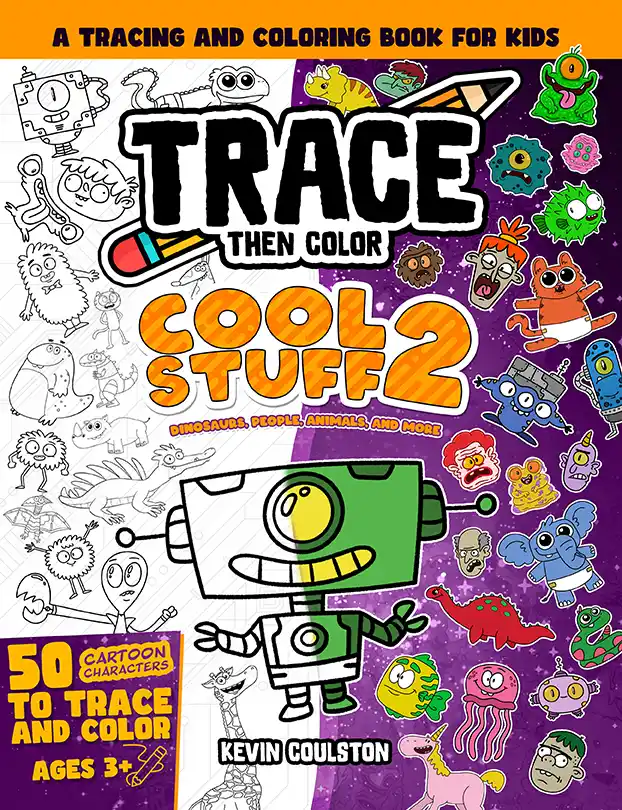
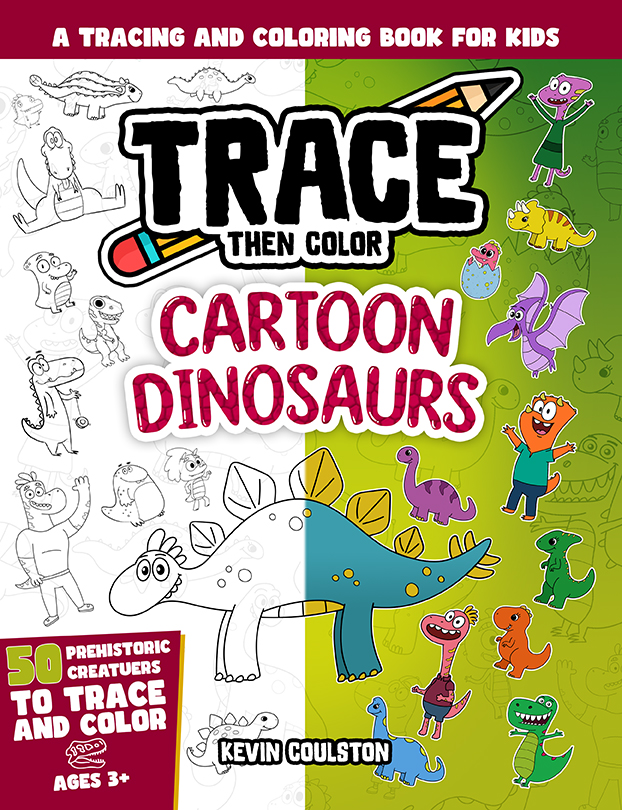
Choose a few friendly, simple characters. Avoid busy, detailed pages in the calm corner. Soft animals from Trace Then Color: Baby Animals and Trace Then Color: Cute Cartoon Animals are gentle choices. Pull out a handful of pages so the corner always has a fresh supply.
A feelings chart
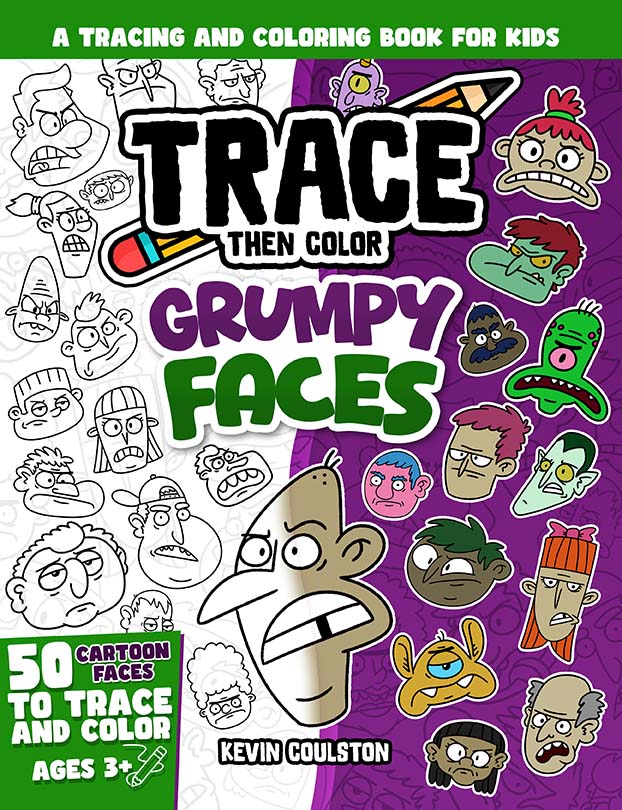
A simple chart of faces showing different feelings helps kids name what they feel. Coloring a grumpy face from Trace Then Color: Grumpy Faces can even be a funny, gentle way to admit "I’m feeling grumpy." See color the feeling.
Other calming tools
- A squishy ball or fidget
- A glitter jar to watch settle
- Breathing cards (smell the flower, blow out the candle)
- A soft toy
Teach it when calm
The most important step: introduce the corner when your child is calm. Show them what is there, practice coloring a page and practice a breathing exercise. Then, when big feelings come, the corner is familiar and inviting.
How to use it
- Invite, don’t send. "Would the calm corner help right now?" rather than "Go to the corner."
- Let them choose the activity. Coloring, squeezing, breathing or just sitting.
- Stay close, especially with young kids. Some children want space; others want you nearby.
- Check in afterward. "Do you feel ready? Want to talk about it?"
- Return to the day. No lecture needed.
Keep it fresh
Swap the coloring pages every week or two. Seasonal pages help: a pumpkin in October, a snowman in December. Kids are more likely to use a corner that feels new.
In the classroom
Classroom calm corners work the same way. Teachers often set a short time limit, such as five minutes with a sand timer, and teach the whole class how to use the space. See coloring ideas for school counselors.
Questions parents ask
Isn’t a calm-down corner just a time-out?
No. A time-out is a consequence chosen by an adult. A calm corner is a tool the child chooses to help themselves.
How long should my child stay?
As long as they need, within reason. Many kids settle in five to ten minutes.
What if my child scribbles angrily on the page?
That is fine. Scribbling hard can release tension. They can color a fresh page once they feel calmer. See coloring through big feelings.

About Kevin Coulston
Kevin Coulston is a cartoonist and member of the National Cartoonists Society who has written and illustrated more than 100 drawing, tracing and coloring books for kids, including the Trace Then Color series. Meet Kevin or browse all his books on FirstArtBooks.com.