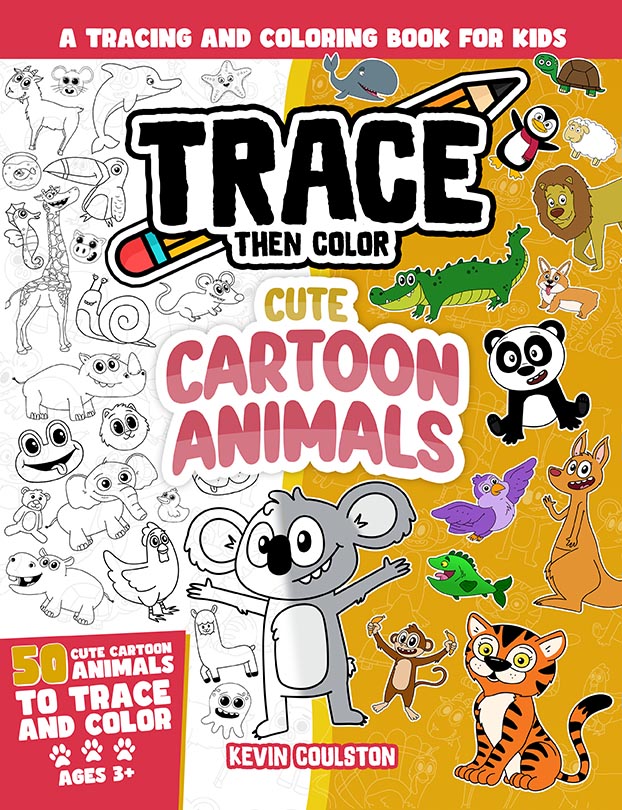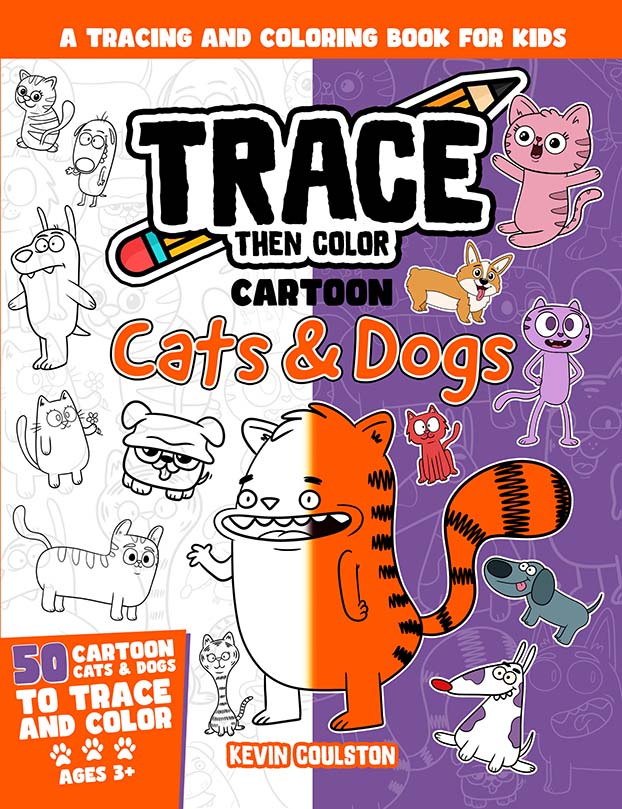
It is one of the most common questions parents ask about coloring. The short answer: most children start coloring mostly inside the lines between about 4 and 6, and get steadily more precise through age 7 and beyond. But there is a lot of variation, and that’s normal.
What it takes
Coloring inside the lines is harder than it looks. It requires:
- A controlled grip, ideally fingertips rather than fist
- Hand and wrist strength to make small movements
- Hand-eye coordination to see the edge coming and slow down
- Visual perception to see where one space ends
- Patience and interest in being careful
All of these develop gradually.
Typical progress
- Age 2 to 3: Scribbles over and around the picture.
- Age 3 to 4: Roughly in the shape, lots of spillover.
- Age 4 to 5: Mostly in big shapes, some spillover at edges.
- Age 5 to 6: Mostly in the lines, careful at edges.
- Age 7+: Neat and precise when they want to be.
Gentle ways to help
Big, bold shapes first
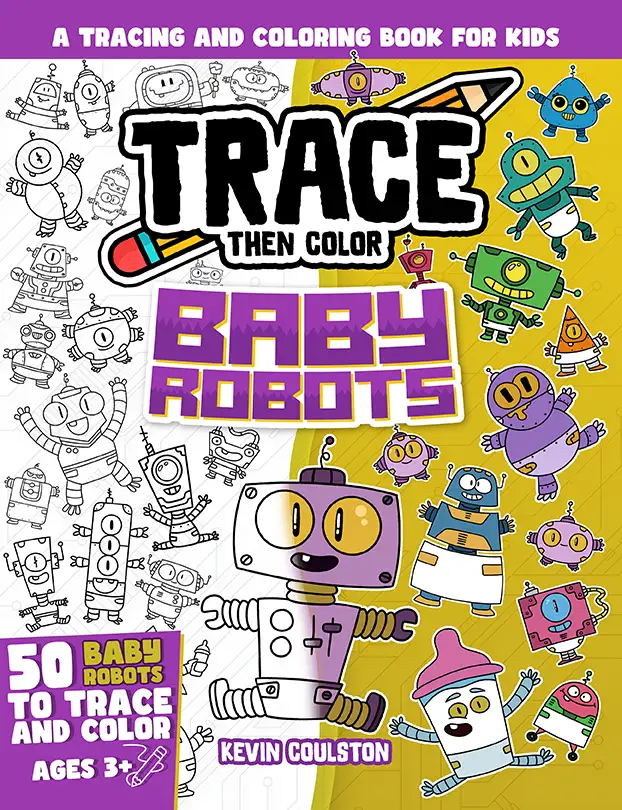
Bold outlines and big spaces are easier to stay inside. Trace Then Color: Cute Cartoon Animals and Trace Then Color: Cartoon Cats and Dogs are good for practice.
Outline first
Color just inside the edge first, then fill the middle. This is the single most effective trick. See outline first, then fill.
Short crayons
They encourage a fingertip grip. See crayon grip tips.
Slow down near edges
"Slow down when you get close to the line, like a car at a stop sign."
Trace first
Tracing an outline before coloring builds edge awareness. See why trace first?.
Don’t make it a rule
"Stay inside the lines" can become stressful. Present tricks as helpful, not mandatory. Some of the most creative coloring goes outside the lines on purpose. See coloring and perfectionism and coloring inside the lines tips.
When to check in
If your child is 6 or older and coloring control is very difficult despite practice, or they avoid all fine motor tasks, talk to their teacher or pediatrician.
Questions parents ask
Is it bad to color outside the lines?
No. It’s a normal stage and sometimes a creative choice.
Should I praise neat coloring?
Praise effort and choices more than neatness. Neatness comes with time.
Do coloring books with thick lines help?
Yes. Thick, bold outlines are easier for young children to see and stay inside.

About Kevin Coulston
Kevin Coulston is a cartoonist and member of the National Cartoonists Society who has written and illustrated more than 100 drawing, tracing and coloring books for kids, including the Trace Then Color series. Meet Kevin or browse all his books on FirstArtBooks.com.