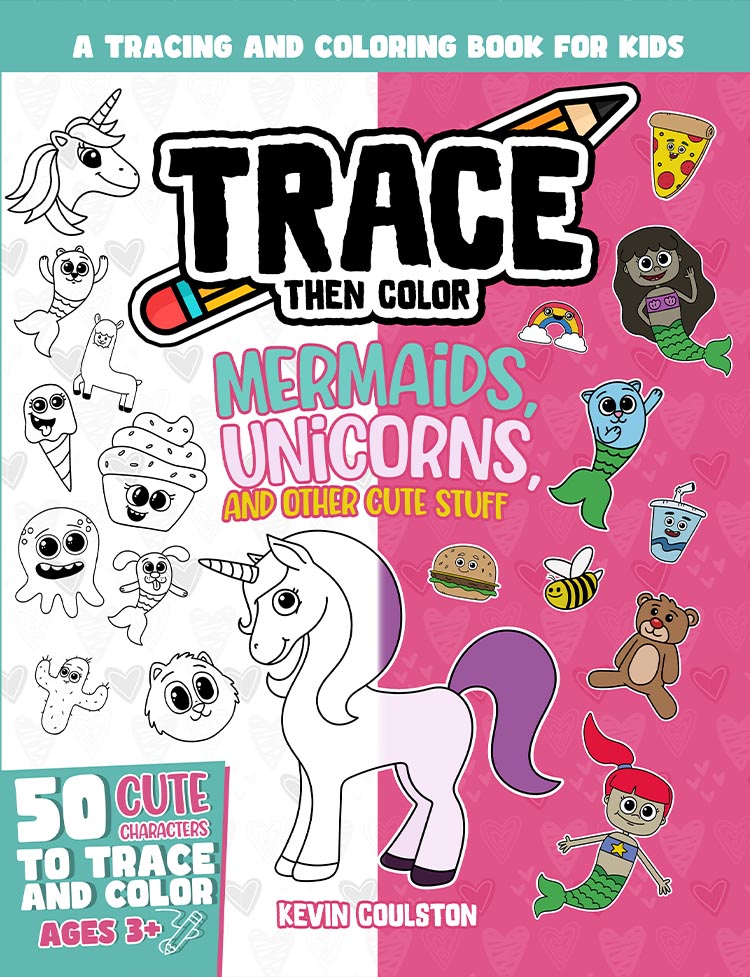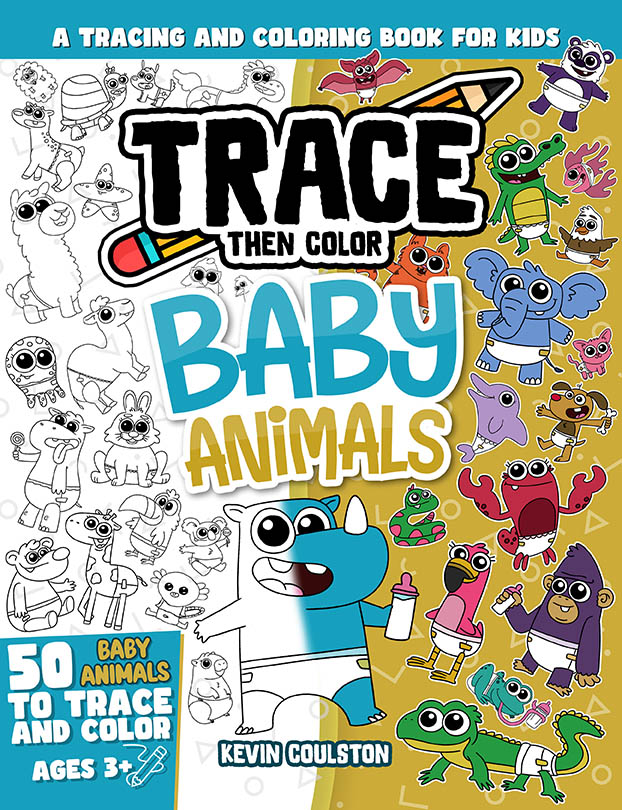
Somewhere around second or third grade, many kids start to feel that coloring is "for babies." Some quietly keep coloring at home; some stop altogether. But coloring has plenty to offer older kids, and with the right approach it can feel just as grown-up as any other art.
Why older kids benefit
Calm
Coloring is a well-known relaxation activity for adults. Older kids face more pressure at school and socially, and coloring offers a simple, screen-free way to unwind.
Creativity
Older kids can explore techniques, color theory and design. Coloring becomes a canvas for real artistic choices.
Fine motor skills
Handwriting and other detailed tasks still benefit from hand control.
Focus
Detailed coloring builds sustained attention, which helps with homework and reading.
Making it age-appropriate
Cool subjects
Older kids want characters that feel cool, funny or gross, not cute. Good picks:
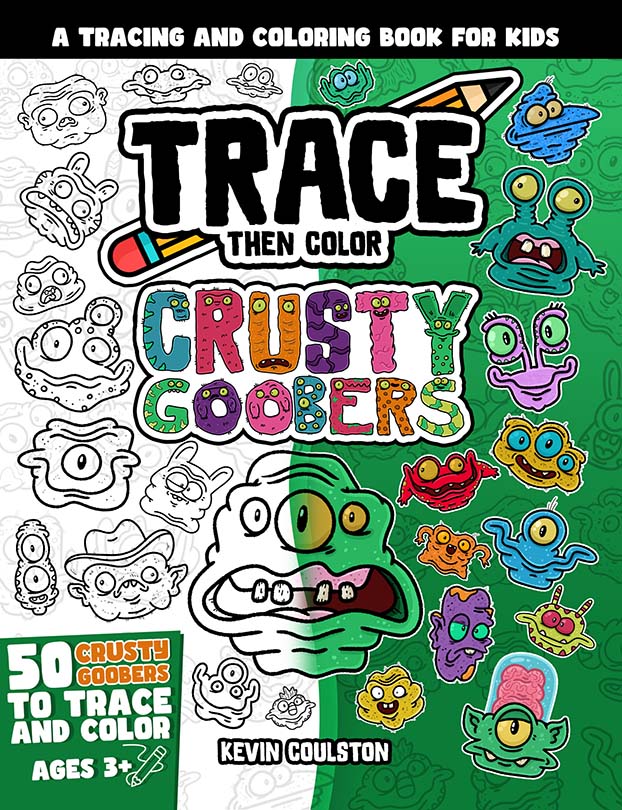
- Trace Then Color: Crusty Goobers: gross-out humor.
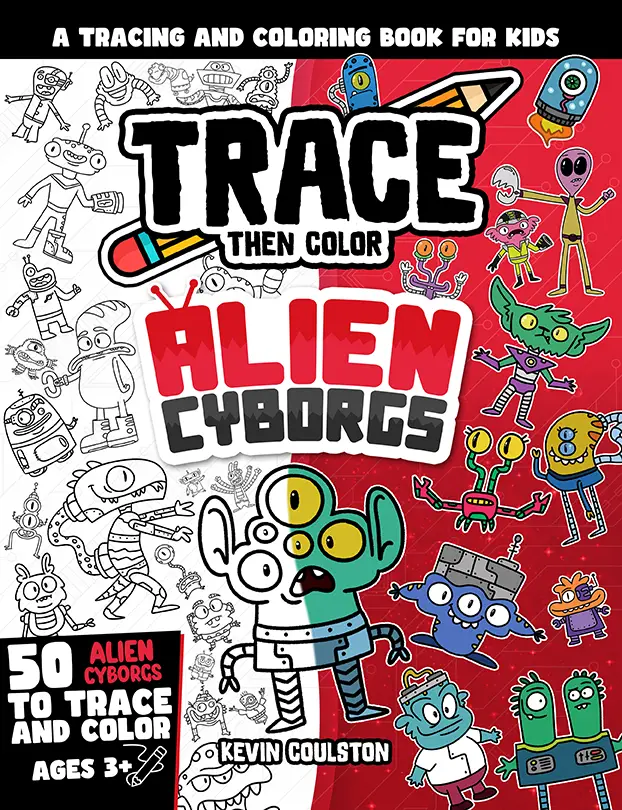
- Trace Then Color: Alien Cyborgs: sci-fi detail.
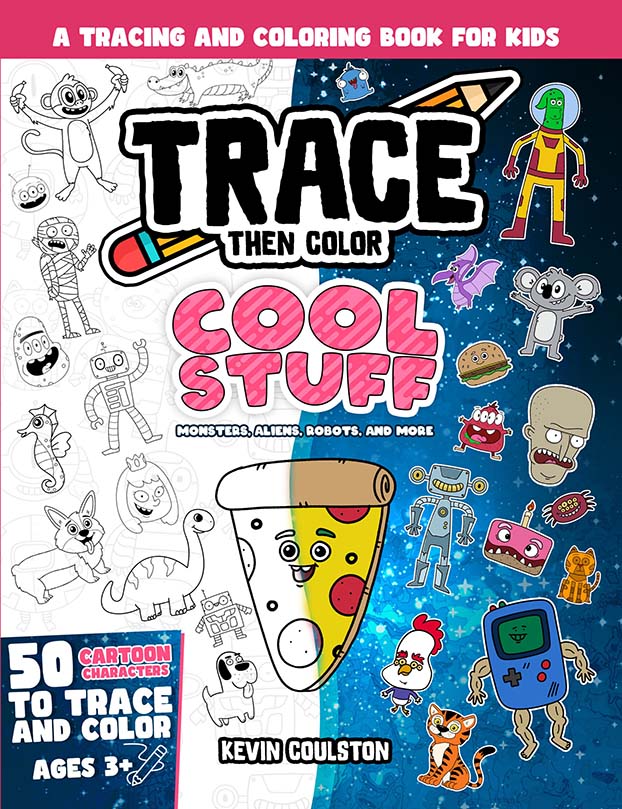
- Trace Then Color: Cool Stuff: monsters, aliens and robots.
Real techniques
Shading, blending, highlights and texture. See the tools and techniques posts.
Grown-up supplies
Quality colored pencils, fine liners and gel pens.
Projects
Comics, trading cards, character redesigns, gifts.
Adults color too
The adult coloring trend took off in the mid-2010s, and it has stuck around. Many adults find coloring relaxing. Telling older kids that grown-ups color too can make it feel cool again.
Coloring with older kids
Color with them. Older kids often enjoy relaxed side-by-side time with a parent, and conversation flows more easily when hands are busy.
Questions parents ask
My 9-year-old says coloring is babyish. Should I let it go?
Offer cooler books and supplies without pressure. Some kids come back to it; some move to drawing.
Is coloring a waste of time for older kids?
No. It offers calm, creativity and focus. It’s a healthy hobby.
Do teens color?
Many do, especially to relax. Detailed or quirky books appeal to them.
About Kevin Coulston
Kevin Coulston is a cartoonist and member of the National Cartoonists Society who has written and illustrated more than 100 drawing, tracing and coloring books for kids, including the Trace Then Color series. Meet Kevin or browse all his books on FirstArtBooks.com.