Some kids zip through coloring pages, stay perfectly inside the lines and ask, "What next?" If your child has mastered the basics, there’s plenty more to explore. The goal is to keep them challenged and creative.
Advanced techniques
Blending
Layering colors smoothly. See blending colors for kids.
Shading and highlights
Making characters look 3D with light and dark. See easy shading and adding highlights.
Texture
Fur, scales, slime and metal. See coloring fur, scales and metal.
Limited palettes
Color a page with only three colors, or only shades of one color.
Mixed media
Add watercolor, collage or stickers. See mixed media coloring.
Design projects
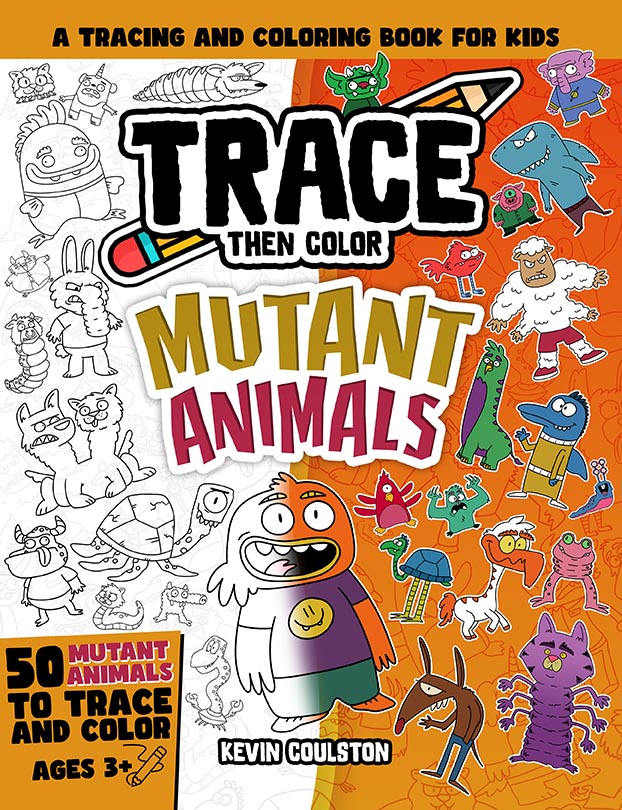
- Redesign: trace a character and change its costume, species or powers. Trace Then Color: Mutant Animals invites wild redesigns.
- Comics: turn characters into a short story.
- Character sheets: one character in three color schemes.
- Board game: color characters as game pieces and design a board.
Detailed characters
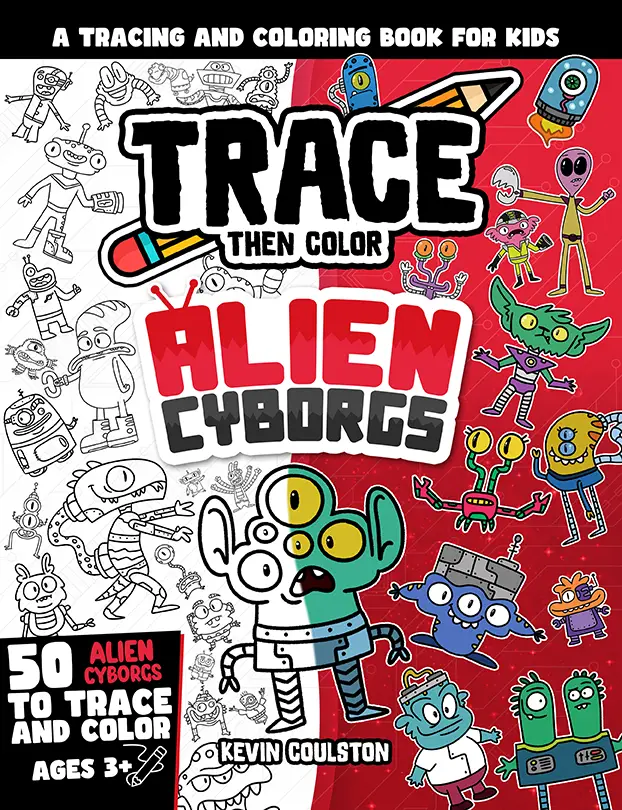
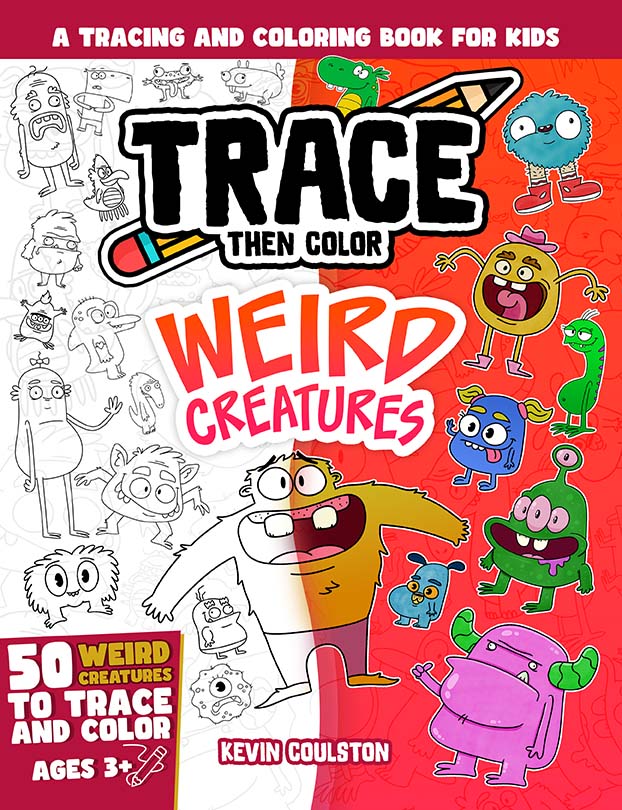
Choose pages with many parts and textures: Trace Then Color: Alien Cyborgs and Trace Then Color: Weird Creatures.
Into drawing
Many advanced colorists are ready to draw their own characters. Encourage:
- Adding details to traced characters
- Copying a character freehand
- Inventing new ones
See from tracing to drawing. Step-by-step drawing books on our sister site BestDrawingBooks.com are a natural next step.
Keep it enjoyable
Advanced kids can sometimes become perfectionists. Keep the focus on exploration and fun, not just neatness. See coloring and perfectionism.
Questions parents ask
My 5-year-old colors like a 9-year-old. What should I offer?
Detailed pages, quality supplies and techniques. Follow their interest and let them lead.
Should I enroll my child in art classes?
If they’re keen, art classes can be wonderful. Coloring and drawing at home are valuable too.
Is coloring holding back an artistic child?
No. Coloring builds color sense and control. Offer drawing and other art alongside it.

About Kevin Coulston
Kevin Coulston is a cartoonist and member of the National Cartoonists Society who has written and illustrated more than 100 drawing, tracing and coloring books for kids, including the Trace Then Color series. Meet Kevin or browse all his books on FirstArtBooks.com.