Blending means mixing colors on the page so they fade into each other. It’s how kids make sunsets, rainbow manes and shiny fish scales. It’s also a fun way to learn color mixing.
Method 1: Overlap
Color one color, then color the next one starting slightly over the first. The overlap creates a mixed zone. Yellow overlapping red makes orange.
Method 2: Light layering
Color a light layer of one color, then a light layer of another on top. Light pressure is key.
Method 3: Light to dark
Use two shades of one color. Color light first, then go over part of it with dark, easing pressure as you move toward the light side.
Method 4: Blend with white
With colored pencils or crayons, go over two colors with a white pencil or crayon, pressing firmly. It smooths and mixes them.
Which tools blend best?
| Tool | Blending |
|---|---|
| Colored pencils | Easiest, especially soft ones |
| Crayons | Works well with light layers |
| Markers | Hard; color while wet or use a lighter marker over a darker one |
| Watercolor pencils | Blend with a damp brush. See watercolor pencils for kids. |
Great pages for blending
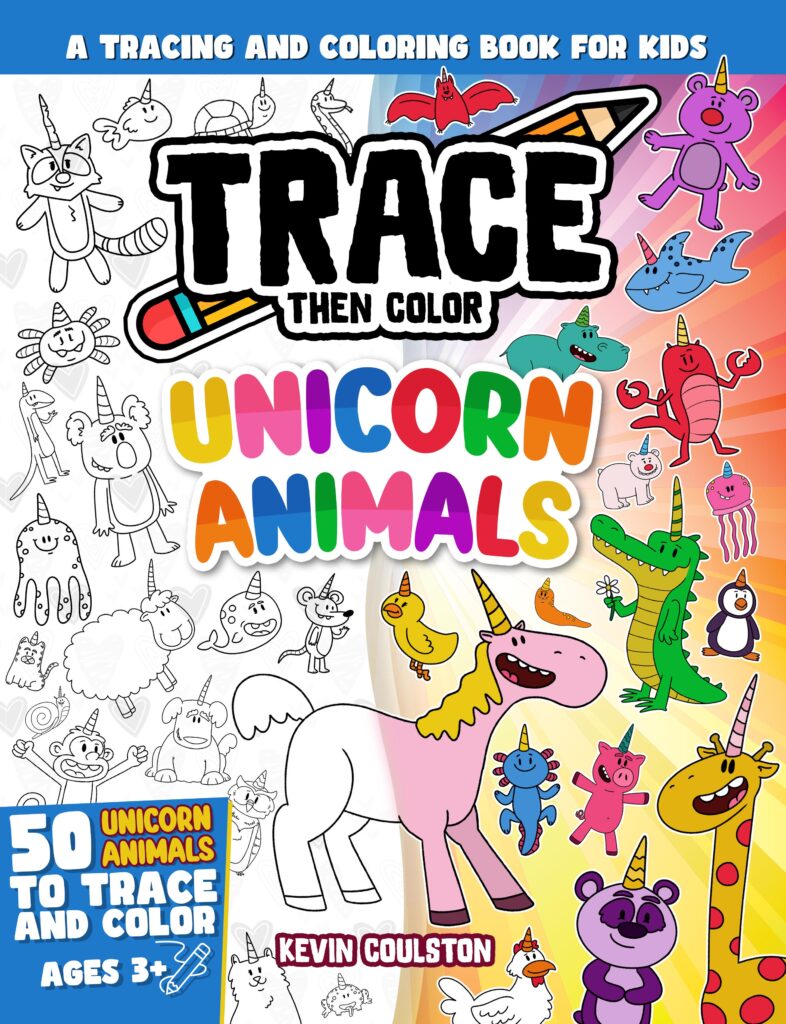
- Rainbow manes in Trace Then Color: Unicorn Animals
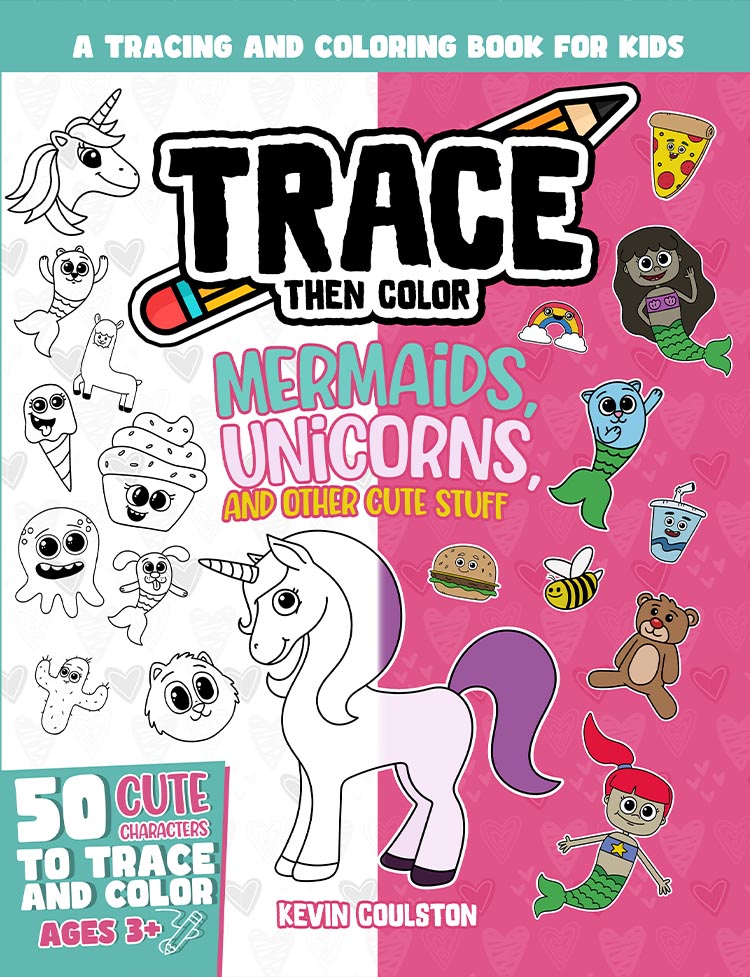
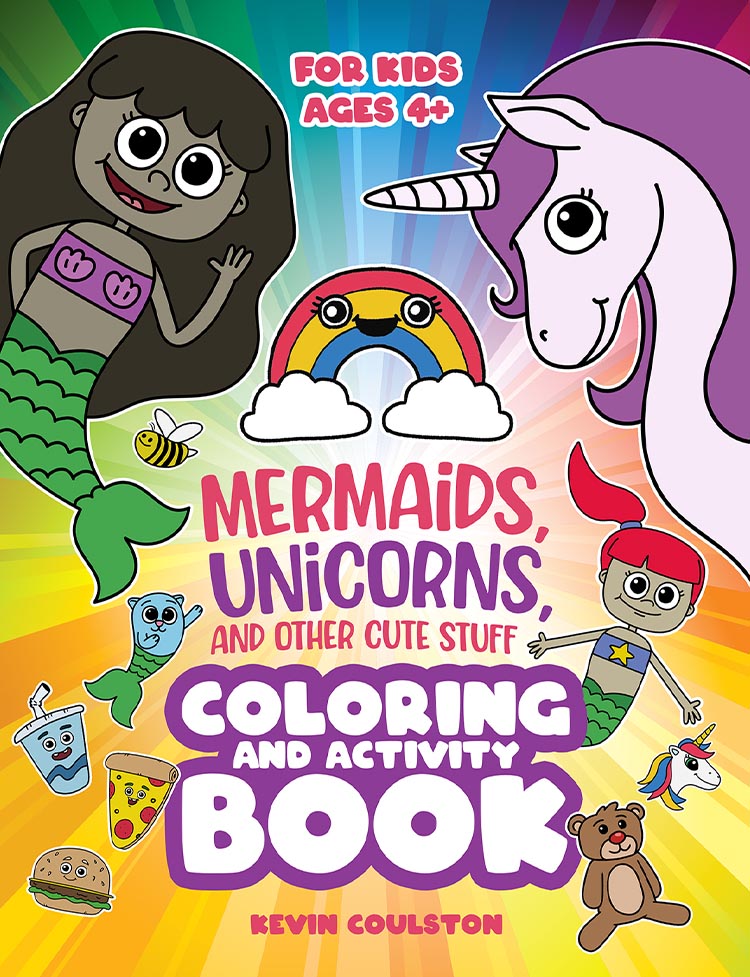
- Mermaid tails in Trace Then Color: Mermaids, Unicorns and Other Cute Stuff
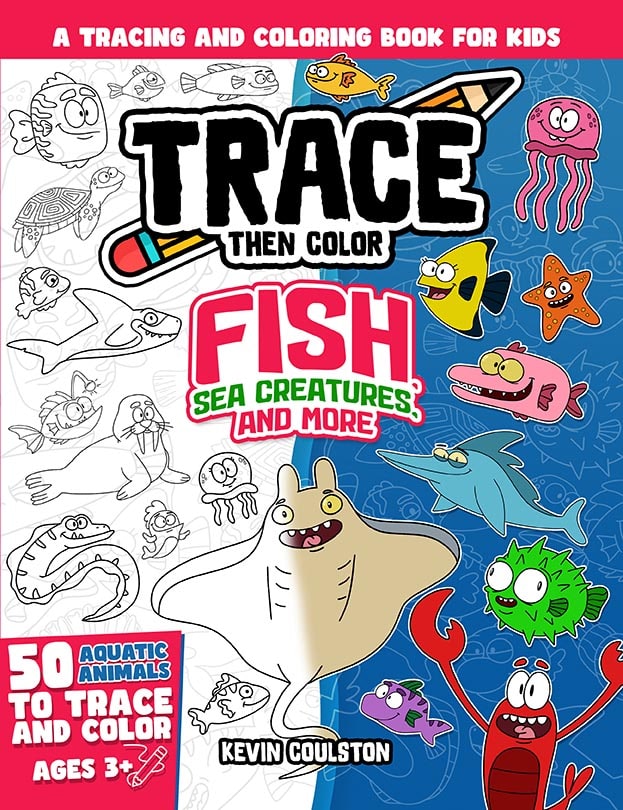
- Fish fins in Trace Then Color: Fish, Sea Creatures and More
A color mixing lesson
Blending teaches primary and secondary colors. Have kids blend red and yellow, yellow and blue, blue and red, and name the colors they made. See choosing colors that go together.
Light pressure is the secret. If kids press too hard at first, the paper fills up and won’t take a second color.
Questions parents ask
Why won’t my child’s colors blend?
Usually too much pressure on the first layer. Start lighter.
Can toddlers blend?
They can scribble colors over each other, which is a great start.
Do I need special blending pencils?
No. Ordinary soft colored pencils blend well.

About Kevin Coulston
Kevin Coulston is a cartoonist and member of the National Cartoonists Society who has written and illustrated more than 100 drawing, tracing and coloring books for kids, including the Trace Then Color series. Meet Kevin or browse all his books on FirstArtBooks.com.