For years, detailed adult coloring books were everywhere. Now one of the biggest trends is the opposite: bold and easy pages, with thick outlines and big shapes. Kids have always loved them, and the reasons are worth knowing.
What makes a page bold and easy?
- Thick outlines that are easy to see and stay inside
- Big shapes with few tiny spaces
- Simple scenes with one main character
- Quick to finish in one sitting
Why they’re popular
- Less frustration. Big shapes are easier to fill neatly.
- Satisfying. Finishing a page in 15 minutes feels great.
- Relaxing. Less concentration on tiny details means more calm. See mindful coloring for kids.
- Great for any tool. Markers, crayons and pencils all work well.
Who they’re best for
- Toddlers and preschoolers learning to color
- Kids who get frustrated by detailed pages
- Kids with fine motor challenges
- Beginners of any age
- Anyone who wants a quick, calm activity
Bold and easy picks
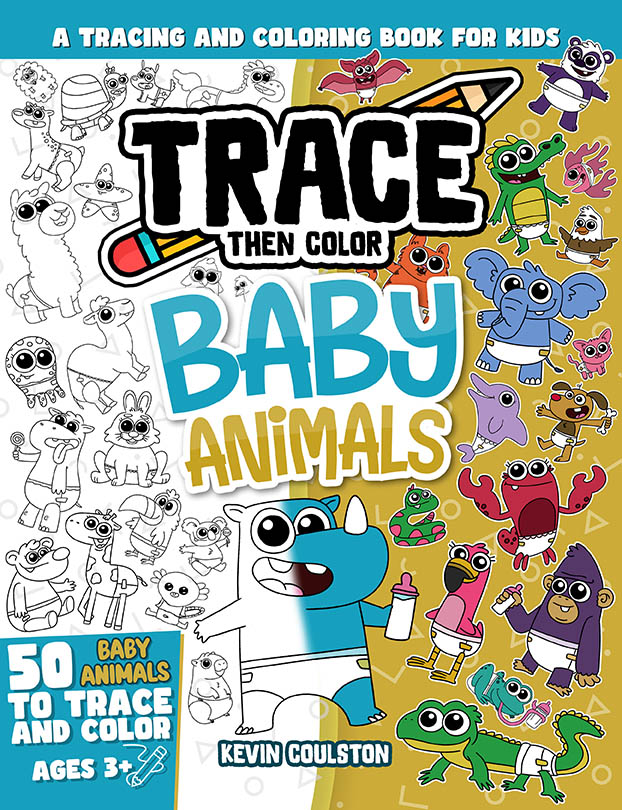
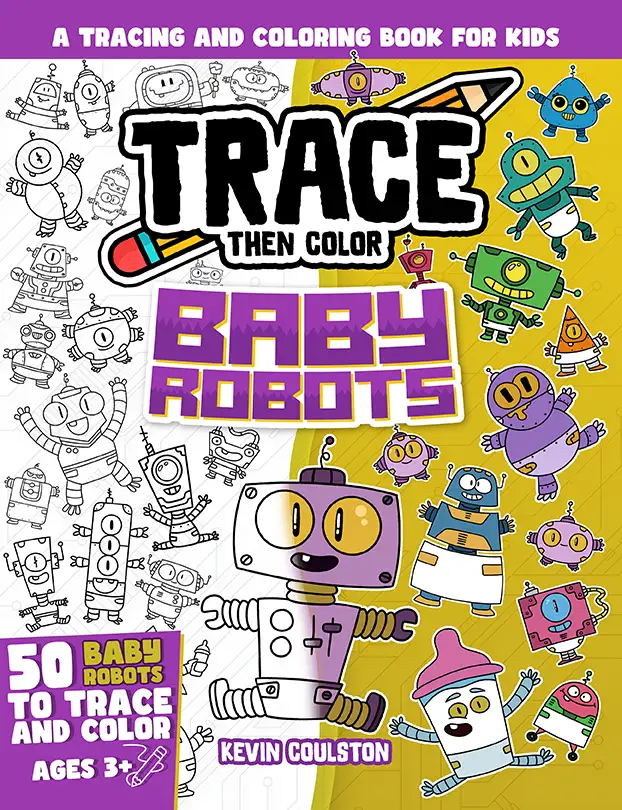
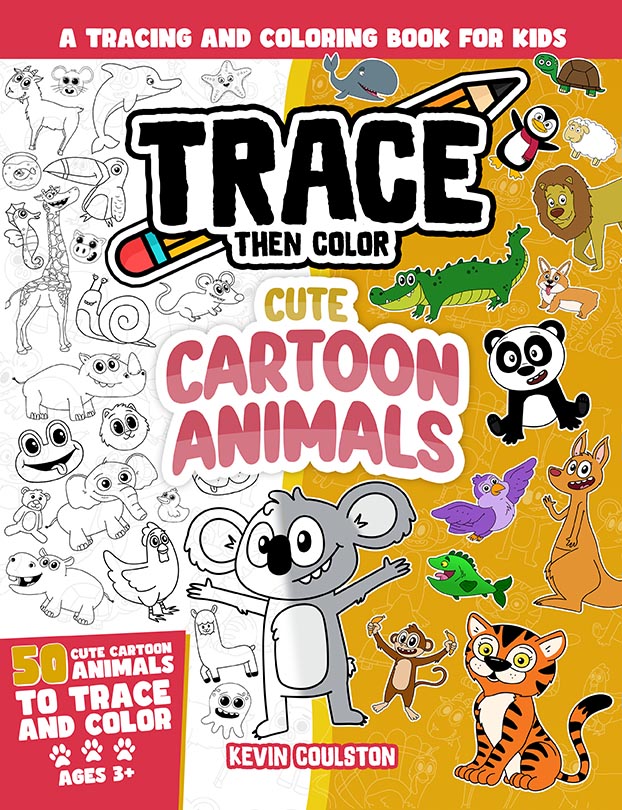
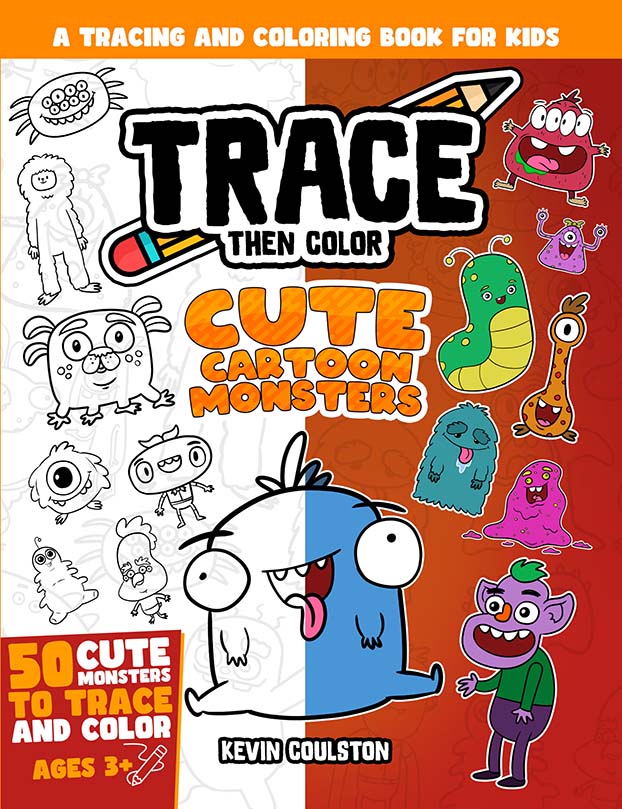
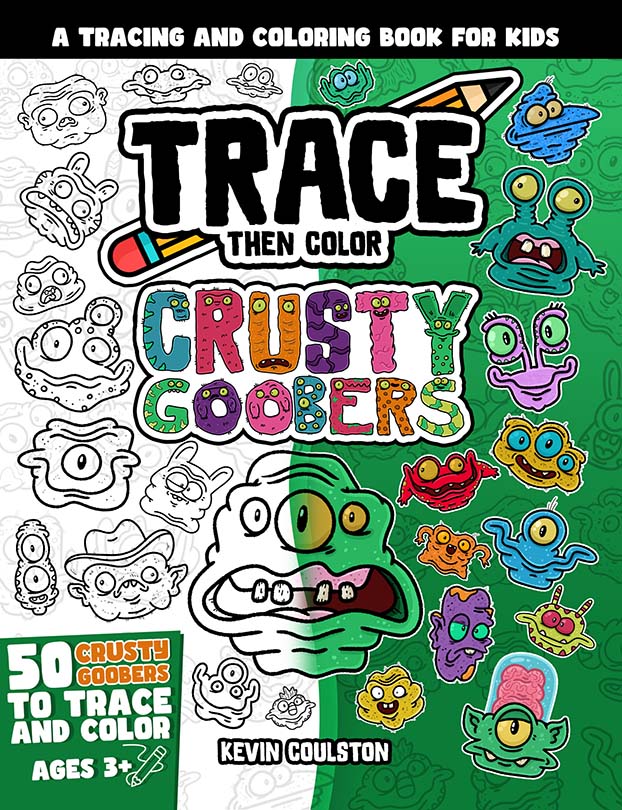
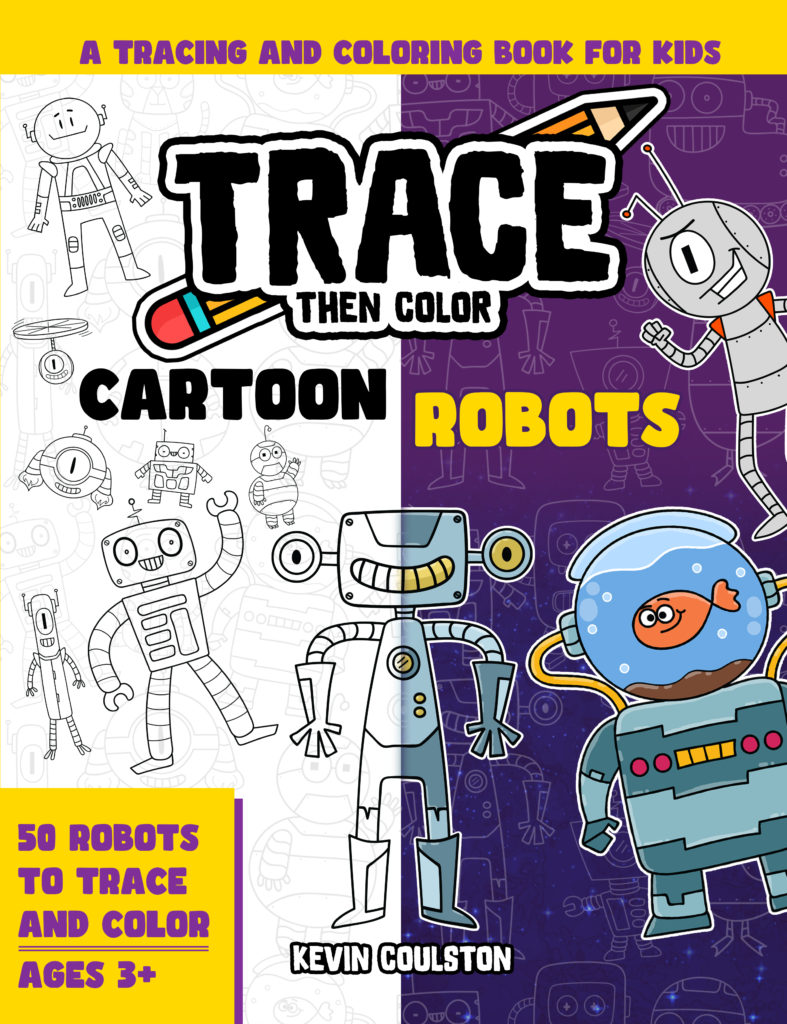
Big, friendly characters like Trace Then Color: Baby Animals, Trace Then Color: Baby Robots and Trace Then Color: Cute Cartoon Animals have bold lines and simple shapes.
Simple doesn’t mean boring
Bold pages leave room for creativity: patterns, backgrounds and wild colors. See adding patterns to coloring.
If your child abandons detailed pages, try a bold one. Many kids who "don’t like coloring" just need bigger shapes.
Questions parents ask
Are bold pages too babyish for older kids?
Not if the characters are fun. Funny or cool characters appeal to all ages.
Do bold pages build skills?
Yes. They build confidence first, which leads to more coloring and more practice.
When should kids move to detailed pages?
When big shapes feel easy and they ask for more challenge. See coloring page difficulty by age.

About Kevin Coulston
Kevin Coulston is a cartoonist and member of the National Cartoonists Society who has written and illustrated more than 100 drawing, tracing and coloring books for kids, including the Trace Then Color series. Meet Kevin or browse all his books on FirstArtBooks.com.