Back to school is exciting and nerve-wracking. Coloring helps kids get ready, both their hands and their feelings.
Warm up for school
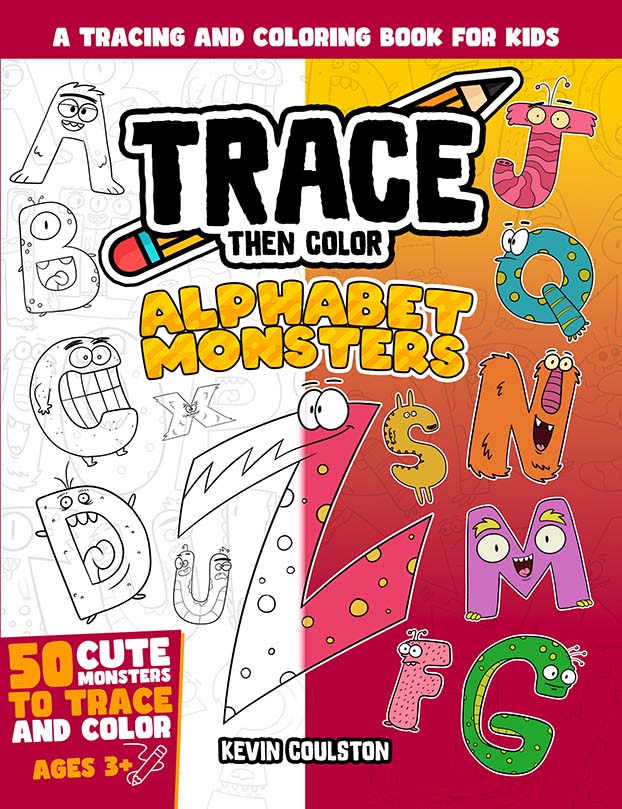
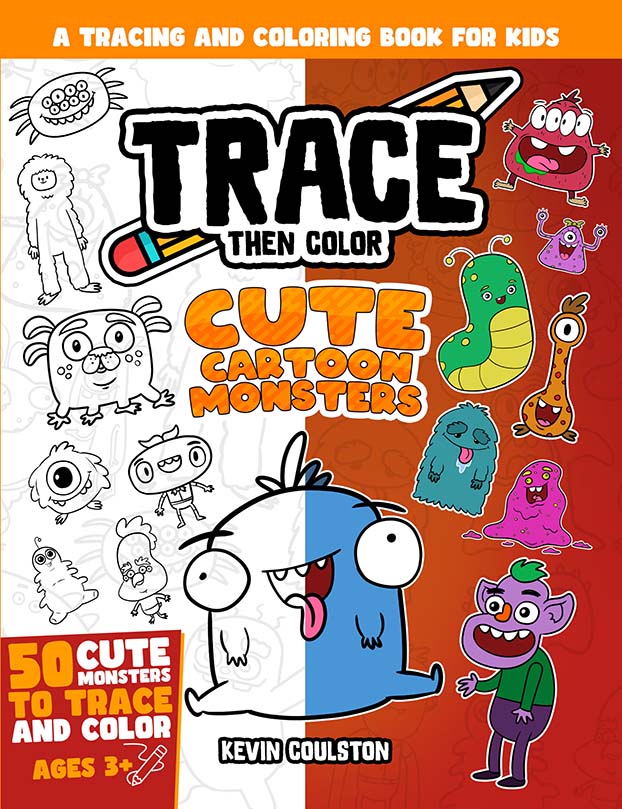
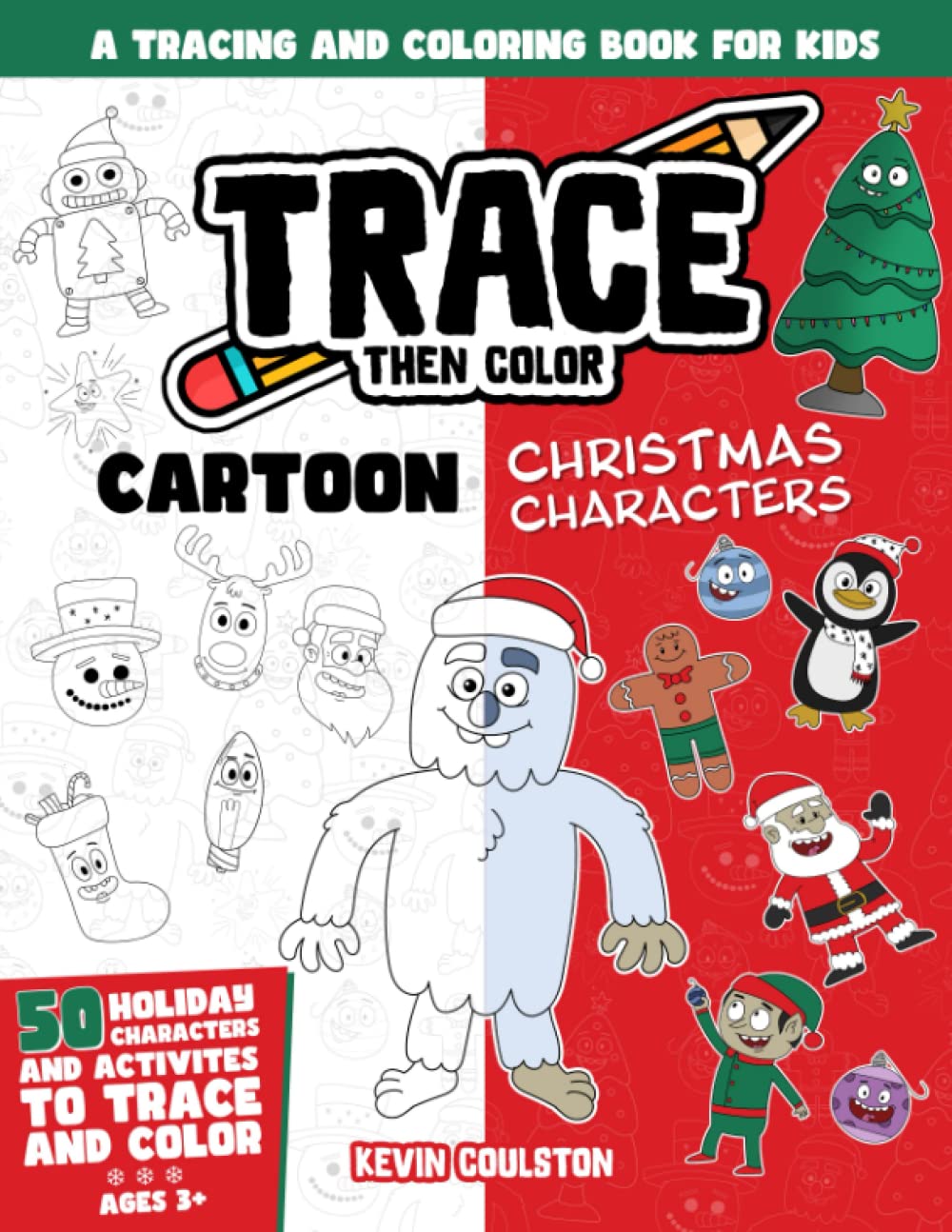
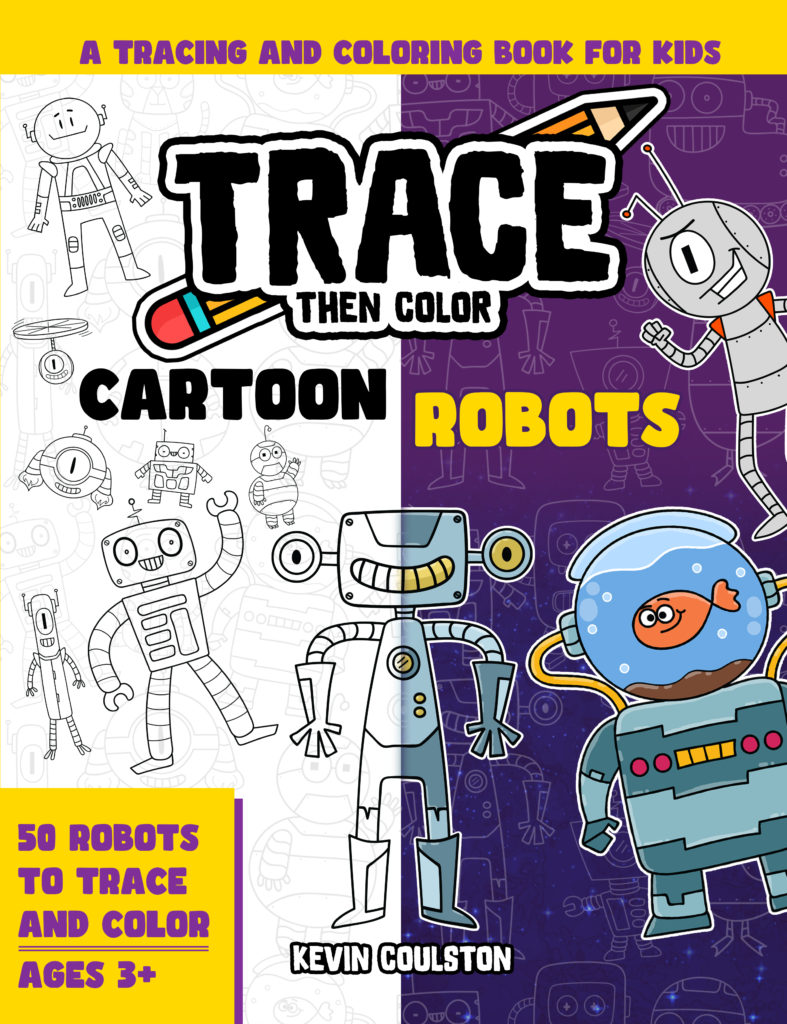
After a summer off, kids’ fine motor skills can feel rusty. A few weeks of coloring and tracing before school starts helps get hands ready for writing. Letter pages from Trace Then Color: Alphabet Monsters mix tracing and coloring. See coloring and fine motor skills.
Ease first-day nerves
- Color and talk. Coloring side by side makes it easier to talk about worries.
- Draw the day. Color pictures of what the first day might look like.
- Calm tool. A coloring page in the backpack can help on a nervous morning.
See coloring for anxious kids.
Build routines
Start the school routine a week early: same wake-up time, then a short coloring session at the time school would start.
Getting-to-know-you pages
Teachers often start the year with coloring:
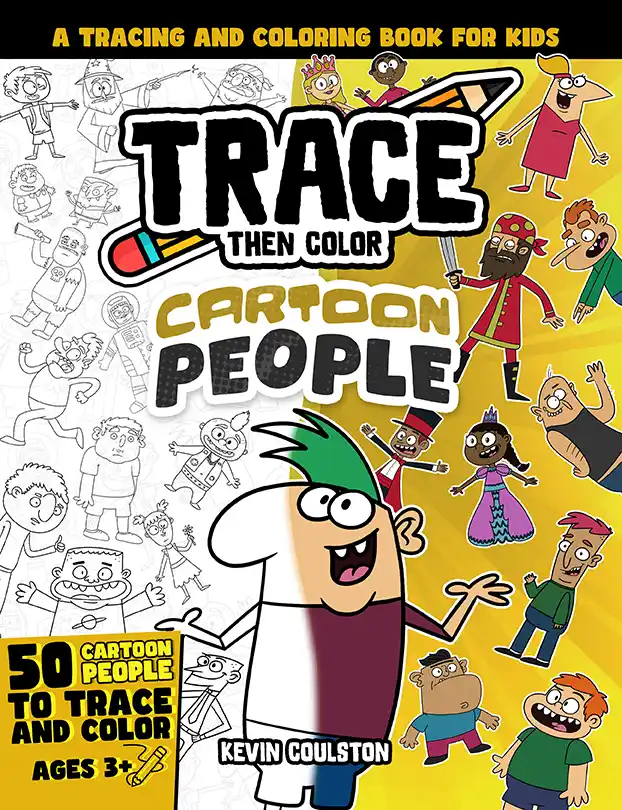
- All about me. Color a person to look like you with Trace Then Color: Cartoon People.
- Favorite things. Color your favorite animal, food or character.
- Class mural. Everyone colors one character for a welcome wall.
See coloring in the classroom.
First-day keepsake
Have your child color the same page each first day of school. Over the years, you’ll see how much they’ve grown.
Back-to-school supplies
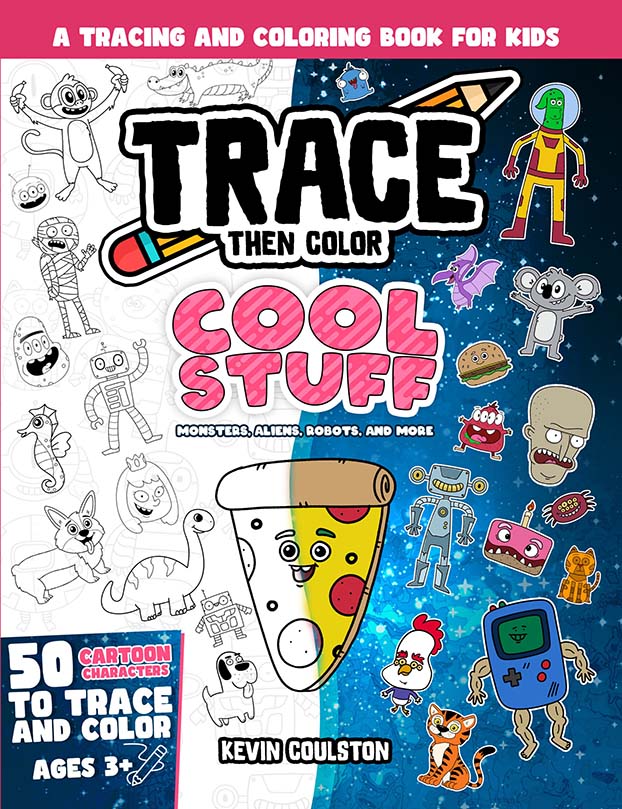
Back-to-school sales are a great time to stock up on crayons, pencils and coloring books like Trace Then Color: Cool Stuff. See classroom coloring supplies.
Pack a small coloring kit for after-school decompression. See after-school coloring.
Questions parents ask
Can coloring help with school readiness?
It builds fine motor skills, focus and following simple directions.
My child is scared of starting school. Can coloring help?
It can give you a calm way to talk. If anxiety is severe, talk with the school or your pediatrician.
When should we start practicing?
Two to three weeks before school starts is plenty.

About Kevin Coulston
Kevin Coulston is a cartoonist and member of the National Cartoonists Society who has written and illustrated more than 100 drawing, tracing and coloring books for kids, including the Trace Then Color series. Meet Kevin or browse all his books on FirstArtBooks.com.