Warm and cool colors are one of the first color ideas kids learn in art class, and one of the most useful. They help kids understand that color is not just decoration; it changes how a picture feels.
What are warm and cool colors?
- Warm colors: red, orange, yellow and their mixes, like pink and gold. They remind us of fire, sunshine and heat.
- Cool colors: blue, green, purple and their mixes, like teal and lavender. They remind us of water, ice, grass and night.
On a color wheel, warm colors sit on one side and cool colors on the other.
How they change mood
- Warm colors feel energetic, exciting, happy or even angry.
- Cool colors feel calm, peaceful, sad or chilly.
Ask kids: "Which colors feel like summer? Which feel like winter?"
Activities
Twin dinosaurs
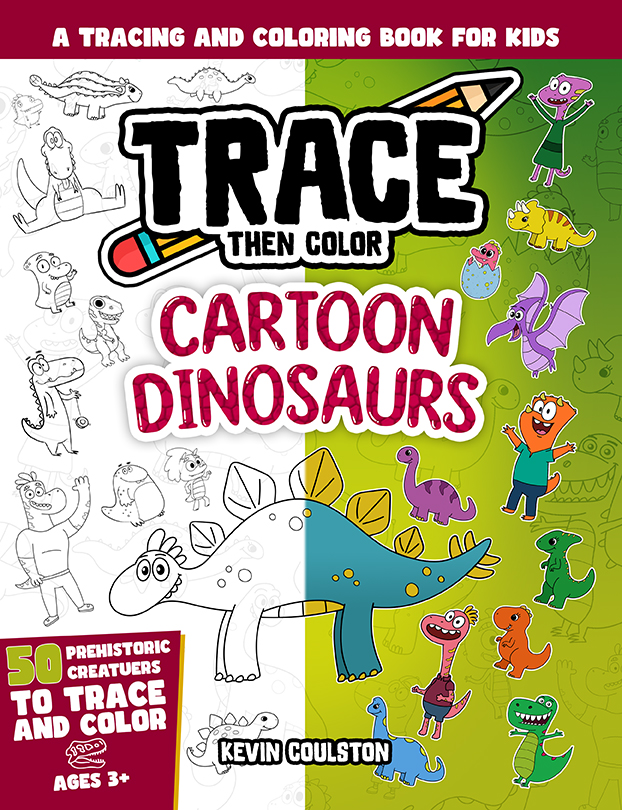
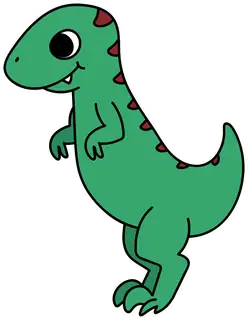
Color the same character twice: once only in warm colors, once only in cool colors. Put them side by side. Which looks friendlier? Which looks fiercer? Dinosaurs are great for this because a "fire" dinosaur and an "ice" dinosaur are both cool ideas. Trace Then Color: Cartoon Dinosaurs works perfectly.
Warm character, cool background
Color the character in warm colors and the background in cool colors. The character pops forward. This is a trick artists use all the time.
Temperature sort
Dump the crayon box and sort into warm and cool piles. Discuss the tricky ones: is green-yellow warm or cool?
Weather pages
Color a sunny day page in warm colors and a rainy day page in cool colors.
Spooky cool, cozy warm
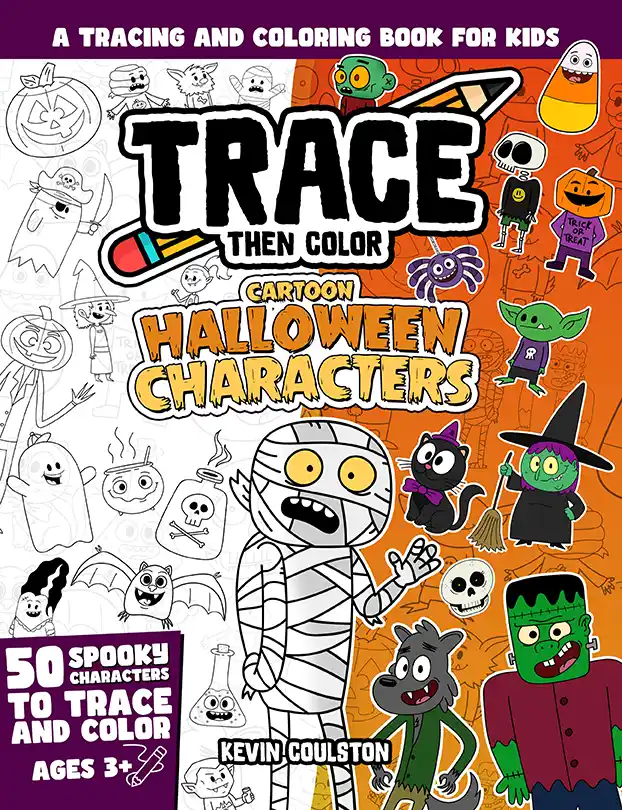
Halloween characters show this beautifully. A ghost in cool blues and purples looks eerie; a pumpkin in warm oranges looks cozy. Trace Then Color: Cartoon Halloween Characters lets kids try both.
Words to use
Introduce the words "warm" and "cool," and describing words like "fiery," "sunny," "icy" and "calm." See describing words coloring.
Connect to feelings
Ask how a picture makes them feel. Kids often say warm pictures feel happy or excited and cool ones feel calm or sleepy. There are no wrong answers, and different people feel different things.
Next steps
Once kids know warm and cool, they can try choosing color schemes on purpose. See picking colors that go together.
Questions parents ask
What age is this lesson for?
Kindergarteners and up usually grasp warm and cool colors easily. Preschoolers can enjoy the sorting game.
Is green warm or cool?
Usually cool, but a yellow-green can feel warm. Some colors sit in between, which makes for good discussion.
Are brown and black warm or cool?
They are often considered neutral. Brown can lean warm, and many artists treat black and gray as neutral.

About Kevin Coulston
Kevin Coulston is a cartoonist and member of the National Cartoonists Society who has written and illustrated more than 100 drawing, tracing and coloring books for kids, including the Trace Then Color series. Meet Kevin or browse all his books on FirstArtBooks.com.