Learning the alphabet is one of the first big academic steps for young children. Kids need to learn 26 shapes, 26 names and the sounds they make, plus uppercase and lowercase. That is a lot, and repetition is the key. Coloring makes that repetition fun.
Why alphabet coloring works
- It is multi-sensory. Kids see the letter, trace it with their hand and say its name.
- Pictures help memory. A letter linked to a memorable character is easier to recall.
- It is slow. Coloring keeps a child looking at the letter for minutes, not seconds.
- It is low pressure. No one is testing them.
Monsters make letters memorable
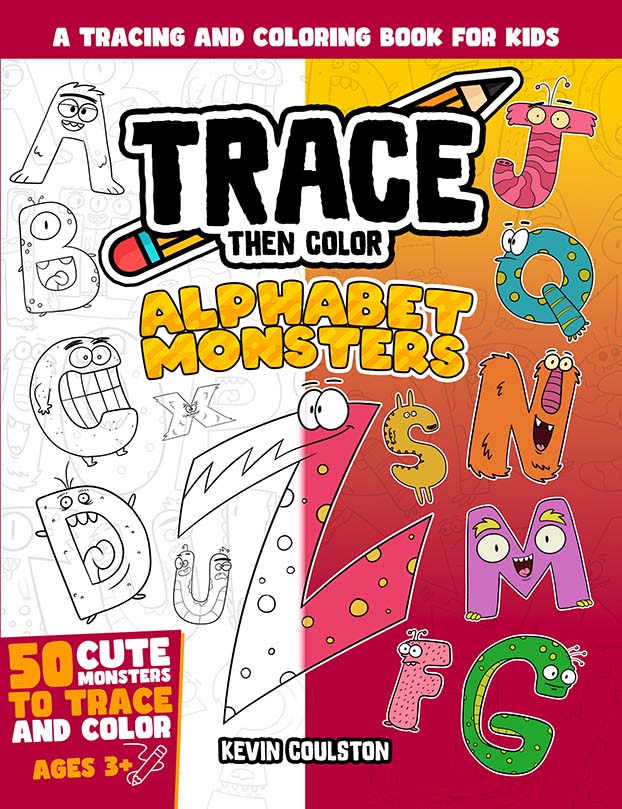
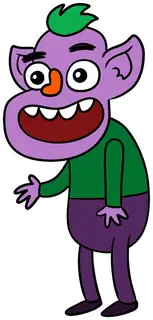
Memorable pictures help letters stick. That is the idea behind Trace Then Color: Alphabet Monsters, which gives every letter its own monster to trace and color. Silly characters make kids want to come back to the page, which means more practice with the letter.
A one-page mini-lesson
For each letter:
- Say the name. "This is the letter M."
- Say the sound. "M says mmm, like monster."
- Trace the letter with a finger, then a crayon.
- Color the character. Talk about it while coloring.
- Find more. "What else starts with mmm? Milk, mom, moon."
- Find it in the wild. Spot the letter on a cereal box or a sign.
That takes ten to fifteen minutes and covers shape, name and sound.
A weekly plan
- Monday: Color the letter page.
- Tuesday: Hunt for the letter in books and around the house.
- Wednesday: Make the letter with play dough.
- Thursday: Color three things that start with the letter.
- Friday: Review the week’s letters and add the page to an alphabet binder.
One or two letters a week is plenty for most preschoolers.
Which order?
You do not have to go A to Z. Many teachers start with letters in the child’s name, then letters with clear sounds such as S, M, T and A. Others use the order of their reading program. Ask your child’s teacher what they use.
Games with alphabet pages
- Monster name game. Invent a name for each monster that starts with its letter: "Marvin the M monster."
- Sound race. Who can think of more words starting with that sound?
- Letter detective. Hide colored letter pages around the house and find them.
- Alphabet parade. Line up colored pages in order on the floor.
Build an alphabet book
Keep every colored letter page in a binder or staple them into a book. Kids love flipping through "their" alphabet, and it is great review. See also tracing pictures vs tracing letters.
Questions parents ask
What age should kids learn the alphabet?
Many children learn to sing the alphabet song around age 3 and recognize most letters by 4 or 5. Kids vary a lot.
Should I teach uppercase or lowercase first?
Many programs start with uppercase because the shapes are simpler, but lowercase is more common in reading. Ask your child’s preschool or kindergarten.
Is the alphabet song enough?
The song helps with letter names and order, but kids also need to recognize letter shapes and sounds. Coloring and tracing help with both.

About Kevin Coulston
Kevin Coulston is a cartoonist and member of the National Cartoonists Society who has written and illustrated more than 100 drawing, tracing and coloring books for kids, including the Trace Then Color series. Meet Kevin or browse all his books on FirstArtBooks.com.