"My hand hurts." "I’m tired." If your child gives up on coloring after a couple of minutes, it might not be boredom. Coloring takes real effort from small muscles in the hand, and those muscles take time to grow strong.
The good news is that coloring itself is one of the best ways to build that strength, as long as you keep it short and enjoyable.
Why little hands get tired
Holding a crayon involves the muscles at the base of the thumb, the small muscles between the finger bones and the muscles that keep the wrist steady. In young children those muscles are still developing. Kids also tend to grip too tightly when they are concentrating, which tires the hand even faster.
Signs of a hand that needs strengthening
- Switching hands often during one session
- Shaking out the hand or complaining that it hurts
- Very light, faint coloring because pressing is hard
- Or the opposite: gripping so tightly the knuckles turn white
- Giving up on pages with large spaces to fill
Coloring ideas that build strength gently
Keep sessions short
Three to five minutes of focused coloring, two or three times a day, beats one twenty-minute session that ends in tears. Set a sand timer and stop when it runs out, even mid-page.
Choose pages with smaller spaces
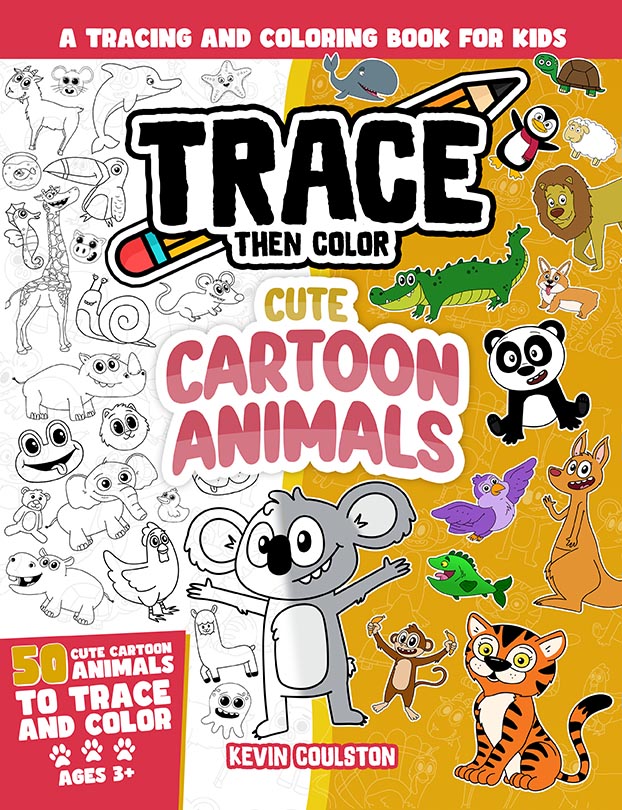
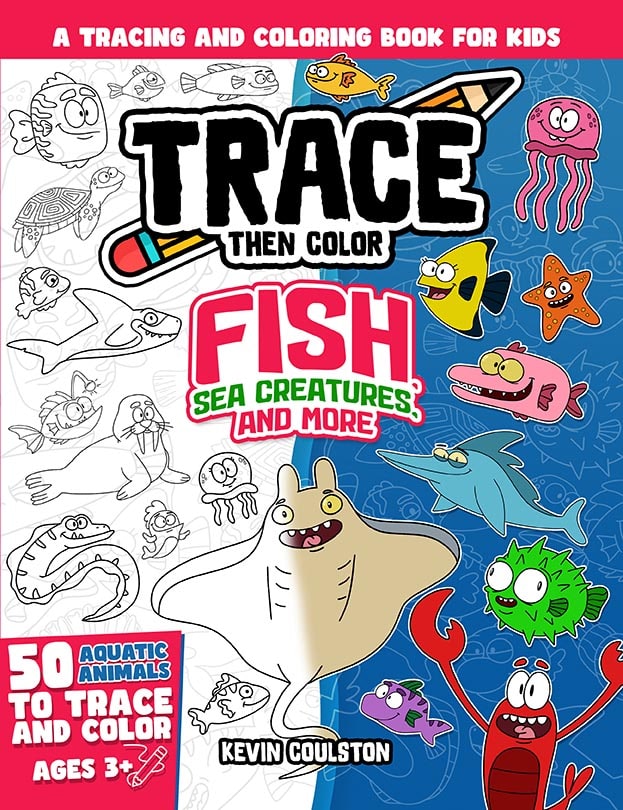
Huge spaces are exhausting to fill. Characters with a mix of medium and small spaces let kids finish sections quickly and feel successful. Round, friendly characters like those in Trace Then Color: Cute Cartoon Animals work well.
Play pressure games
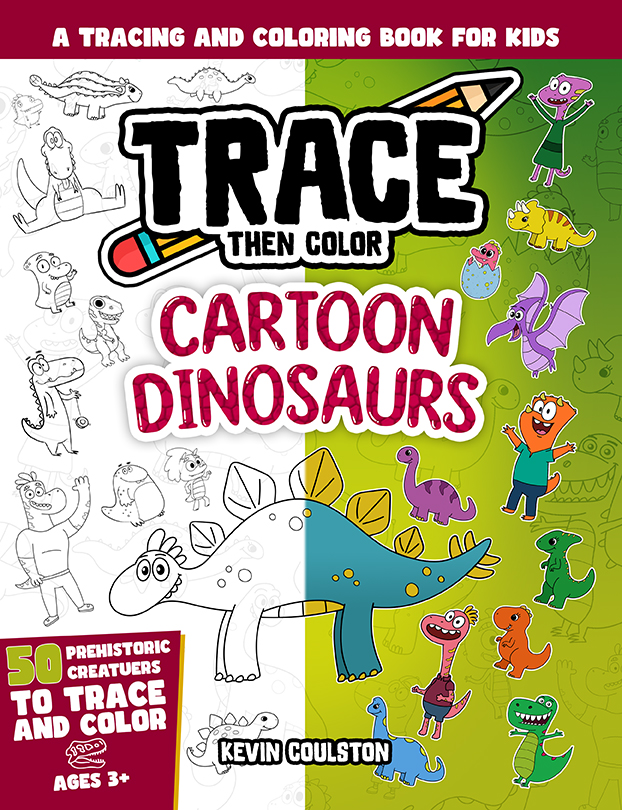
Ask your child to color one dinosaur spike "very lightly" and the next "very darkly." Switching between light and heavy pressure builds strength and control. A spiky stegosaurus from Trace Then Color: Cartoon Dinosaurs is perfect for this. More in crayon pressure games.
Color on a vertical surface
Tape a page to a wall, a window or an easel at your child’s eye level. Coloring upright works the shoulder and wrist muscles that support the hand.
Use different tools
Crayons need more pressure than markers, so they build strength. Markers are less tiring and great for motivation on a low-energy day. Mix both.
Hand-strengthening warm-ups
Before coloring, spend one or two minutes on:
- Squeezing a stress ball or rolling play dough balls
- Picking up coins and dropping them into a piggy bank
- Tearing paper into tiny pieces for a collage
- Squeezing water out of a sponge at bath time
- Clipping clothespins onto the edge of a box
These are fun on their own, and they "wake up" the hand for coloring. See more hand warm-ups.
Help them relax their grip
If your child grips too hard, try:
- Holding a cotton ball against the palm with the little and ring fingers
- Wiggling the fingers and shaking out the hands between sections
- Coloring something "as softly as a feather"
When to talk to a professional
If hand fatigue does not improve with practice, or your child seems weak in other activities too, ask your pediatrician about an occupational therapy assessment. Therapists often use coloring as part of their programs, so the work you do at home will not be wasted.
Questions parents ask
Should I let my child stop when their hand hurts?
Yes. Stop, shake it out, and come back later. Pushing through pain makes coloring feel unpleasant.
Are thicker crayons easier for weak hands?
Chunky crayons are easier to hold for toddlers. For older preschoolers, regular or short crayons encourage a better grip and build more strength.
How long until I see progress?
With a few short sessions a week, many parents notice longer coloring sessions within a month or two.

About Kevin Coulston
Kevin Coulston is a cartoonist and member of the National Cartoonists Society who has written and illustrated more than 100 drawing, tracing and coloring books for kids, including the Trace Then Color series. Meet Kevin or browse all his books on FirstArtBooks.com.