A child’s colored picture can brighten someone’s whole day. Turning coloring into kindness cards teaches children that their creativity can make other people happy, and it is one of the easiest kindness activities there is.
How to make a kindness card
- Color a character. Choose something cheerful.
- Cut it out or fold the page. Fold in half for a card, or cut out the character and glue it to folded cardstock.
- Write a message. Young kids can dictate; older kids can write.
- Decorate. Add stickers, a border or glitter.
- Deliver. In person, by mail or in a mailbox.
Who might like a card?
- Grandparents and relatives far away
- Neighbors, especially older neighbors who live alone
- Teachers and school staff, including bus drivers and cafeteria workers
- Mail carriers and delivery drivers
- Firefighters, police officers and nurses
- A friend who is sick or sad
- A new kid at school
- Residents of care homes (check with the home first; many love receiving cards)
- Children’s hospitals (check their rules, as many have guidelines)
Message ideas
- "Thank you for being kind."
- "I hope you have a happy day."
- "You make our street a nicer place."
- "Get well soon!"
- "I colored this for you."
Choosing characters for cards
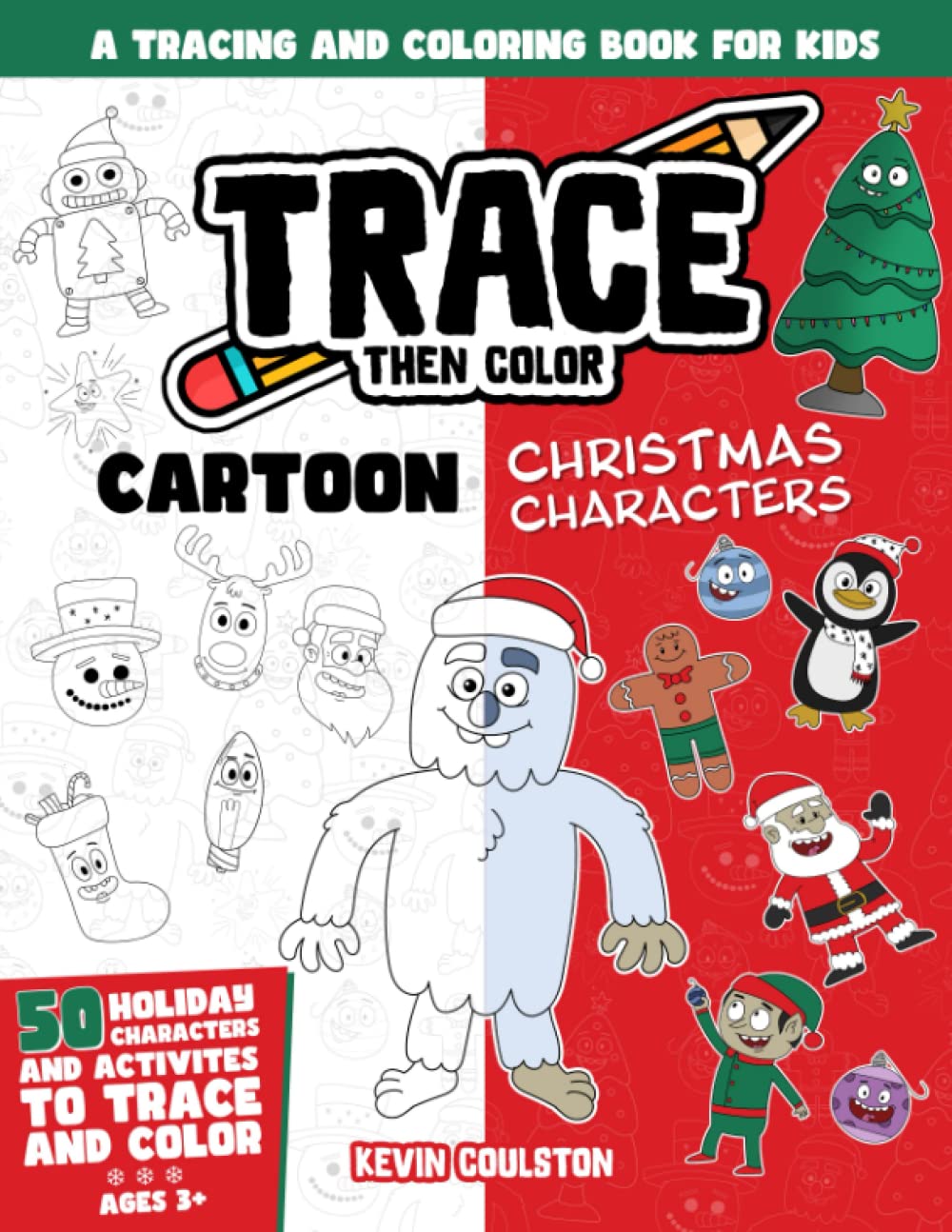
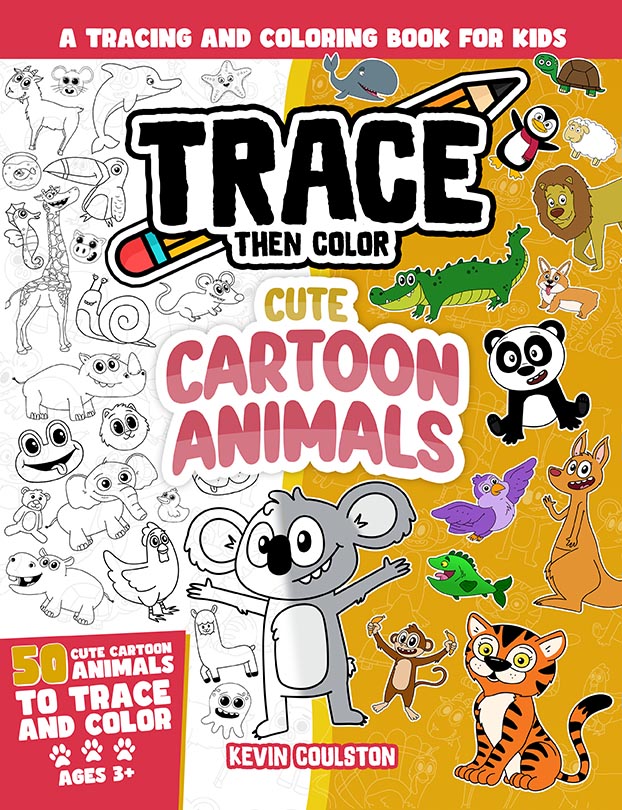
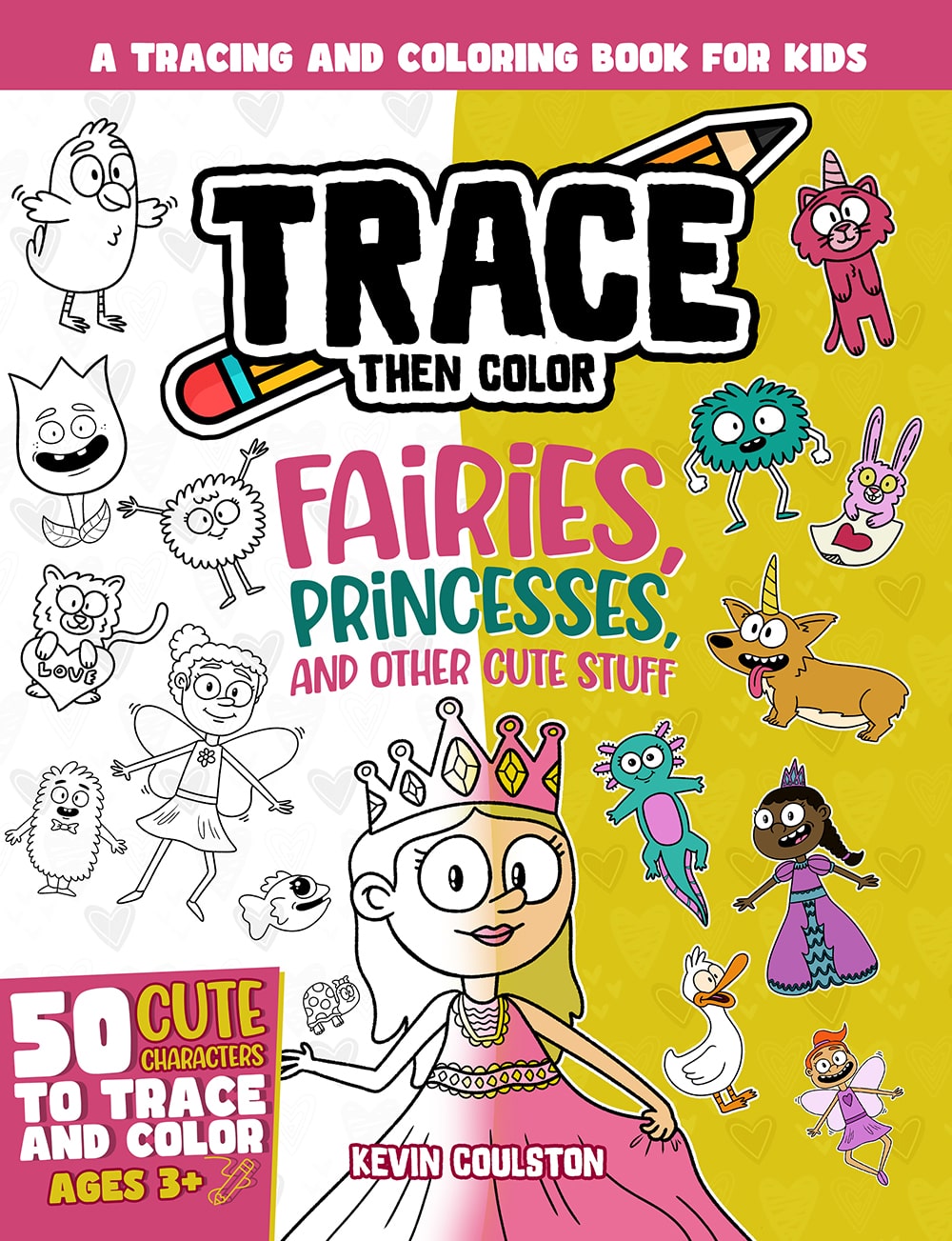
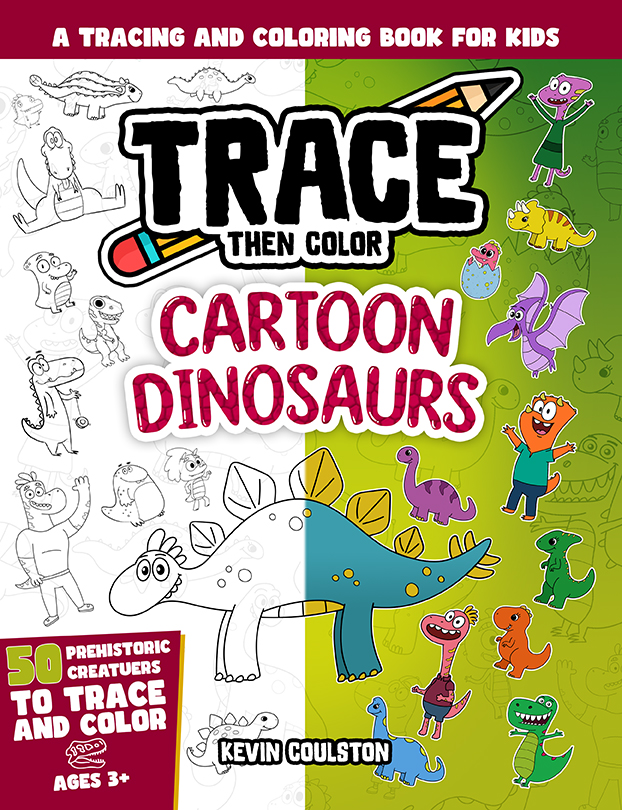
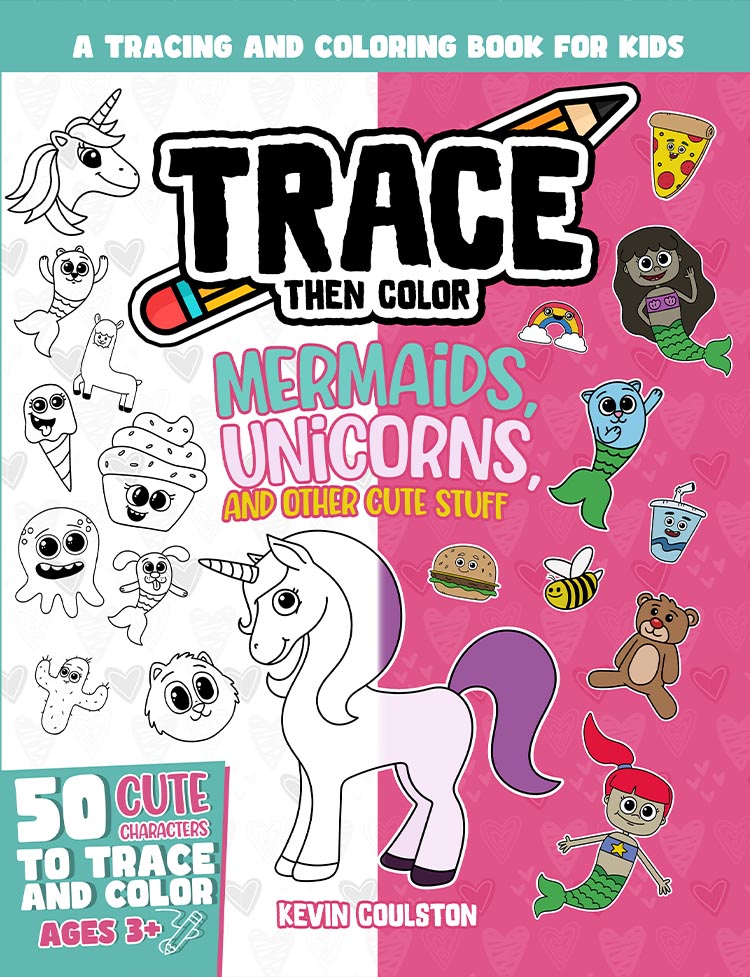
Cheerful, cute characters work best. Animals are almost always a hit: Trace Then Color: Cute Cartoon Animals. For sweet, magical cards, Trace Then Color: Fairies, Princesses and Other Cute Stuff is a good fit. At the holidays, festive characters from Trace Then Color: Cartoon Christmas Characters make wonderful cards for neighbors and care homes.
Build empathy
Before coloring, talk about the person who will receive the card:
- "What do you think would make Grandpa smile?"
- "What colors does Ms. Garcia like?"
- "How might Mr. Lee feel getting a card?"
Thinking about another person’s feelings is empathy practice.
Kindness projects
- Card a week. Pick one person each week.
- Kindness kit. Keep blank cards, coloring pages and envelopes ready.
- Class card drive. A classroom can make cards for a local care home or hospital.
- Holiday cards. Homemade colored cards instead of store-bought.
Mailing tips
- Use cardstock so cards survive the mail.
- Avoid loose glitter in envelopes.
- Write the address together for handwriting practice.
Questions parents ask
My child wants to keep their pictures. Should I insist on giving them away?
No. Kindness should feel good. Let them choose which pictures to give, or color two: one to keep, one to give.
Can toddlers make kindness cards?
Yes. Toddlers can scribble color, and you can add the message. They will still enjoy delivering it.
Are homemade cards appropriate for teachers?
Teachers often treasure handmade cards more than anything bought.

About Kevin Coulston
Kevin Coulston is a cartoonist and member of the National Cartoonists Society who has written and illustrated more than 100 drawing, tracing and coloring books for kids, including the Trace Then Color series. Meet Kevin or browse all his books on FirstArtBooks.com.