So much of a child’s world is instant. Videos start with a tap, games reward every few seconds, and snacks appear from a bag. Coloring is different. The page fills slowly, one stroke at a time, and the result only appears if you keep going.
That slowness is a feature. It gives kids low-pressure practice at patience, which is one of the hardest and most valuable skills they will ever learn.
What patience looks like at the coloring table
- Coloring a space fully instead of scribbling and moving on
- Waiting for a turn with the favorite crayon
- Going back to finish a page started yesterday
- Slowing down near the edges when they want to rush
- Accepting that a big space takes longer than a small one
None of these needs to be perfect. Every small moment counts.
Why kids find patience hard
The parts of the brain that manage impulses and planning are still developing through childhood. Young kids genuinely find it harder to wait than adults do. Patience grows through practice, modeling and lots of encouragement, not lectures.
Ways to build patience with coloring
Choose a page they care about
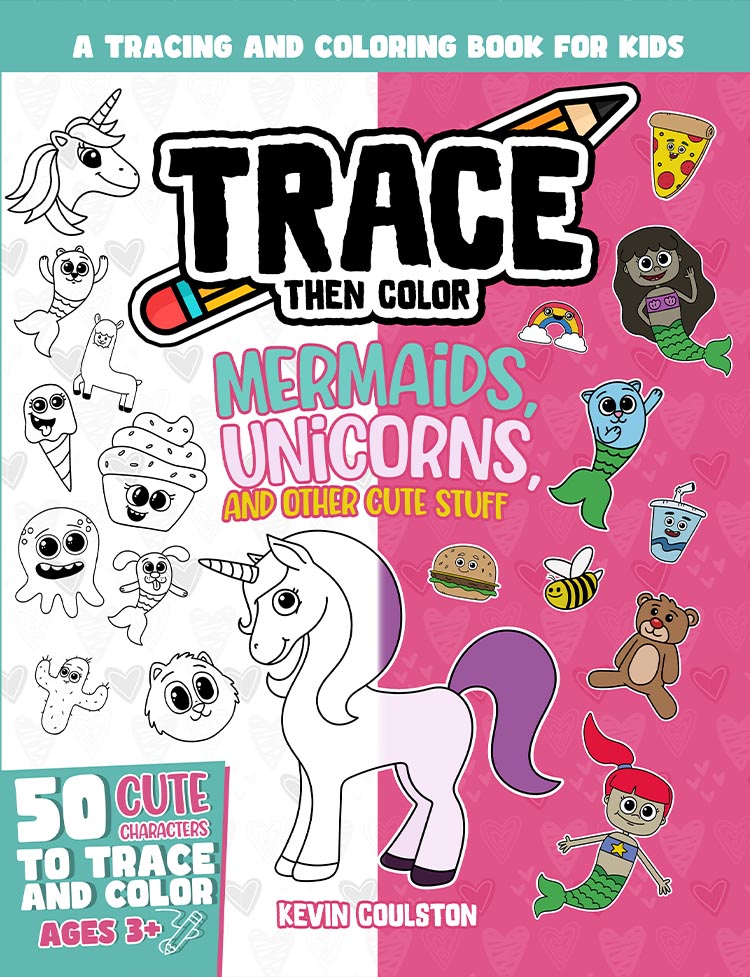
Patience is easier when the payoff matters. A child who loves unicorns will keep going on a unicorn far longer than on a random picture. Trace Then Color: Mermaids, Unicorns and Other Cute Stuff is full of characters kids want to see finished.
Break it into chunks
"First the mane, then the body, then the horn." Small steps make a long task feel possible.
Talk about the process
Notice the effort: "You took your time on those stripes." Praise for patience teaches kids that slowing down is valued. See how to praise your child’s coloring.
Make a two-day page
Choose a slightly bigger page and plan to finish it over two days. Waiting to finish builds delayed gratification.
Countdown projects
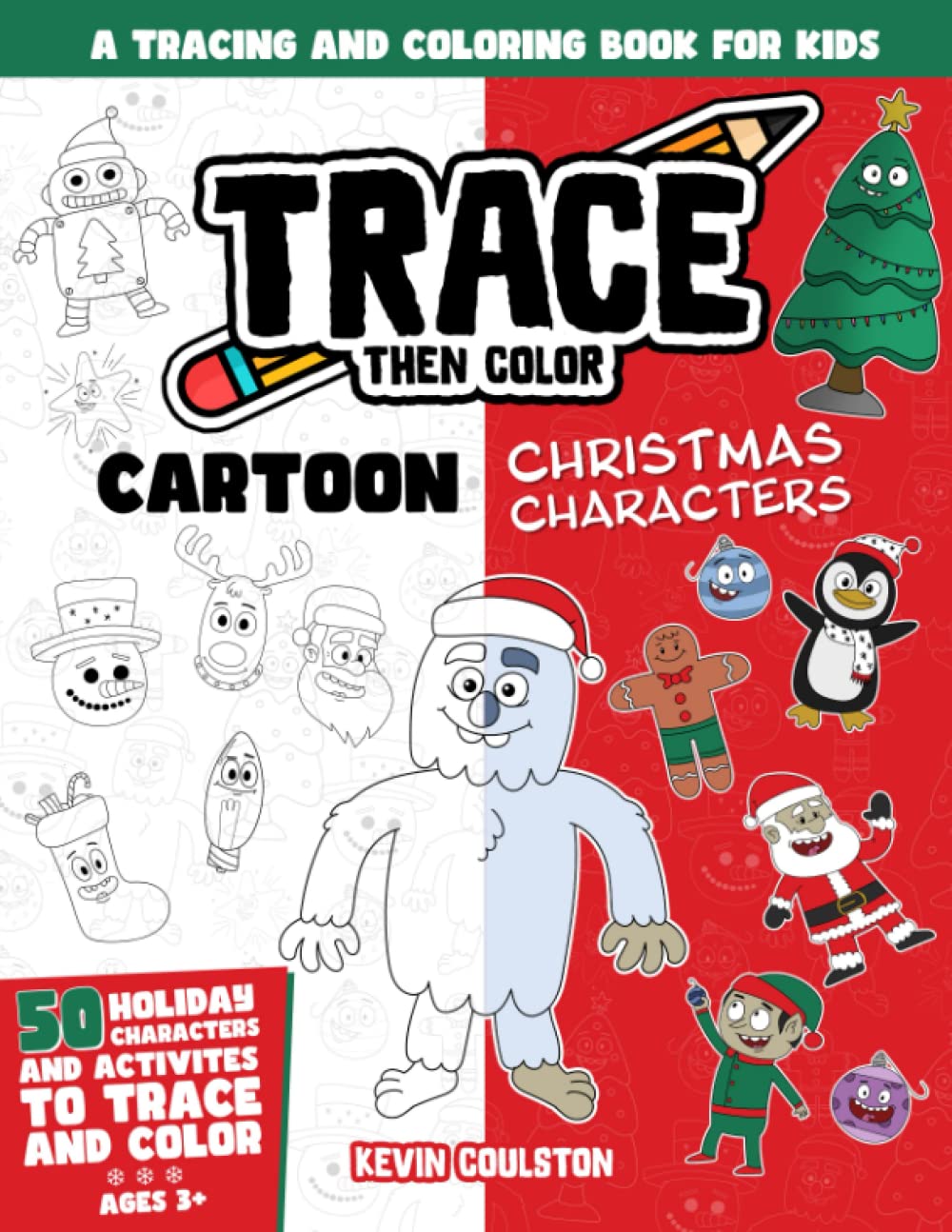
Seasonal countdowns are patience practice in disguise. Coloring one character a day until a holiday, as in a coloring advent calendar, uses Trace Then Color: Cartoon Christmas Characters beautifully.
Model it
Color next to your child and narrate your own patience: "This part is taking a while, but I want it to look nice."
When patience runs out
It will. When frustration rises, it is fine to stop. Say, "Let’s take a break and come back." Returning to the page later teaches a powerful lesson: you can pause without giving up.
Patience beyond the page
Kids who practice patience in a relaxed setting get small reps of the same skill they need when waiting in line, learning to read or saving up for a toy. Coloring will not do all the work, but it is a pleasant place to start.
Questions parents ask
My child rushes and scribbles everything. How can I slow them down?
Try a "slow-motion coloring" game, coloring as slowly as a snail, or pick a page with smaller spaces. Praise any careful moment you see.
Is it OK to leave pages unfinished?
Yes. Some kids like to start many pages. Encourage finishing sometimes, but do not insist every time.
What age can kids start learning patience?
From toddlerhood, in small doses. Expectations grow with age, and coloring sessions can lengthen gradually.

About Kevin Coulston
Kevin Coulston is a cartoonist and member of the National Cartoonists Society who has written and illustrated more than 100 drawing, tracing and coloring books for kids, including the Trace Then Color series. Meet Kevin or browse all his books on FirstArtBooks.com.