Somewhere between ages 3 and 5, most kids stop napping. Many parents miss that afternoon break, and kids still benefit from some downtime. Quiet time is the answer: a daily period, often 30 to 60 minutes, when kids rest or play calmly on their own.
Coloring is one of the best quiet time activities, because it is calm, independent and absorbing.
Why quiet time matters
- Kids who no longer nap still need rest.
- Downtime helps children process the day.
- Independent play builds self-reliance.
- Parents get a breather.
Building a quiet time routine
Same time every day
Right after lunch is common, when the nap used to be.
Same place
Their bedroom or a cozy corner. A small table or lap tray for coloring.
A clear time limit
Start with 15 to 20 minutes for 3-year-olds and work up. Use a toddler clock that changes color, or a visual timer.
Simple rules
Stay in your room, play quietly, and come out when the clock turns green.
The quiet time box
A special box that only comes out at quiet time feels exciting. Fill it with:
- A coloring book or a folder of pages
- Crayons and colored pencils (skip markers if unsupervised)
- Stickers
- A few picture books
- A small puzzle
Rotate the contents weekly so it stays fresh.
Coloring ideas for quiet time
One book at a time
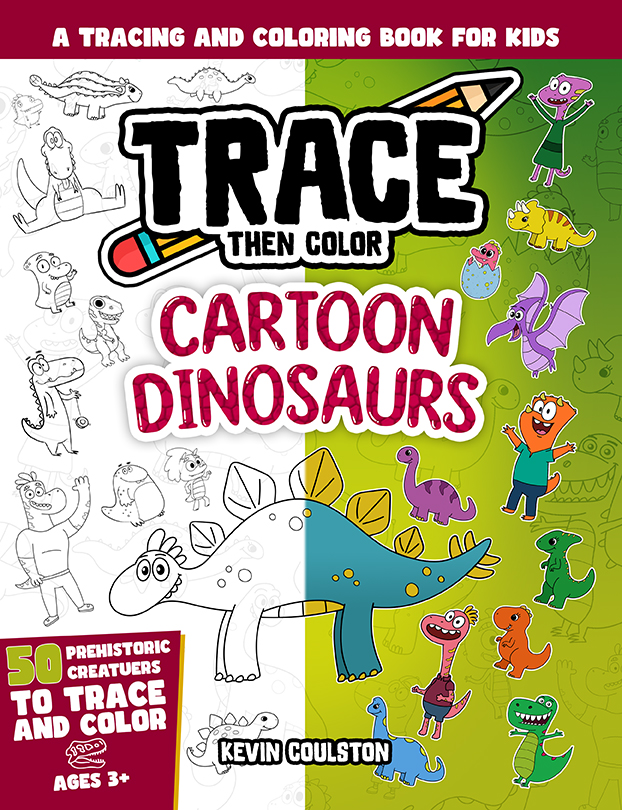
Choose a book with lots of pages on one theme your child loves. Dinosaur fans can work through Trace Then Color: Cartoon Dinosaurs over a couple of weeks. Fans of all things cute and magical might choose Trace Then Color: Mermaids, Unicorns and Other Cute Stuff.
Coloring plus puzzles
Older preschoolers might enjoy a mix: coloring, mazes and simple puzzles. The Mermaids, Unicorns and Other Cute Stuff Coloring and Activity Book includes all three.
A picture a day
Pick one page each quiet time and add it to a wall gallery.
Making it independent
The goal is for kids to color on their own. Help with this by:
- Choosing pages they can manage alone
- Keeping supplies easy to open
- Avoiding messy supplies that need supervision
- Practicing together for the first few days, then stepping back
When kids resist
Some children push back at first. Keep it consistent and positive. Start short and lengthen gradually. Make the quiet time box feel like a treat. Within a week or two, most kids settle into it.
Questions parents ask
How long should quiet time be?
Many families aim for 30 to 60 minutes, built up gradually from 15 minutes.
Can my child fall asleep during quiet time?
Yes. If they fall asleep, they probably needed it.
Is quiet time OK for kids who still nap sometimes?
Yes. Quiet time can be a nap on some days and coloring on others.

About Kevin Coulston
Kevin Coulston is a cartoonist and member of the National Cartoonists Society who has written and illustrated more than 100 drawing, tracing and coloring books for kids, including the Trace Then Color series. Meet Kevin or browse all his books on FirstArtBooks.com.