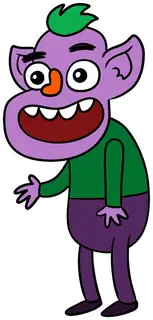
Some people argue that coloring is not really creative because the picture is already there. It is a fair question. But watch a child color and you will see them inventing all the time: a green sun, a cat with polka dots, a monster with a rainbow tongue.
Coloring is creative in the same way a musician playing someone else’s song is creative. The structure is given; the interpretation is theirs.
Where creativity shows up in coloring
- Color choices that are surprising or personal
- Patterns like stripes, dots, zigzags and checks
- Texture such as fur strokes, scribbly grass or dotted sand
- Backgrounds that set a scene
- Added details like hats, speech bubbles or extra friends
- Stories about who the character is and what they are doing
10 ways to make coloring more creative
- Opposite colors. Color everything the opposite of real life: blue grass, orange sky, purple dog.
- One-color challenge. Use only shades of one color. It forces creative thinking about light and dark.
- Pattern party. Every space must have a different pattern. See patterns make pages pop.
- Add a background. Where does this character live? Draw it in. See don’t forget the background.
- Give them a name. Write a name and one fact under the character.
- Add a speech bubble. What are they saying?
- Accessorize. Add a hat, glasses, a cape or a skateboard.
- Mash-up. Cut out two colored characters and glue them into one scene.
- Mood colors. Color the same character twice: once happy, once grumpy. Which colors show each mood?
- Mystery character. Color with your eyes half closed, then turn the result into something new.
Choose pages that invite invention
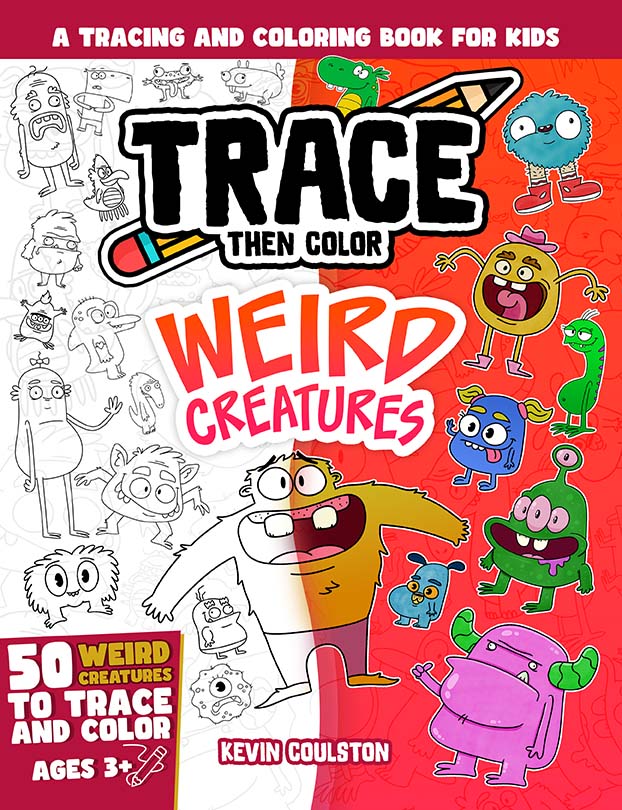
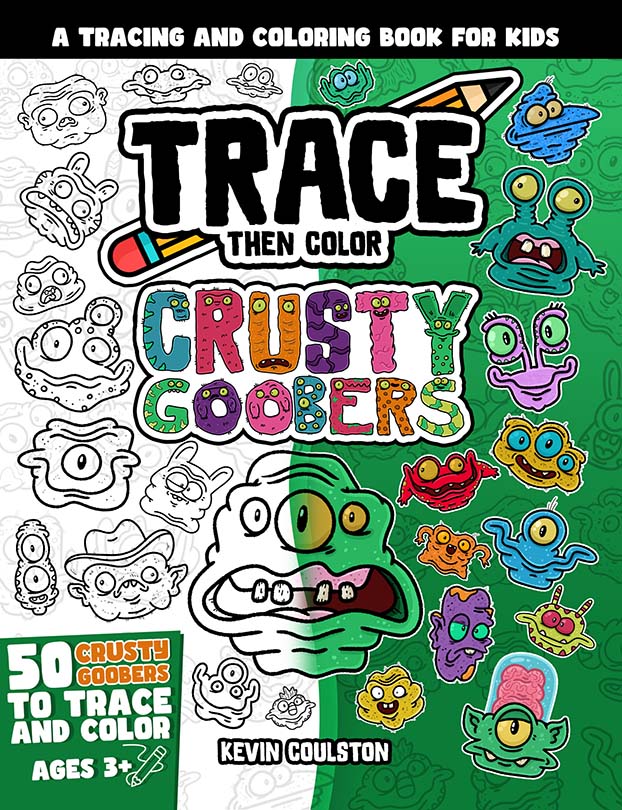
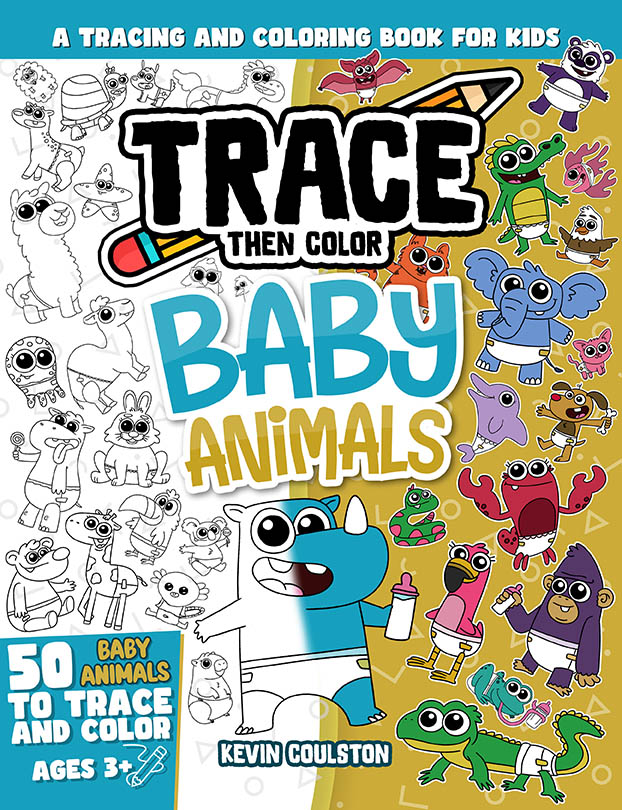
Some characters are almost begging for creative coloring. Real animals come with expectations, but invented creatures do not. Trace Then Color: Weird Creatures is full of odd beings that can be any color at all. Trace Then Color: Crusty Goobers goes even further with gross, goofy characters kids love to decorate. More on those in why kids love gross and goofy characters.
Coloring as a step toward drawing
Many kids start adding details to coloring pages and gradually find themselves drawing. That is a natural progression. Once a child is adding hats and backgrounds, they are only a short step from drawing their own characters. Our sister site, BestDrawingBooks.com, has step-by-step drawing books for when they are ready.
What adults can do
- Do not correct color choices. A pink tiger is a creative decision, not a mistake.
- Ask open questions. "Tell me about your monster" invites a story; "What is that?" can feel like a test.
- Leave space. Sometimes the most creative thing is to let a child color in silence and see what happens.
- Try it yourself. Color something unusual next to them. Kids notice when adults take creative risks.
The research angle
Creativity is hard to measure, and there is not much research on coloring and creativity specifically. Researchers generally agree that creative thinking is supported by open-ended play, choice and freedom from judgment. Coloring can offer all three when adults step back and let kids make it their own.
Questions parents ask
Is free drawing better than coloring for creativity?
Both are valuable. Free drawing builds invention from scratch; coloring builds interpretation and design. Many kids feel more confident starting with coloring.
My child only uses realistic colors. Should I push them to be creative?
No pushing needed. Realistic coloring takes careful observation, which is a skill too. Offer a "silly color" game now and then for variety.
Are color-by-number pages creative?
Less so, because the colors are chosen for the child. They are good for following directions; balance them with free coloring.
About Kevin Coulston
Kevin Coulston is a cartoonist and member of the National Cartoonists Society who has written and illustrated more than 100 drawing, tracing and coloring books for kids, including the Trace Then Color series. Meet Kevin or browse all his books on FirstArtBooks.com.