Children do not get to make many real decisions. Adults decide bedtime, dinner, where to go and what to wear on school days. A coloring page is one of the rare places where a child is fully in charge.
Which color for the elephant? Spots or stripes? Start with the ears or the trunk? Each choice is small, but together they add up to real practice in deciding.
Why low-stakes choices matter
Decision-making is a skill, and skills need practice. But practicing on big decisions is stressful. Coloring is perfect because every choice is reversible in spirit. A blue lion is not wrong; it is a blue lion. Kids learn that choosing is safe, and that it is fun to see what happens.
The decisions inside a single page
- Color choice. The obvious one, repeated for every space.
- Order. Big spaces first, or small details?
- Style. Solid color, patterns, shading or a mix?
- Realism. Real-life colors or imagination colors?
- Background. Leave it white, color it or add a scene?
- When it is finished. Deciding "I’m done" is a decision too.
Helping an indecisive child
Some kids freeze in front of a full box of 64 crayons. Too many options can be overwhelming, for adults as well as children.
Offer fewer choices
Put out four or five crayons, not the whole box. Limited choices make deciding easier and often lead to more creative results.
Ask either-or questions
"Do you want the unicorn’s mane rainbow or all one color?" Two options are easier than infinite ones.
Use characters with no right answer
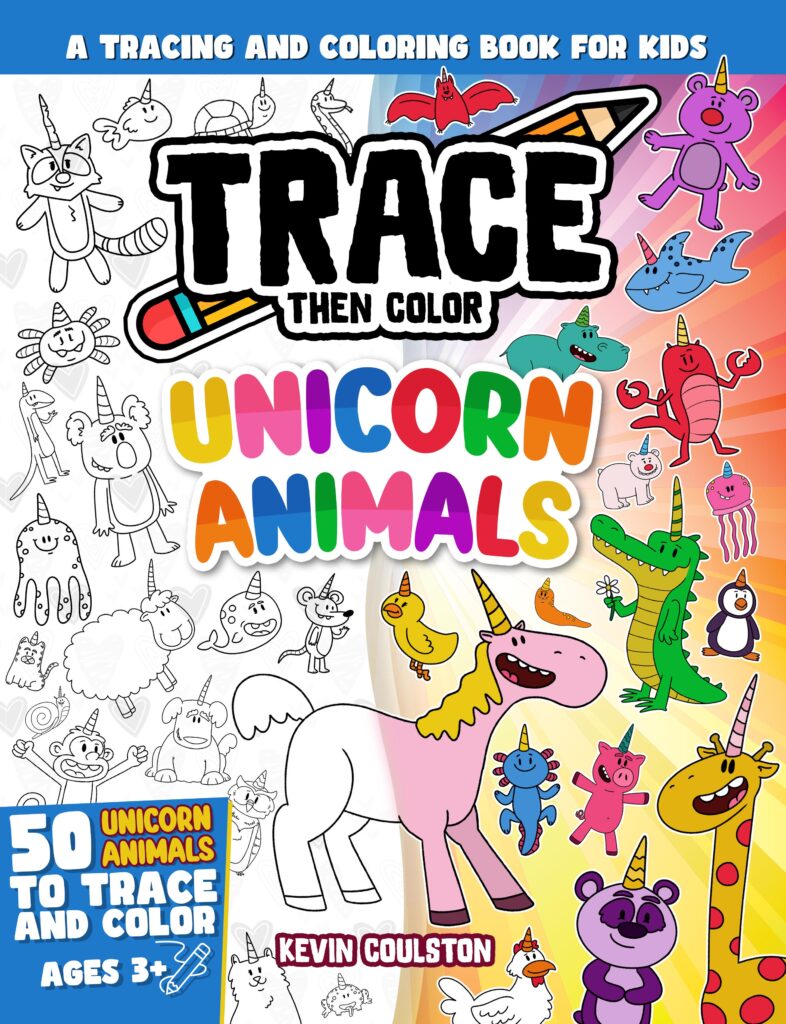
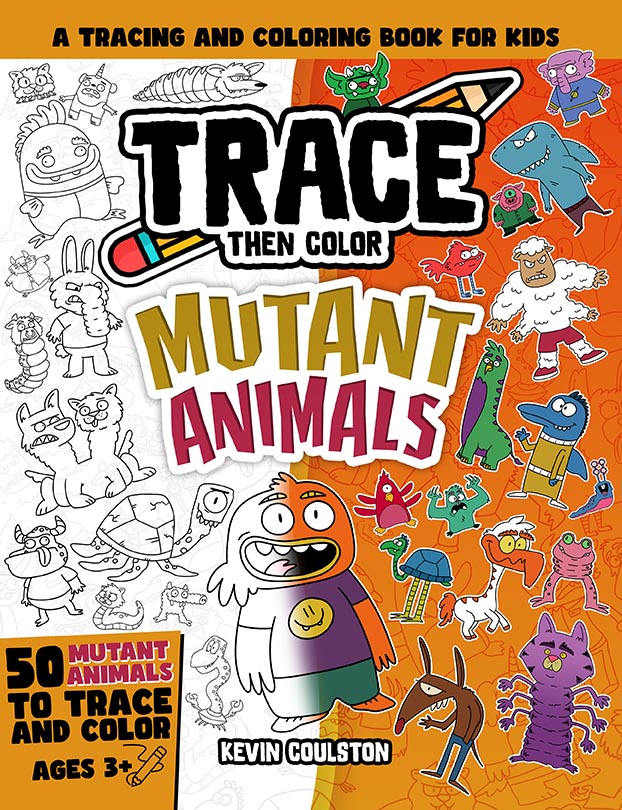
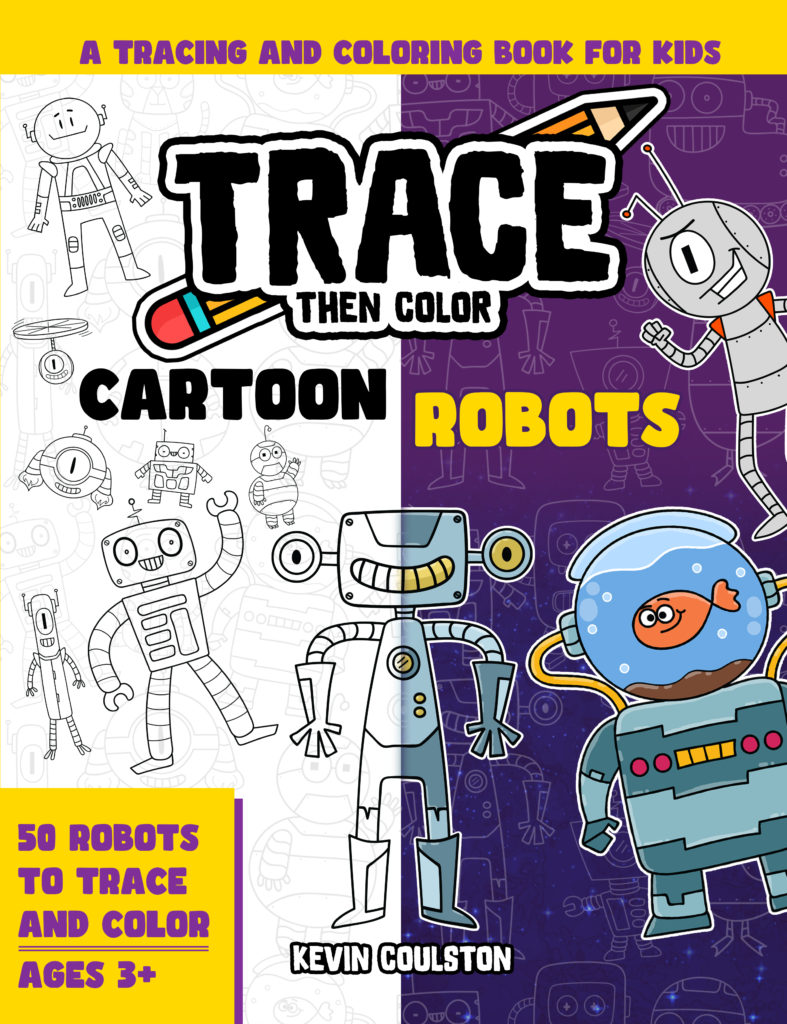
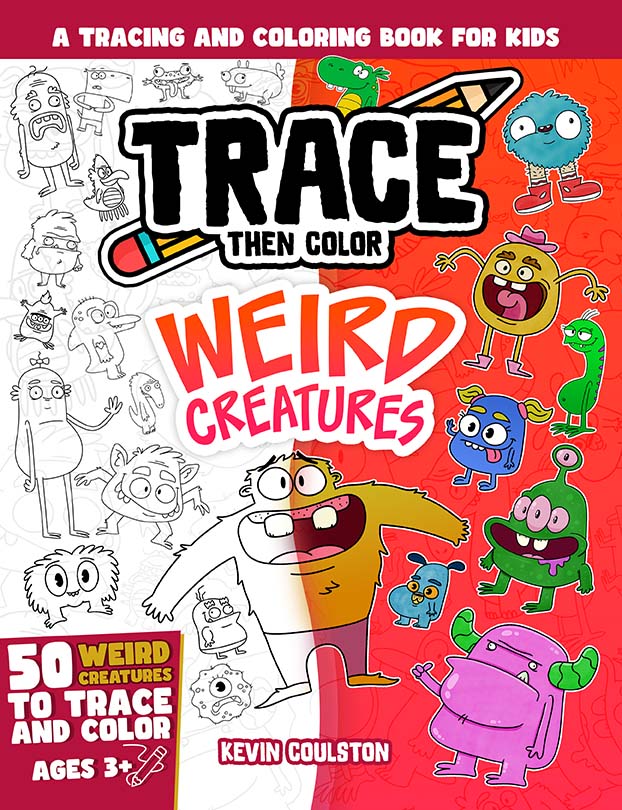
Imaginary characters remove the pressure to "get it right." In Trace Then Color: Unicorn Animals, there is no correct color for a unicorn hippo. In Trace Then Color: Mutant Animals, half-animal mash-ups invite any combination at all.
Roll for it
Make a color die by writing color names on a paper cube, or number crayons and roll a regular die. Letting chance decide takes the pressure off and often surprises kids into trying new combinations.
Model your own thinking
"Hmm, I’m thinking about green for the tail because it will look nice next to the yellow." Hearing an adult reason out loud teaches kids how decisions are made.
Helping a quick decider
Some kids grab the nearest crayon and go. That is fine too, but you can stretch their thinking with gentle questions:
- "Why did you pick red?"
- "What would happen if the stripes were a different color?"
- "Can you make a plan for the next page?"
From coloring to everyday life
Children who have lots of practice making small choices often find it easier to decide which book to borrow, which game to play or how to solve a problem with a friend. Coloring is not a magic bridge to all of that, but it is a regular, relaxed chance to build the habit. If you want to go further, our post on executive function covers planning and flexible thinking.
Questions parents ask
Should I ever tell my child which colors to use?
Occasionally, for a game or a learning activity like color-by-number. But most of the time, let them choose. That is where the decision-making practice happens.
My child always uses the same color. Is that a problem?
Not at all. Many kids go through phases of loving one color. Offer variety without insisting, and try a "new color challenge" now and then.
Do coloring apps offer the same benefit?
Apps include choices too, but real crayons add the physical commitment of a stroke, which makes each choice feel more real.

About Kevin Coulston
Kevin Coulston is a cartoonist and member of the National Cartoonists Society who has written and illustrated more than 100 drawing, tracing and coloring books for kids, including the Trace Then Color series. Meet Kevin or browse all his books on FirstArtBooks.com.