When kids color people, they often reach for the "peach" crayon by habit. Helping kids find and mix skin tones lets them color people who look like them and everyone around them.
Why it matters
- Children notice skin color from a young age.
- Seeing themselves in art builds belonging and confidence.
- Coloring a range of people builds respect for differences.
Skin tone supplies
Many brands sell skin tone crayons, colored pencils and markers with a wide range of shades. They’re worth having in every classroom and home.
Mixing skin tones
If you don’t have skin tone sets, kids can layer:
- Light skin: peach or light pink, with a little yellow or tan
- Medium skin: tan, light brown and a touch of orange or red
- Deep skin: brown, dark brown and a touch of red, purple or orange
Start with light pressure and build up. See blending colors for kids.
Matching skin tones
- Hold a crayon next to your hand and compare
- Test on scrap paper
- Mix until it looks right
Hair
Color straight, wavy, curly and coily hair with strokes that follow the texture: long strokes for straight hair, loops for curls, small spirals for coils.
Pages to try
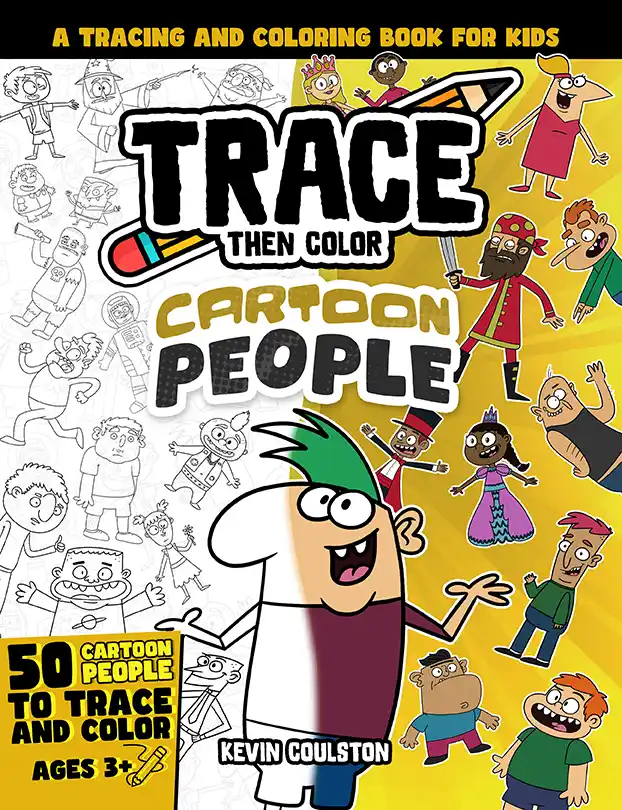
- Trace Then Color: Cartoon People has people of all kinds to color as family and friends
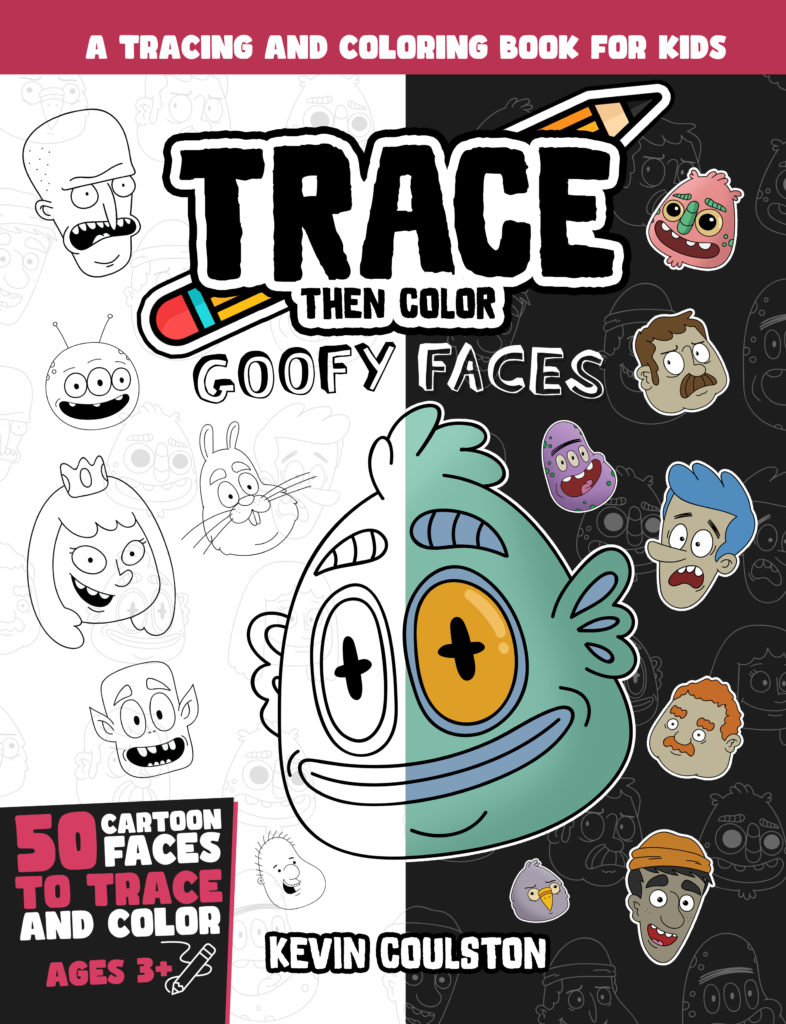
- Trace Then Color: Goofy Faces for funny faces in any skin tone
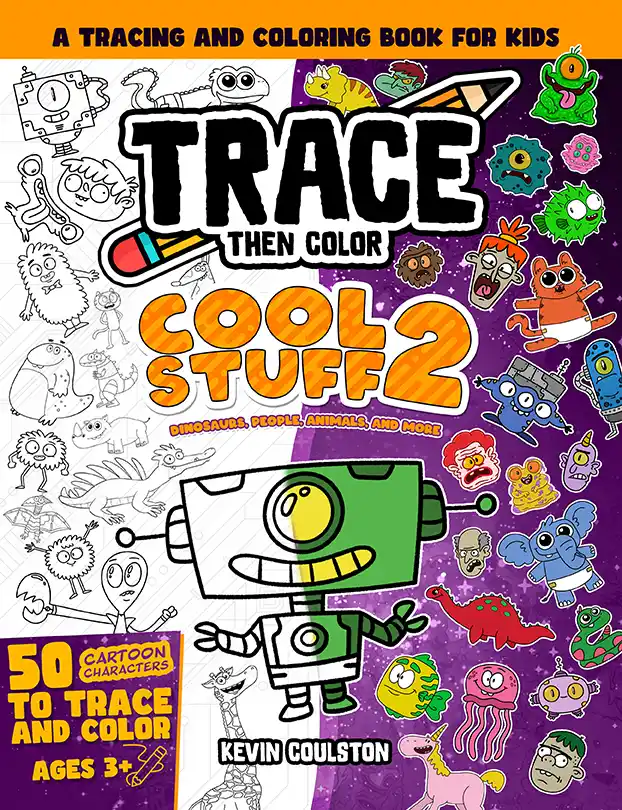
- Trace Then Color: Cool Stuff 2 includes people among dinosaurs and animals
See coloring as a home-school connection for "my family" projects.
Make a skin tone chart: everyone in the class or family finds their color and labels it with their name.
Questions parents ask
At what age do kids notice skin color?
Research suggests babies and toddlers notice differences very early. Talking openly helps.
Should every person be colored realistically?
No. Fantasy colors are fine too. The goal is having the option.
What if my child only uses one skin color?
Offer more choices and model using them. Talk about the people in your child’s life.
About Kevin Coulston
Kevin Coulston is a cartoonist and member of the National Cartoonists Society who has written and illustrated more than 100 drawing, tracing and coloring books for kids, including the Trace Then Color series. Meet Kevin or browse all his books on FirstArtBooks.com.